
A modern city can look impressive from above.
Tall buildings, busy roads, shopping centers, public parks, and crowded neighborhoods create the image of a place that never stops moving.
Beneath the visible activity of urban life lies a network of essential systems that often goes unnoticed.
Electricity travels through networks beneath streets and across entire regions. Water passes through treatment facilities before reaching homes and businesses. Wastewater moves through underground pipes, while transportation systems carry thousands of people across the city every day.
These services depend on technologies that most residents rarely think about until something goes wrong.
A power failure can interrupt businesses, hospitals, and public transportation.
A damaged water system can affect entire neighborhoods.
Poor drainage can turn heavy rainfall into dangerous flooding.
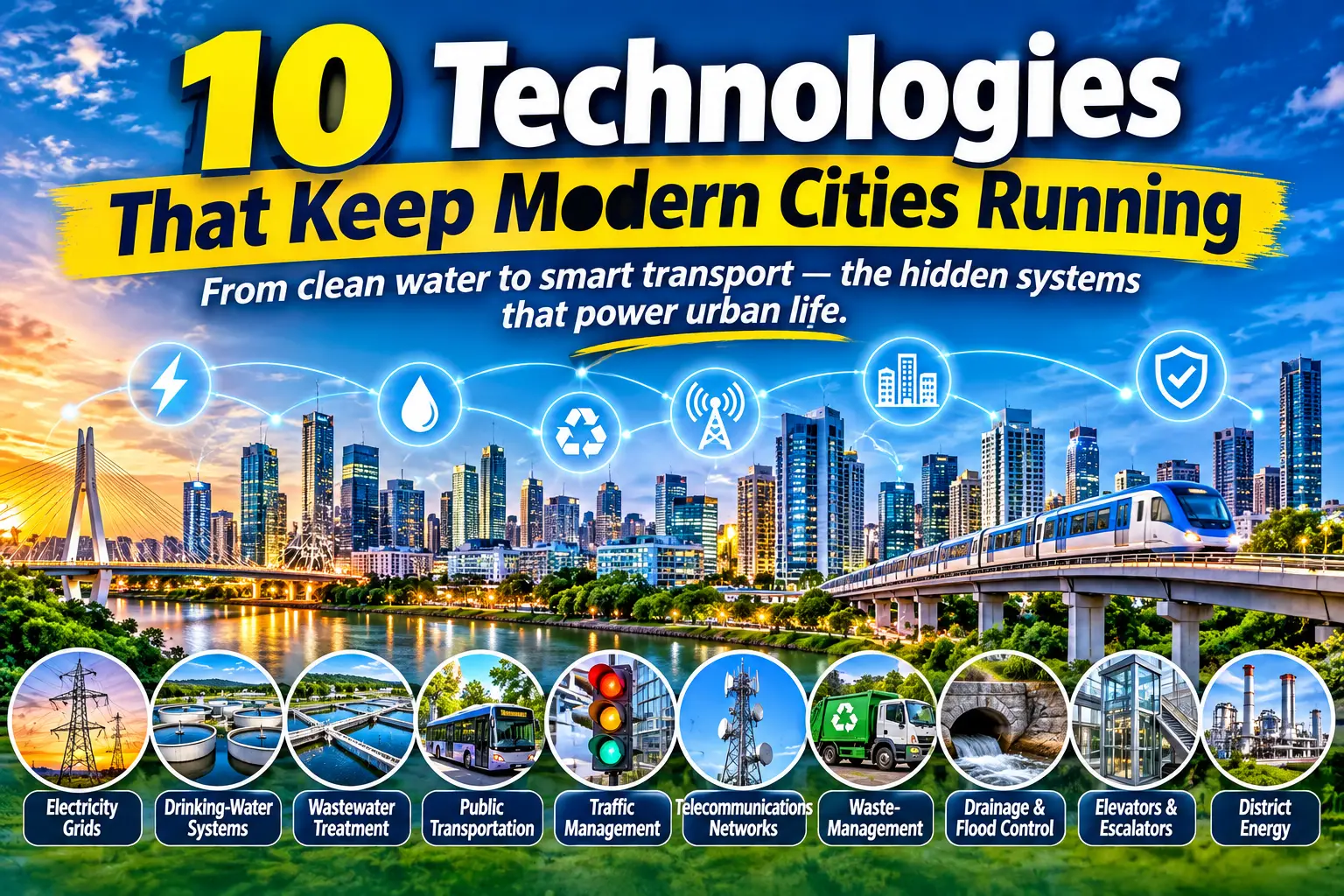
The following ten technologies and infrastructure systems help keep modern cities operating. Their designs vary according to local needs, but they all help cities deliver essential services to residents.
1. Electricity Grids
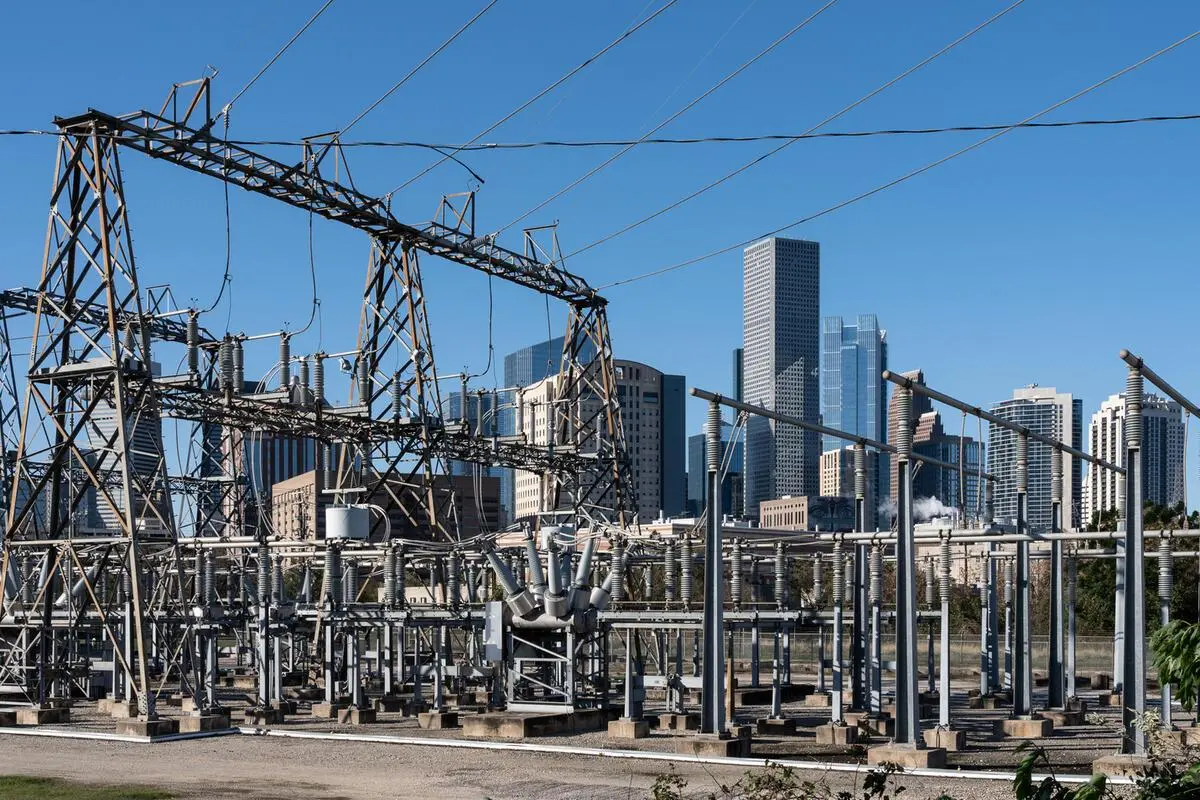
Electricity grids are among the most important systems supporting modern urban life. They connect power plants, renewable energy facilities, substations, and buildings through networks that distribute electricity wherever it is needed.
These networks support homes, offices, hospitals, factories, streetlights, communication systems, and public transportation.
A modern electricity grid does more than carry power from one location to another. Monitoring equipment, automated controls, and digital systems help operators manage electricity demand, detect problems, and respond to disruptions.
Some cities are making their electricity networks smarter by connecting solar panels, battery storage, and other power sources.
However, growing demand creates new challenges. Electric vehicles, air conditioning, industrial facilities, and data centers all place additional pressure on existing networks. Modernizing electricity grids is therefore an important part of preparing cities for future energy needs.
Without reliable electricity networks, many of the services that define modern cities would struggle to operate.
2. Drinking-Water Treatment and Distribution Systems
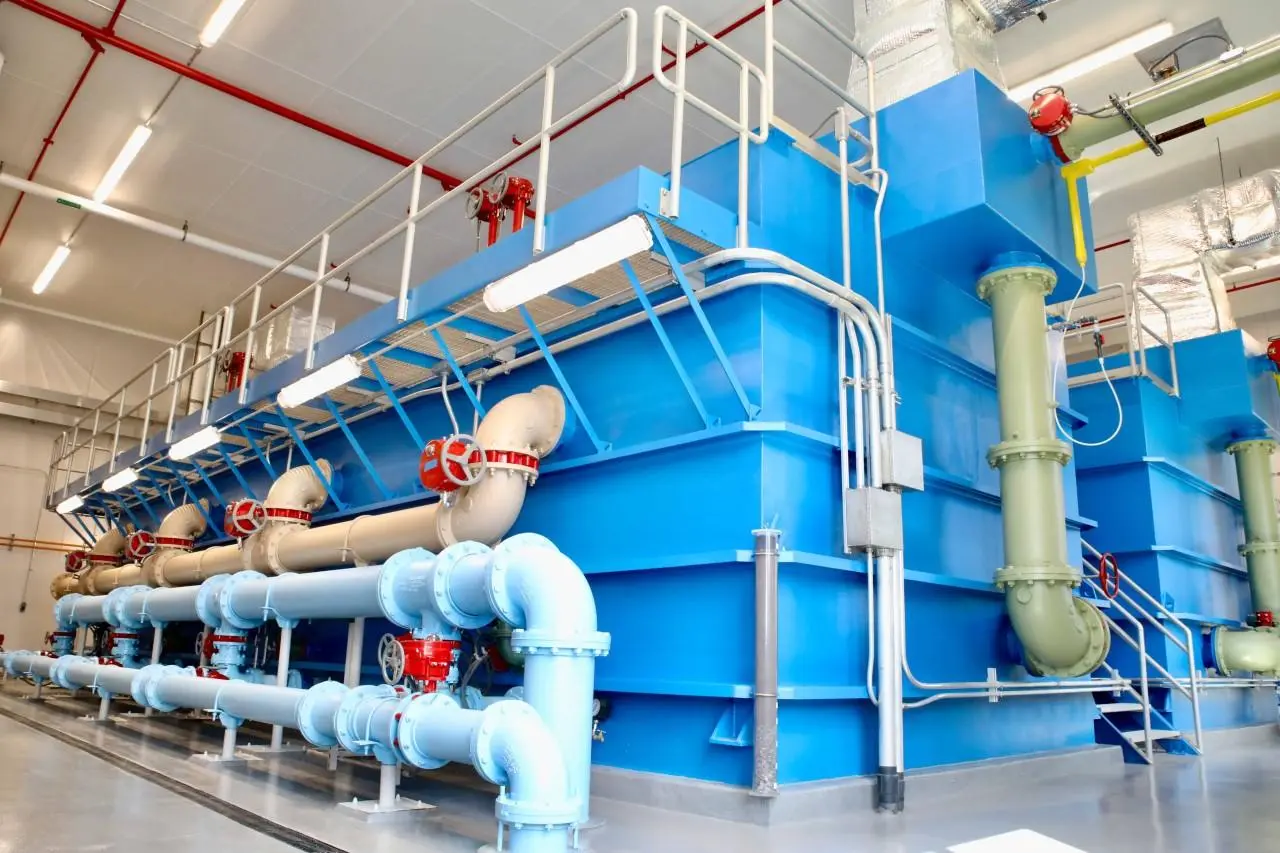
A city needs a dependable supply of clean water for drinking, cooking, cleaning, sanitation, hospitals, and businesses.
Water treatment systems make this possible by processing water from rivers, lakes, reservoirs, groundwater sources, or other supplies before distributing it to consumers.
Depending on the source and local conditions, treatment can involve several stages, including screening, filtration, sedimentation, and disinfection.
After treatment, pumps, storage facilities, and underground pipelines carry water across neighborhoods. Pressure-management systems help maintain a reliable supply, including in buildings located far from treatment plants or at higher elevations.
The technology does not end at the treatment facility. Monitoring water quality throughout the distribution network is also important because contamination can occur after treatment.
Effective water infrastructure makes treated water accessible through organized distribution networks, removing the need for households to manage the entire process themselves.
3. Wastewater Treatment Systems
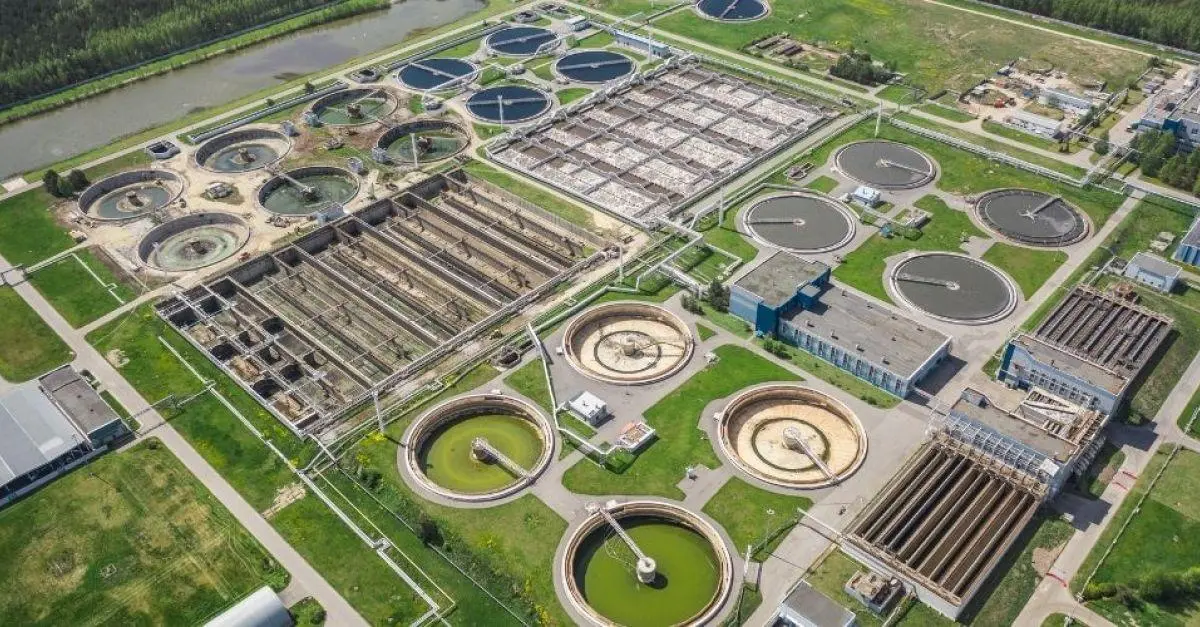
Every day, homes, restaurants, hospitals, factories, and commercial buildings produce wastewater.
Without proper collection and treatment, this water can carry harmful microorganisms, chemicals, and other pollutants into rivers, lakes, and coastal environments.
Wastewater treatment systems help prevent this by collecting used water through sewer networks and processing it at treatment facilities.
When these systems operate effectively, residents receive treated water through established distribution networks rather than having to collect and treat it themselves.
After treatment, facilities can safely discharge the water when it meets applicable requirements. Some facilities also recover and reuse treated wastewater for applications such as irrigation and industrial operations.
These systems are especially important in densely populated areas, where large volumes of wastewater are generated and must be treated daily.
Wastewater treatment is not always visible to residents, but it plays a major role in protecting public health and the environment.
4. Public Transportation Systems
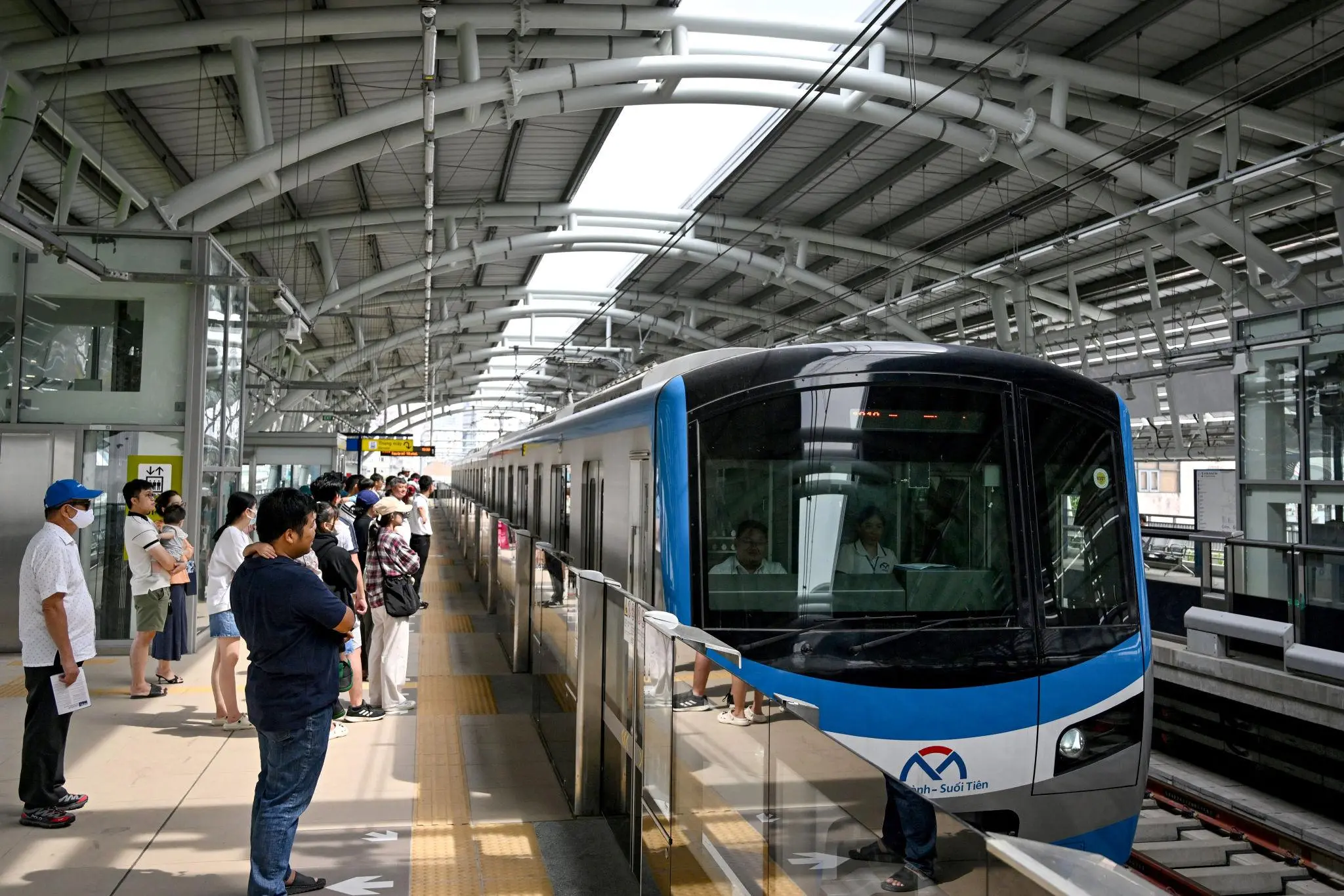
Public transportation plays a central role in urban mobility by moving large numbers of passengers while reducing dependence on private vehicles.
Modern public transportation networks may include underground railways, elevated trains, buses, bus rapid transit systems, trams, and other shared transport services.
Public transportation depends on a range of supporting technologies. Rail signaling systems regulate train movements and maintain safe operations, while automated fare collection systems process payments through contactless cards, mobile devices, and other methods.
Control centers monitor vehicle locations, service conditions, and passenger demand. Some systems also use real-time information to help passengers plan journeys and identify delays.
By connecting different levels of multi-story structures, these systems facilitate the movement of people and materials across residential, commercial, medical, and transportation facilities.
Building an effective public transportation network involves more than investing in vehicles and infrastructure. Its performance depends on coordinated route planning, service frequency, fare affordability, accessibility, and integration across transport modes.
Public transportation is therefore both a technological system and an essential part of urban planning.
5. Traffic-Management Systems
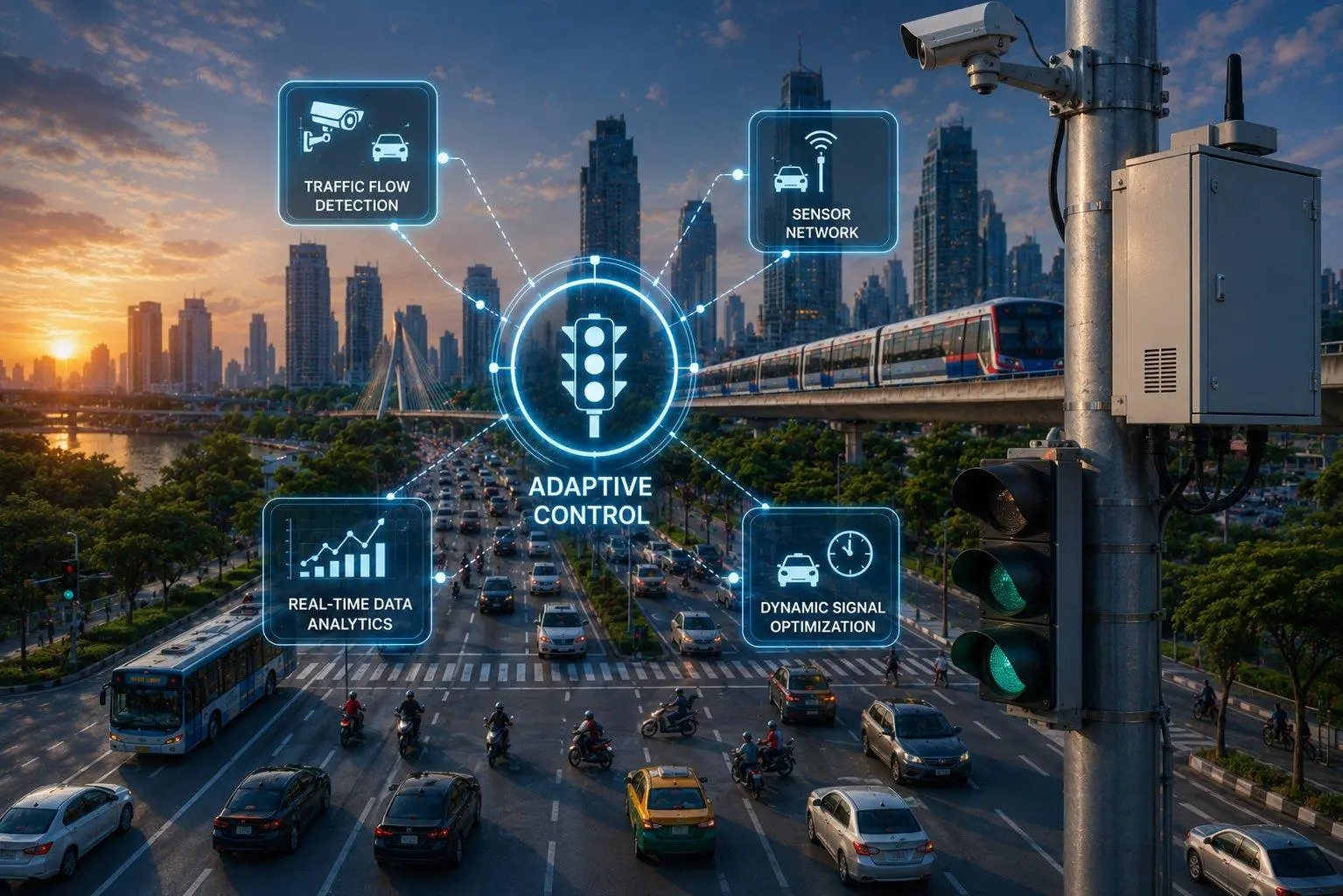
Busy intersections require careful coordination to keep vehicles, cyclists, and pedestrians moving safely.
Traditional traffic signals operate according to programmed schedules. More advanced traffic-management systems can use cameras, road sensors, and computer software to monitor traffic conditions and adjust signal timing.
These systems help traffic authorities identify congestion, respond to accidents, and coordinate traffic across multiple intersections.
Some cities also use connected transportation technologies to provide real-time information about road conditions, public transportation, and travel times.
However, technology alone cannot eliminate traffic congestion. Road design, public transportation, land use, and travel behavior also influence how efficiently people move around a city.
Cities are also rethinking how transportation, public spaces, and infrastructure can work together to create more efficient and livable urban environments. See 10 Cities That Are Redesigning Urban Life for the Future for examples of how urban planning is changing.
The main value of traffic-management systems is their ability to help authorities understand changing road conditions and manage transportation more effectively.
6. Telecommunications Networks
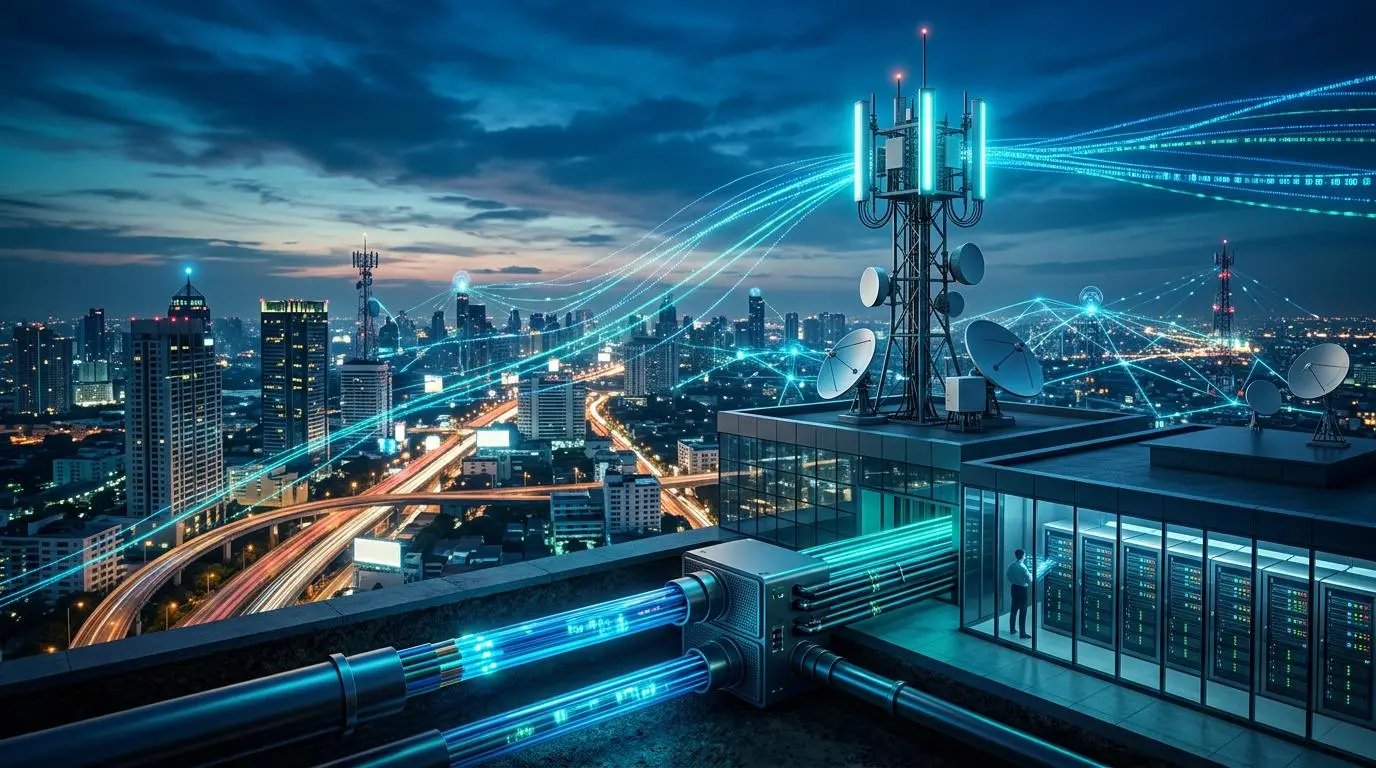
Modern cities rely on the continuous exchange of information to coordinate their daily operations.
Telecommunications networks connect people, businesses, public institutions, and essential services through fiber-optic cables, mobile networks, internet infrastructure, and wireless communication systems.
These networks support everyday activities such as online banking, business operations, video calls, digital payments, and access to public information.
They also support services that are less visible to residents. Hospitals use digital networks to exchange information, transportation authorities communicate with operating systems, and emergency services depend on reliable communication channels.
As cities become more connected, telecommunications infrastructure also supports smart meters, environmental sensors, and other devices that collect information about urban conditions.
A telecommunications failure can therefore affect far more than internet access. It can interrupt services that depend on continuous communication and data exchange.
7. Waste-Management Systems
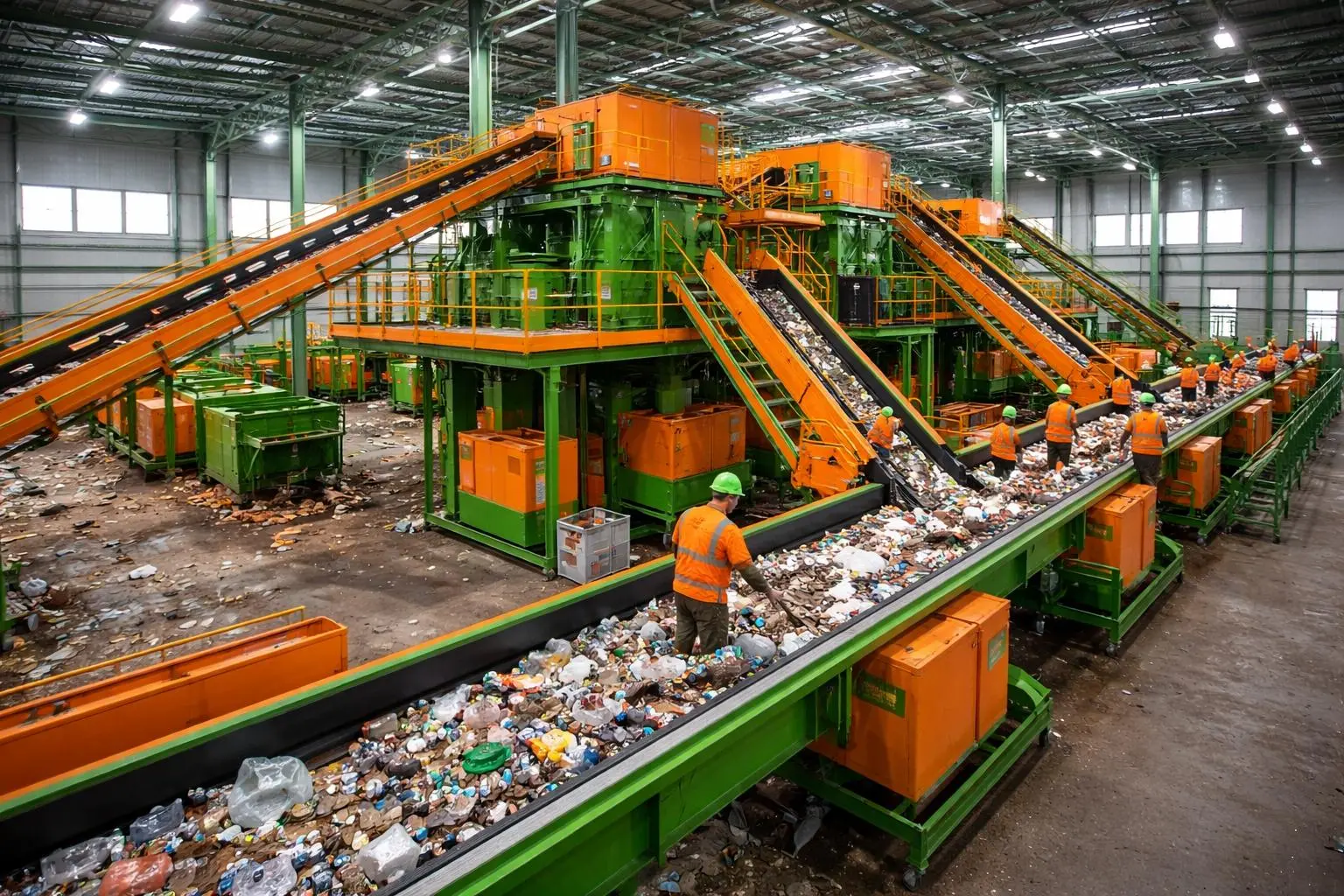
Large cities produce enormous amounts of household, commercial, and industrial waste.
Information constantly moves between the systems and services that keep modern cities running.
Modern waste-management facilities use mechanical equipment, conveyor belts, sorting technologies, and specialized vehicles to handle different types of waste.
Some facilities separate recyclable materials such as metals, paper, glass, and certain plastics. Others process organic waste through composting or other treatment methods.
Digital tools can also help local authorities monitor collection routes, manage waste containers, and improve service planning.
The challenge is not simply removing rubbish from streets. Cities must also reduce the amount of waste sent to disposal sites, protect the environment, and ensure that collection services reach different neighborhoods.
When waste-management systems are poorly maintained, the effects can extend beyond unpleasant streets to blocked drainage, environmental pollution, and public health problems.
8. Stormwater Drainage and Flood-Control Systems
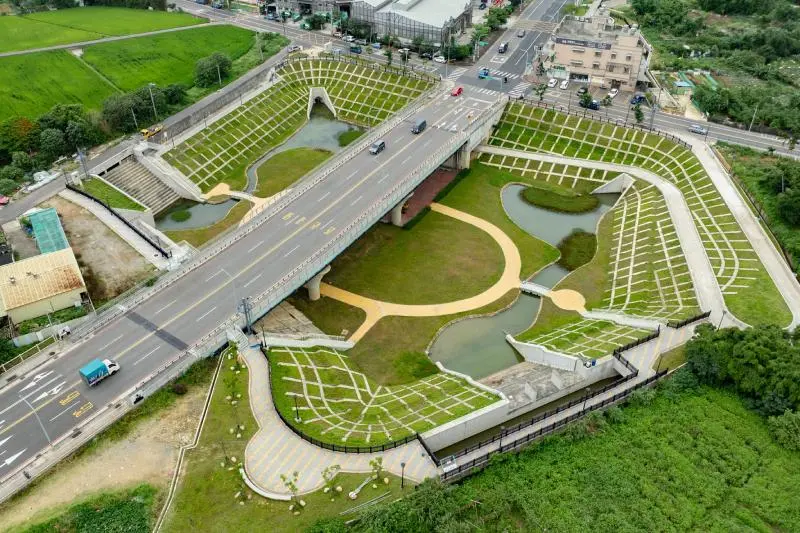
Heavy rainfall can quickly overwhelm a city that lacks effective drainage infrastructure.
Roads, rooftops, and paved surfaces prevent much of the rainwater from soaking naturally into the ground. Instead, water flows across streets and other surfaces, sometimes accumulating faster than drainage networks can carry it away.
Stormwater systems manage this runoff through drains, underground pipes, culverts, channels, retention basins, and pumping stations.
Some cities also use green infrastructure, including rain gardens, wetlands, permeable surfaces, and restored waterways. These approaches help absorb rainwater, store excess runoff, or slow its movement across the landscape.
Urban waterfront improvements also demonstrate how cities can rethink their relationship with rivers and coastal areas. Read 10 Cities That Have Transformed Their Waterfronts to see how urban waterfronts are being redesigned for public use and environmental improvement.
Flood-control systems are particularly important in coastal cities, low-lying neighborhoods, and places exposed to intense rainfall.
However, drainage infrastructure has limits. Poor maintenance, blocked drains, rapid urban development, and rainfall beyond the system’s design capacity can still cause flooding.
Cities that combine engineered drainage with natural water-management features can better handle heavy rainfall.
For another look at how urban waterways can contribute to healthier cities, read How Cities Are Bringing Their Urban Rivers Back to Life.
9. Elevators and Escalators
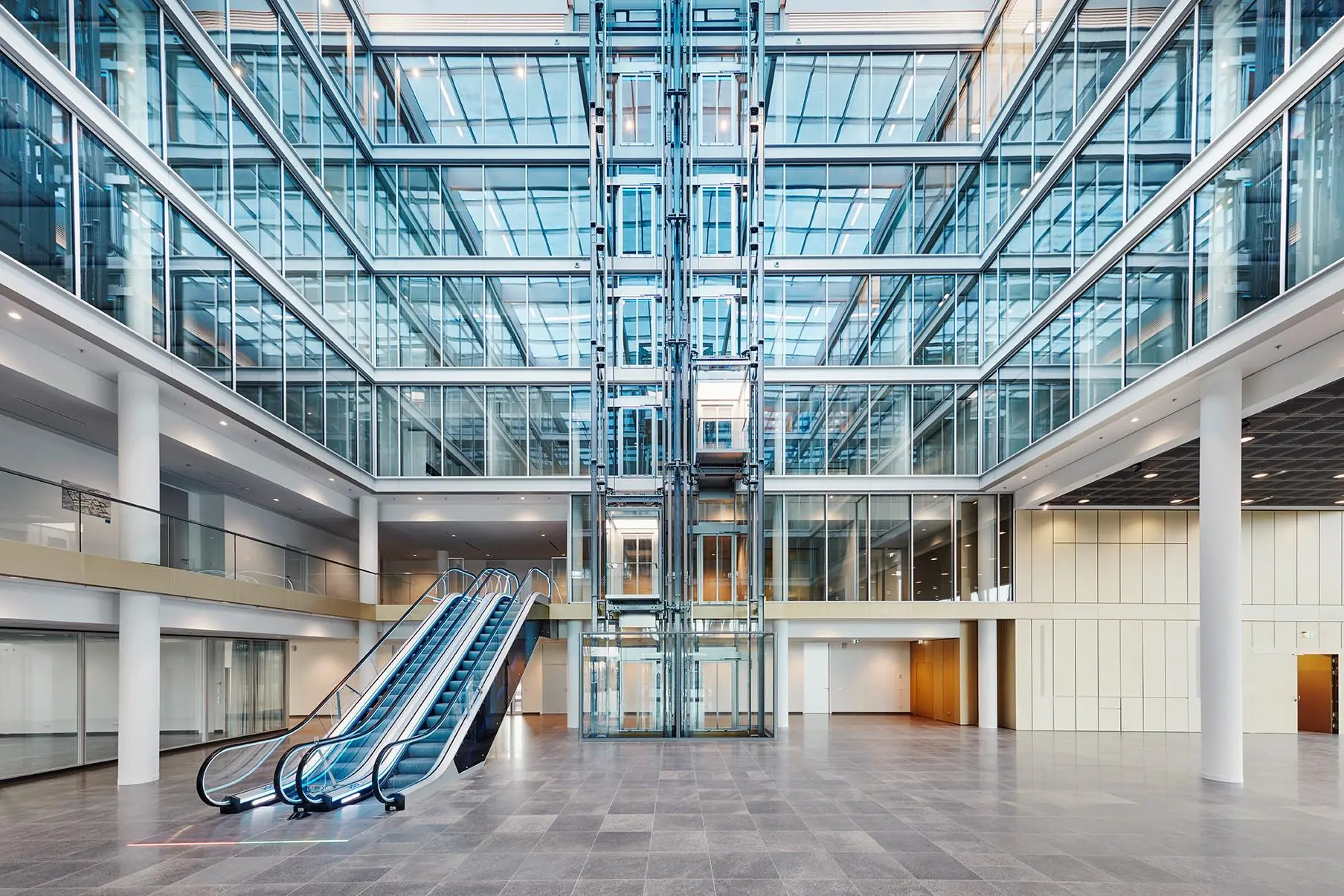
Tall buildings would be far less practical without elevators.
Modern cities rely on a constant flow of information to coordinate their interconnected systems and essential services.
Modern elevators use electric motors, control systems, sensors, safety mechanisms, and automated doors to manage movement between floors.
Some buildings use destination-control systems that group passengers traveling to similar floors. This can improve the way elevator capacity is used during busy periods.
Escalators serve a related purpose by moving people continuously between levels, particularly in shopping centers, airports, and major public transportation stations.
These technologies are especially important in densely populated cities, where buildings often extend many floors above ground.
Elevators also improve accessibility by helping people with mobility limitations reach different parts of buildings.
Although they are often overlooked, vertical transportation systems help make high-density urban development practical.
10. District Energy Systems
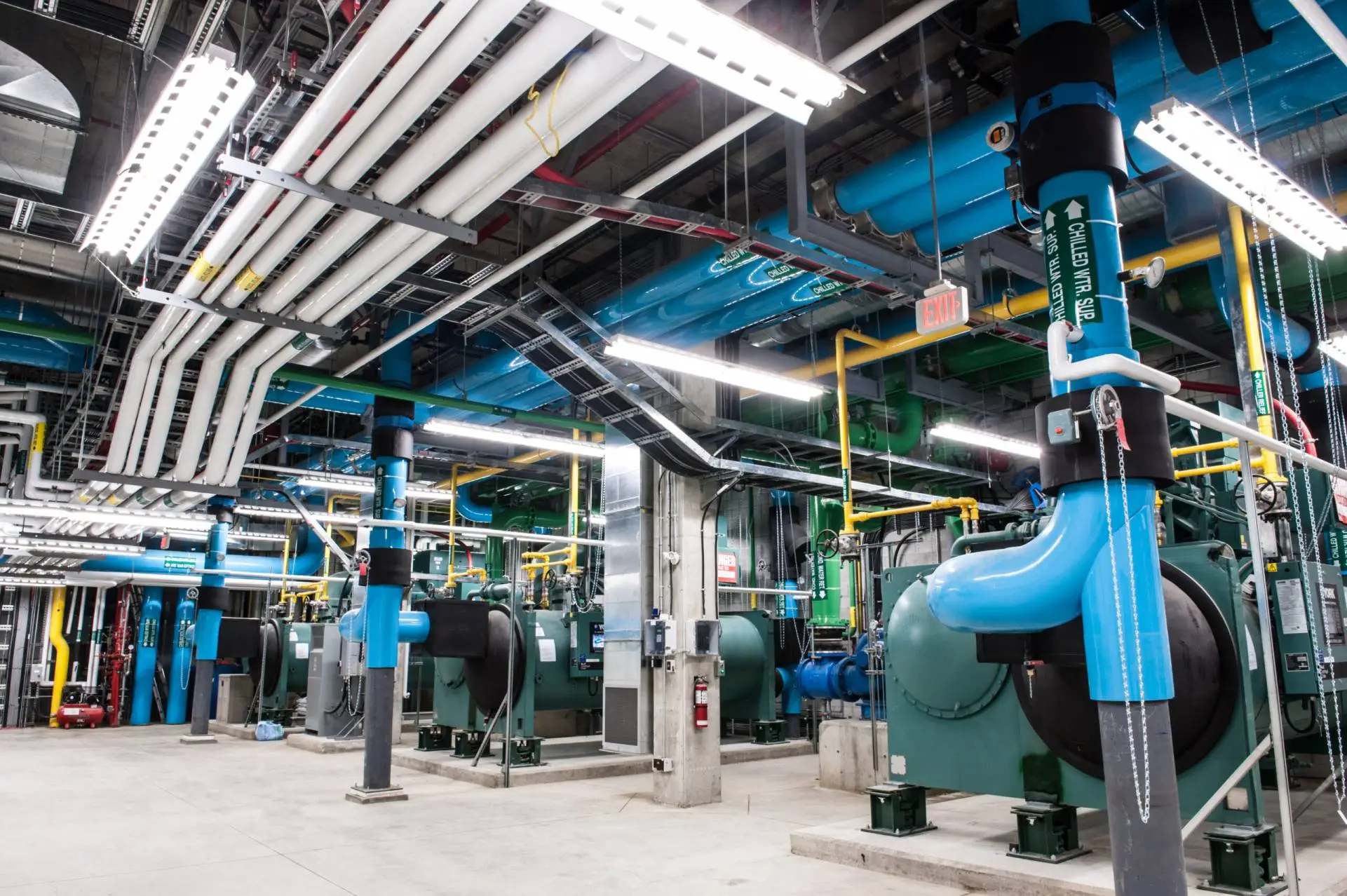
Heating and cooling are often viewed as separate building-level functions rather than services that can be coordinated across an entire district.
District energy systems take a different approach by producing heating or cooling centrally and distributing it through insulated pipes to multiple nearby buildings.
A central plant may supply hot water, steam, or chilled water to apartments, offices, hospitals, universities, and other facilities.
This arrangement can reduce the need for every building to operate its own large heating or cooling equipment.
Some systems also use combined heat and power, renewable energy, geothermal resources, or recovered waste heat, depending on local conditions.
District cooling is particularly relevant in some hot-climate cities, while district heating is more common in colder regions.
These systems are not suitable for every location. Heating and cooling are commonly understood as building-level services, with each property operating its own climate-control systems.
Where conditions are favorable, district energy can help cities coordinate energy services across entire neighborhoods.
How These Technologies Work Together
The ten technologies described above do not operate independently. They form interconnected systems that support different parts of urban life.
Electricity grids provide power to water treatment plants, telecommunications networks, elevators, and transportation systems. Water and wastewater infrastructure protect public health, while drainage networks help manage rainfall.
Public transportation and traffic-management systems influence how people move through the city. Telecommunications networks allow authorities to monitor services and exchange information. Together, these systems support urban living in different ways: waste-management infrastructure maintains environmental cleanliness, while district energy networks serve the heating and cooling needs of multiple buildings.
This interdependence creates an important challenge: a failure in one system can affect several others.
For example, a major power outage can interrupt water pumping, traffic signals, and communication services. Severe flooding can damage roads, electrical equipment, and underground infrastructure at the same time.
That is why modern urban planning increasingly considers infrastructure as a connected network rather than a collection of separate projects.
The strongest cities are not necessarily those with the newest technology. Their work extends beyond daily operations to include maintaining essential services, anticipating potential disruptions, and ensuring that urban infrastructure remains accessible to residents.
Frequently Asked Questions (FAQs)
There is no single answer because cities depend on interconnected systems. Electricity, water supply, sanitation, and transportation are among the most essential because disruptions can affect large parts of daily life.
Smart technologies use sensors, communication networks, and software to collect information and support better decisions. They can help authorities monitor traffic, manage electricity demand, detect infrastructure problems, and improve public services.
Urban infrastructure provides the essential services that enable people to live, work, travel, and run businesses. Reliable infrastructure also supports public health, economic activity, environmental protection, and emergency preparedness.
No. Technology can improve infrastructure and public services, but it cannot replace effective planning, maintenance, good governance, and fair access. A sophisticated system may still fail if it is poorly managed or inaccessible to the people who need it.
Conclusion
The daily operation of a modern city depends on far more than its visible buildings and roads. Beneath streets, inside treatment facilities, and across communication networks, complex technologies work continuously to provide essential services.
Many residents rarely notice these systems because they are designed to operate in the background. Their importance becomes clear when electricity stops flowing, water supplies are interrupted, transportation breaks down, or heavy rainfall overwhelms drainage networks.
Growing urban populations will place greater demands on city infrastructure, requiring sustained investment in maintenance, modernization, and long-term resilience.
The future of urban life will not depend on one spectacular invention. It will depend on how well cities connect, maintain, and improve the technologies that keep everyday life moving.
Research References
- UN-Habitat. World Cities Report 2024.
- International Energy Agency. Electricity Grids and Secure Energy Transitions.
- World Health Organization. Guidelines for Drinking-water Quality.
- United States Environmental Protection Agency. Primer for Municipal Wastewater Treatment Systems.
- International Telecommunication Union. Smart Sustainable Cities.
- United Nations. Goal 11: Sustainable Cities and Communities.
- UN-Water. Water and Urbanization.
- United States Department of Energy. District Energy.
- World Bank. Urban Development.
- Intergovernmental Panel on Climate Change. Climate Change 2022: Impacts, Adaptation and Vulnerability – Chapter 6: Cities, Settlements and Key Infrastructure.