
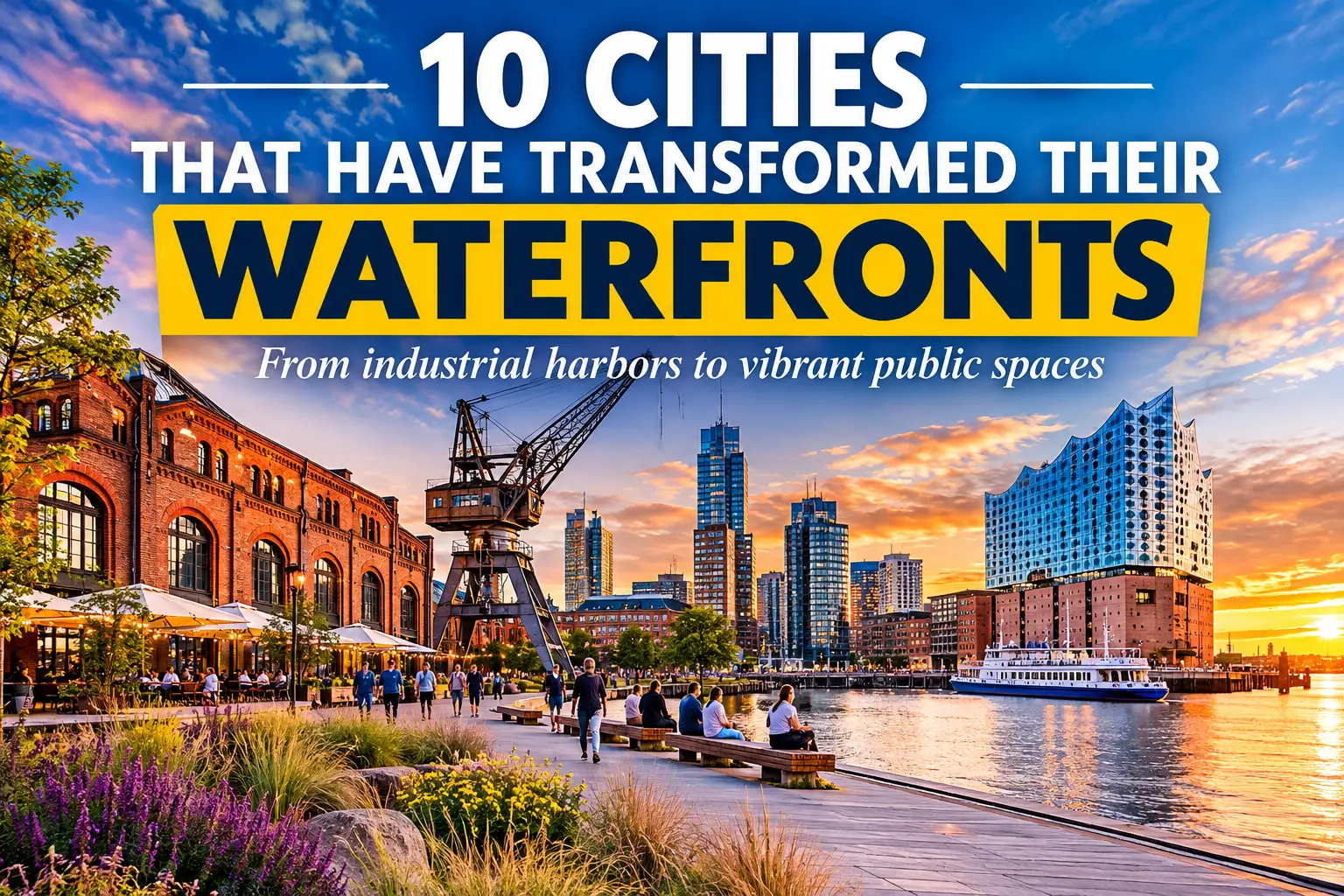
Coastal areas and urban waterways have historically supported trade, transportation, and urban development. Ports, docks, shipyards, and industrial facilities once brought jobs and trade to urban areas. But as shipping operations changed and industries moved elsewhere, many waterfront districts lost their original purpose.
Rather than leaving these areas unused, some cities began transforming them for new purposes.
Former industrial harbors became public promenades, cultural attractions, parks, residential neighborhoods, and places where people could reconnect with the water.
The transformation of waterfronts is part of a broader shift in urban planning, echoing similar efforts to abandoned industrial sites transformed into public spaces that have found new purposes; waterfront redevelopment shows how cities can reuse underused land while retaining parts of their history.
Cities are changing the way they are built and used. Greener streets, better transport, and more welcoming public spaces are helping reshape urban life. 10 cities that are redesigning urban life for the future show what these changes can look like.
The results are not identical.
Some projects focus on public access and recreation, while others combine housing, business, tourism, and environmental restoration.
Here are 10 cities that have transformed their waterfronts in distinctive ways.
1. Puerto Madero, Buenos Aires, Argentina
From an outdated port to a modern urban district
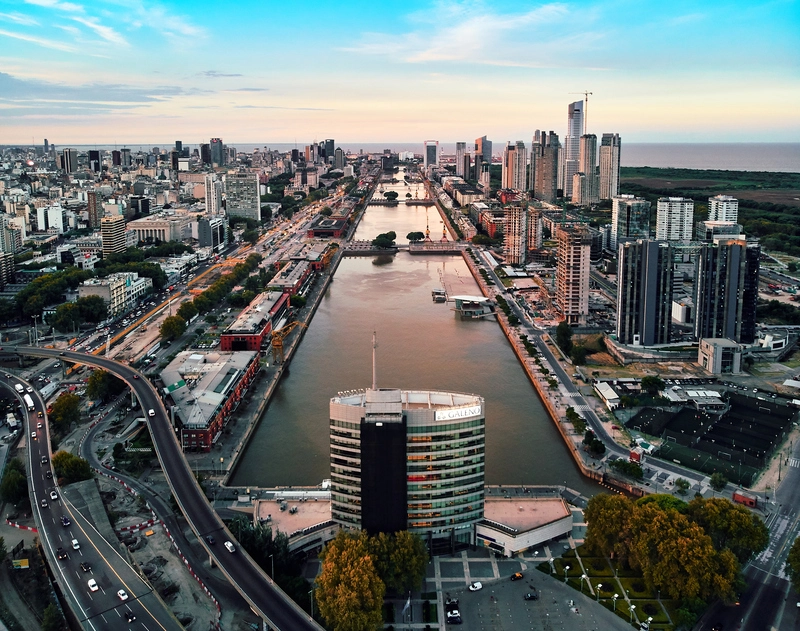
Buenos Aires once depended heavily on its port facilities, but changes in shipping and port operations eventually left the old Puerto Madero docks underused.
The city began redeveloping the historic district in the 1990s, converting former dock buildings into restaurants, offices, apartments, and commercial spaces.
Today, Puerto Madero is one of the city’s most recognizable districts. Its restored red-brick warehouses stand alongside modern residential towers, hotels, and restaurants. Visitors and residents can walk along paths beside the docks.
The transformation demonstrates how historic port infrastructure can become part of a modern city without completely erasing its original character.
What makes it notable: Puerto Madero combines preserved dock architecture with contemporary buildings, restaurants, and public waterfront spaces.
Source: Buenos Aires City Government — Puerto Madero
2. Darling Harbour, Sydney, Australia
Turning an industrial harbor into a major public destination
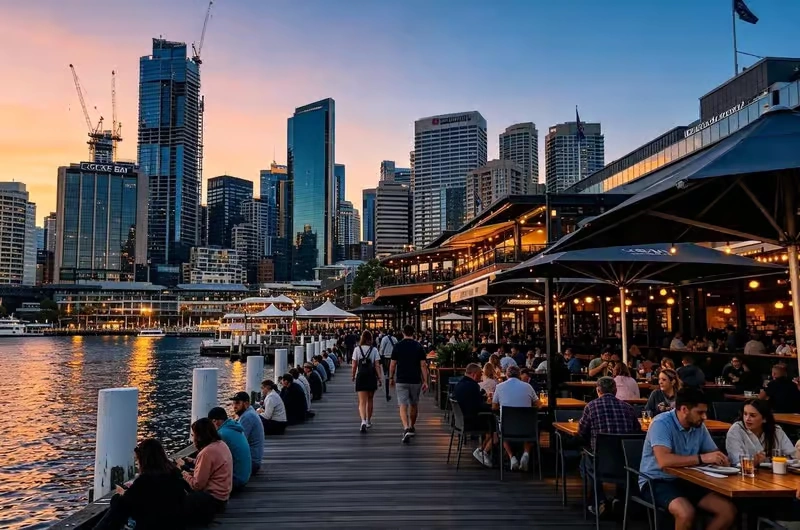
Darling Harbour originally served as an important port and industrial area in Sydney. As shipping activities changed, parts of the waterfront became less central to the city’s commercial life.
A major redevelopment program began in the 1980s, transforming the former industrial district into a destination for recreation, entertainment, tourism, and public events.
Today, Darling Harbour features waterfront promenades, restaurants, museums, attractions, landscaped areas, and spaces for large public gatherings. Its location close to central Sydney makes it an important part of the city’s visitor experience.
This transformation shows how former industrial waterfronts can accommodate public activities while continuing to support local communities and tourism.
What makes it notable: Darling Harbour replaced much of its former industrial character with accessible public spaces and a wide range of cultural and recreational attractions.
Source: Darling Harbour — History and Heritage
3. Nordhavn, Copenhagen, Denmark
A former industrial port becoming a waterfront neighborhood
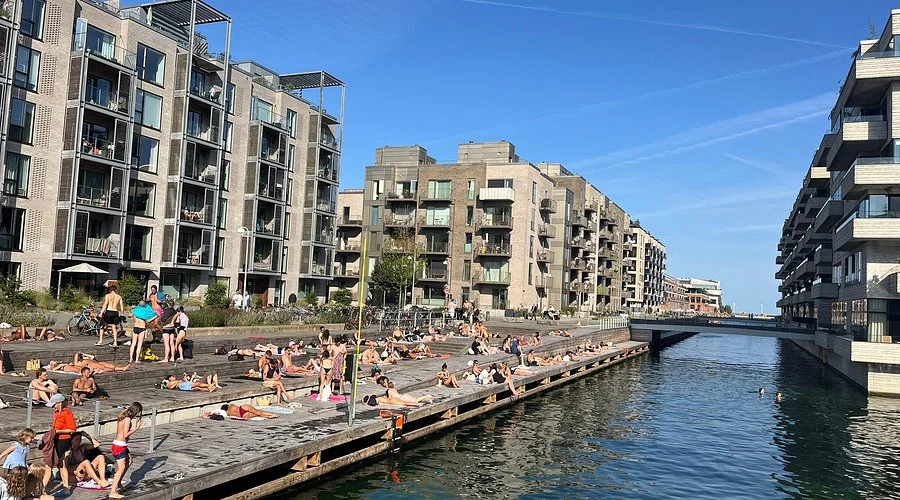
Nordhavn once served as an industrial harbor, with shipping, storage, and other port activities. As the city’s port operations evolved, parts of the area became available for redevelopment.
The district is now being transformed into a modern urban neighborhood with homes, workplaces, public spaces, and waterfront recreation areas.
One of Nordhavn’s defining features is its relationship with the water. The neighborhood incorporates public access, walking paths, swimming areas, and outdoor spaces.
The transformation is also taking place over many years. Nordhavn should therefore be understood as an ongoing urban development rather than a finished project.
Its planning illustrates how former industrial waterfront land can accommodate new communities while retaining elements of its maritime identity.
What makes it notable: Nordhavn combines residential development, public waterfront access, and modern urban planning in a former port district.
Source: Visit Copenhagen — A Guide to Nordhavn
4. HafenCity, Hamburg, Germany
A former port area reshaped into a modern city district
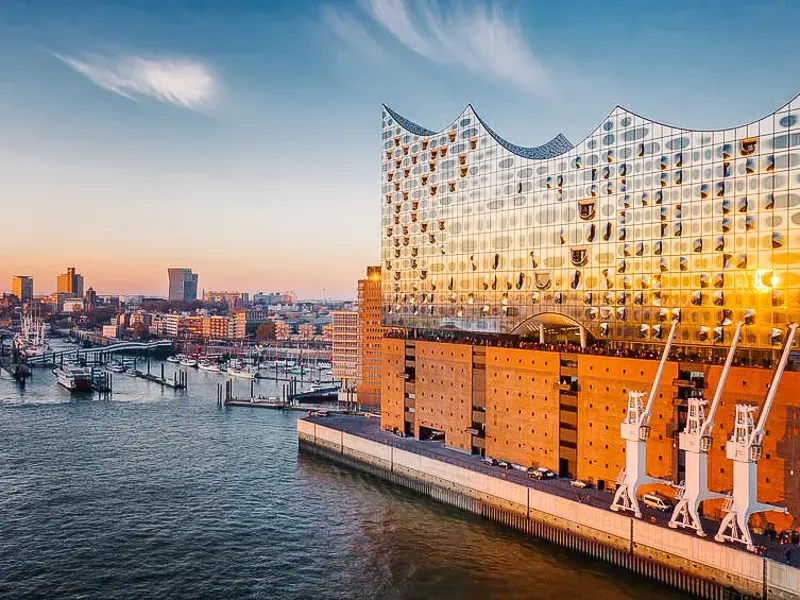
Hamburg’s HafenCity is one of Europe’s major waterfront redevelopment projects. The district occupies former port and industrial land close to the city’s historic center.
The redevelopment aimed to create a balanced neighborhood with homes, offices, shops, cultural spaces, and public areas.
The result includes modern architecture, pedestrian routes, waterfront promenades, and restored or repurposed historic structures.
One of its most recognizable landmarks is the Elbphilharmonie concert hall, built on top of a former warehouse. Its distinctive architecture has become an important part of Hamburg’s contemporary identity.
HafenCity is still developing, but many of its public spaces and buildings are already part of everyday city life.
What makes it notable: HafenCity combines large-scale waterfront redevelopment with cultural landmarks, housing, workplaces, and public access to the river.
Source: HafenCity Hamburg — Facts and Figures
5. V&A Waterfront, Cape Town, South Africa
Connecting a working harbor with city life
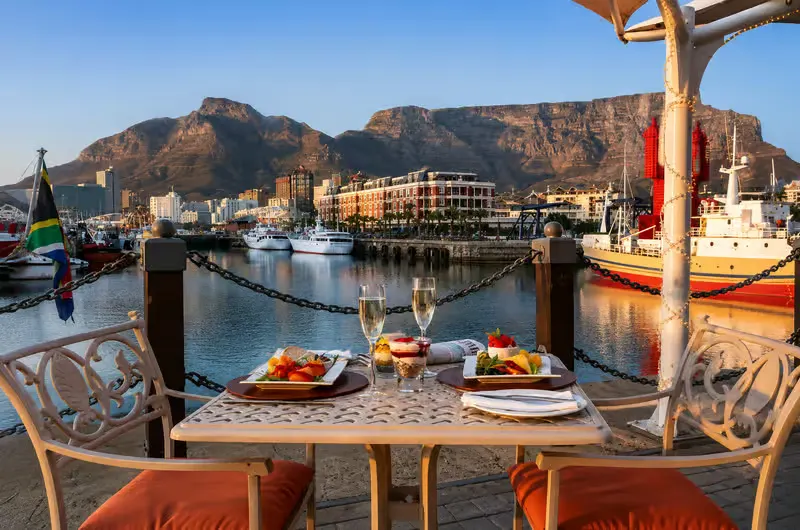
Cape Town’s V&A Waterfront offers a different approach to waterfront redevelopment. Rather than completely removing the area’s maritime character, the project has developed around an active harbor.
The district combines working port activities with restaurants, shops, hotels, cultural attractions, and public gathering areas.
The redevelopment retained historic harbor structures and adapted them for modern uses, helping establish the waterfront as a major destination in Cape Town.
Visitors can walk beside the water, enjoy views of Table Mountain, visit attractions, or watch boats moving through the harbor.
The project illustrates how urban redevelopment can introduce new uses while allowing established waterfront operations to continue. In some locations, commercial and maritime activities can continue alongside tourism and public recreation.
What makes it notable: The district blends an active harbor, historic buildings, retail, dining, and public spaces in a prominent coastal setting.
Source: V&A Waterfront — Our Development
6. Brooklyn Bridge Park, New York City, United States
Turning old shipping piers into a waterfront park
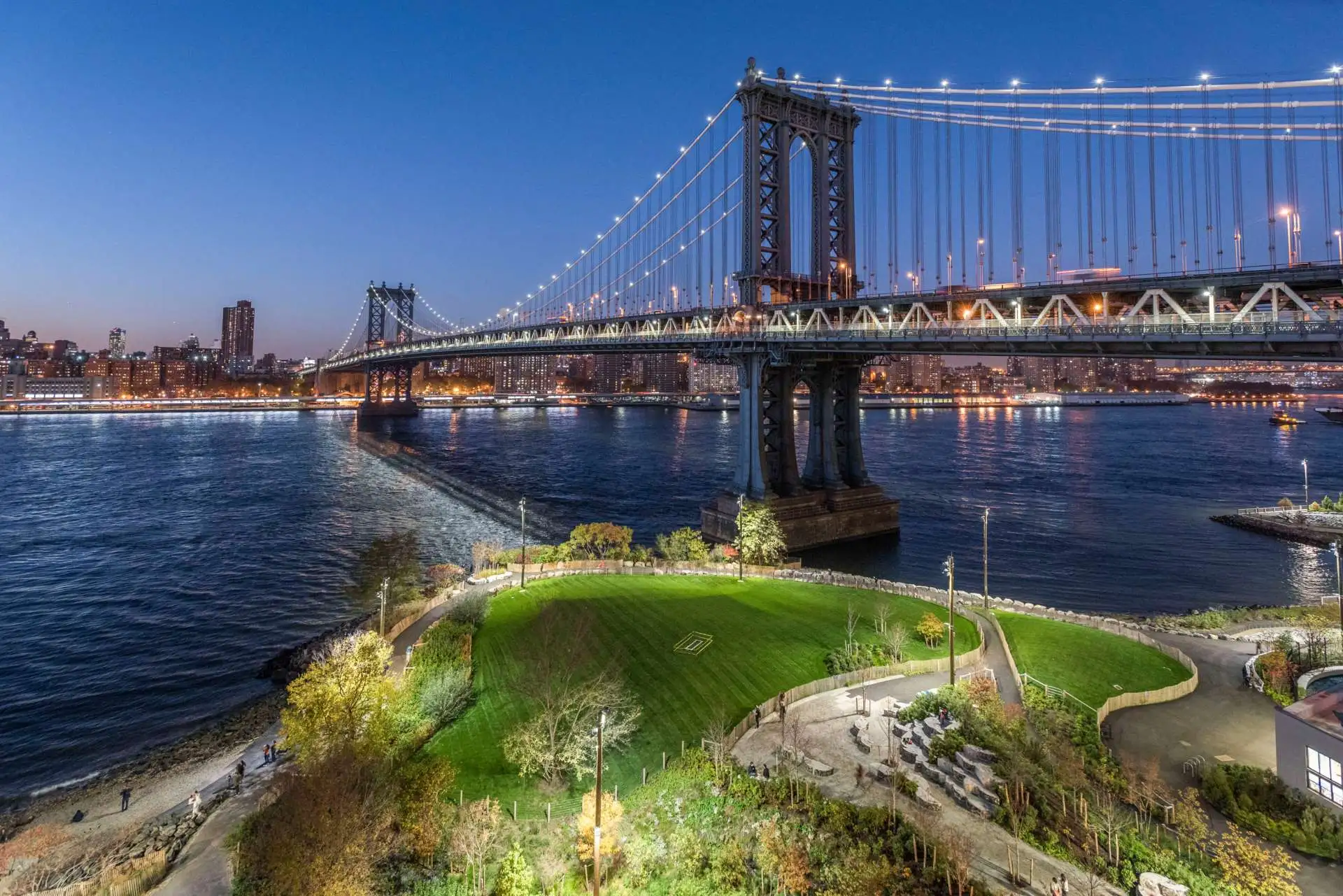
Brooklyn’s waterfront was once closely connected to shipping and cargo operations. Changes in shipping and waterfront industries left several East River piers underused as maritime activity decreased.
Brooklyn Bridge Park transformed these former industrial waterfront areas into a large public park.
The park stretches along the East River and offers landscaped lawns, walking paths, recreation areas, sports facilities, playgrounds, and places to enjoy views of the Manhattan skyline.
Rather than treating the old piers as useless industrial structures, the project incorporated parts of the waterfront’s working history into a new public landscape.
The park has also improved access to the river for neighborhoods that previously had limited opportunities to enjoy the shoreline.
What makes it notable: Brooklyn Bridge Park demonstrates how former shipping infrastructure can be repurposed into accessible green space in a densely populated city.
Source: Brooklyn Bridge Park — History
7. Toronto Waterfront, Toronto, Canada
Reconnecting the city with Lake Ontario
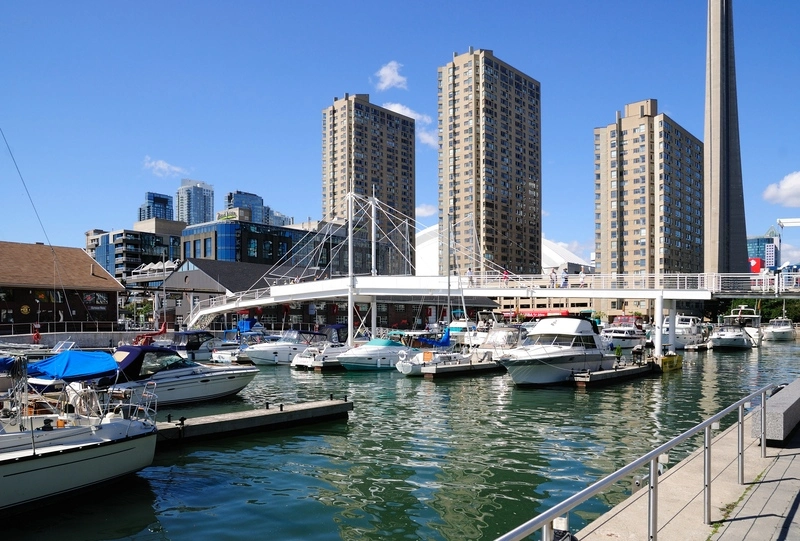
Over the past several decades, Toronto has steadily redeveloped its waterfront. Once shaped by industrial operations, shipping, and transportation infrastructure, parts of the shoreline became disconnected from everyday city life.
Redevelopment efforts have focused on improving public access, creating parks, upgrading promenades, and introducing new residential and cultural spaces.
Projects such as Sugar Beach and the revitalized Queens Quay have helped make the waterfront more attractive and accessible. The shoreline now features pedestrian paths, cycling routes, landscaped areas, and public spaces for gathering.
The wider waterfront transformation is ongoing, with additional redevelopment projects planned or under construction in different areas.
Toronto’s experience shows that transforming a waterfront is not necessarily a single construction project. It can involve years of coordinated planning and improvements across an entire urban shoreline.
What makes it notable: Toronto is gradually reconnecting its urban center with Lake Ontario through public spaces, transportation improvements, and waterfront redevelopment.
Source: Waterfront Toronto — History and Heritage
8. Aker Brygge, Oslo, Norway
From shipyard to a lively waterfront district
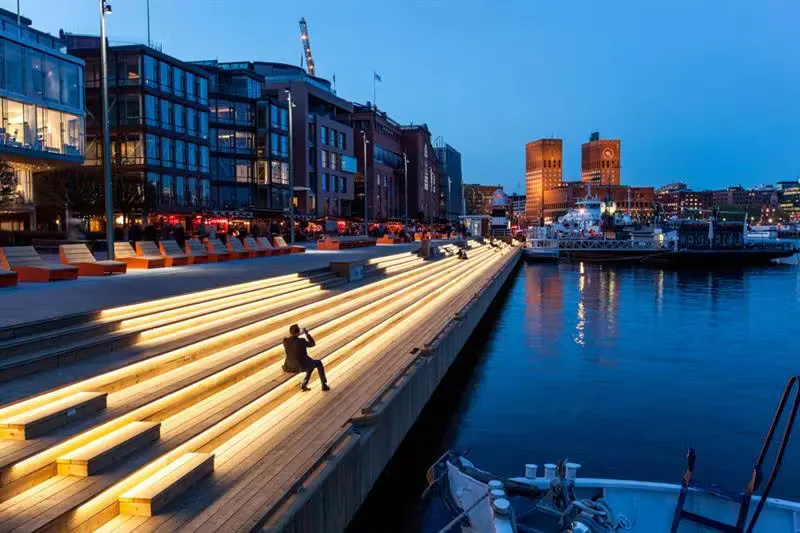
Before its redevelopment, Aker Brygge was defined by shipyards, industrial facilities, and maritime activity. When the shipyard closed in the early 1980s, the waterfront became an opportunity for a different kind of urban development.
Redevelopment began in the mid-1980s, gradually turning the former industrial site into a mixed-use district.
Today, Aker Brygge features restaurants, shops, offices, apartments, and public spaces beside Oslo’s harbor. Its promenades allow people to walk along the waterfront and enjoy views of the Oslofjord.
The district has become a popular gathering place, especially during warmer months when outdoor dining and waterfront activities draw residents and visitors.
Aker Brygge is also part of Oslo’s broader effort to reconnect the city with its shoreline.
What makes it notable: A former shipyard has become a lively mixed-use district with restaurants, shops, housing, and public waterfront access.
Source: Oslo Municipality — Aker Brygge
9. Cheonggyecheon, Seoul, South Korea
Restoring an urban waterway beneath the city
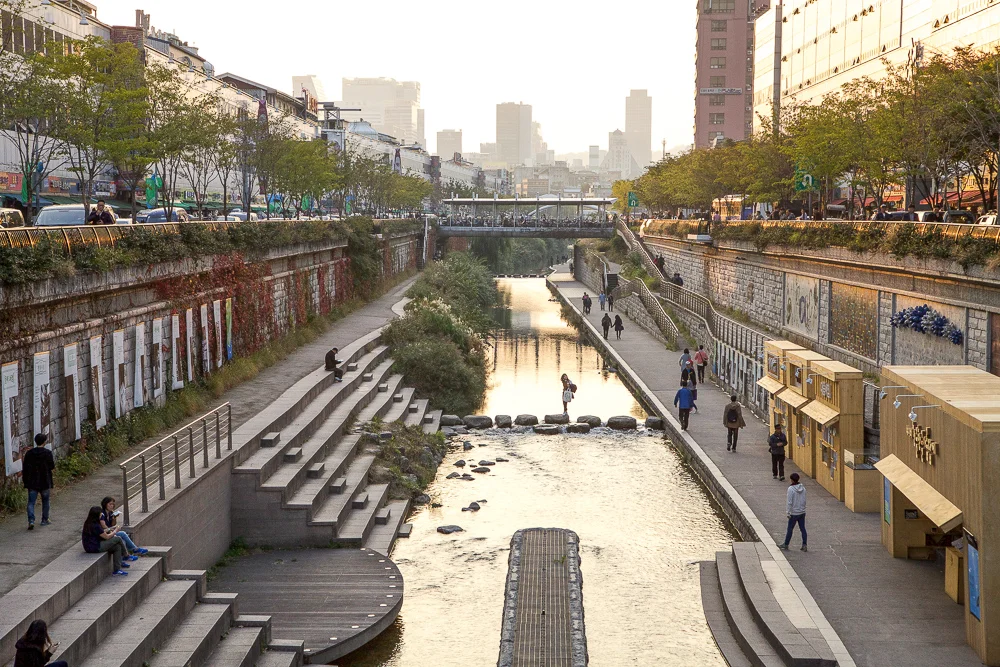
Not every waterfront transformation involves a harbor or coastline. Once hidden beneath roads and an elevated highway, Cheonggyecheon became the focus of a major urban restoration project in Seoul.
The restoration project began in 2003 and was completed in 2005. The project removed the elevated highway and restored the stream as a visible feature of the urban landscape.
Today, Cheonggyecheon is a long public corridor with walking paths, bridges, water features, and landscaped areas. It offers residents and visitors a distinctive public space in the heart of a busy city.
The project also changed how residents and visitors experience central Seoul. Instead of being separated from the waterway by major road infrastructure, people can now walk alongside it.
Cheonggyecheon is not a traditional harbor redevelopment, but it is an important example of how an urban waterway can be restored and made accessible to the public.
What makes it notable: Seoul replaced major road infrastructure with a restored stream and a pedestrian-friendly public space.
Source: Seoul Metropolitan Government — Cheonggyecheon
10. Bishan-Ang Mo Kio Park, Singapore
Transforming a concrete canal into a natural river landscape
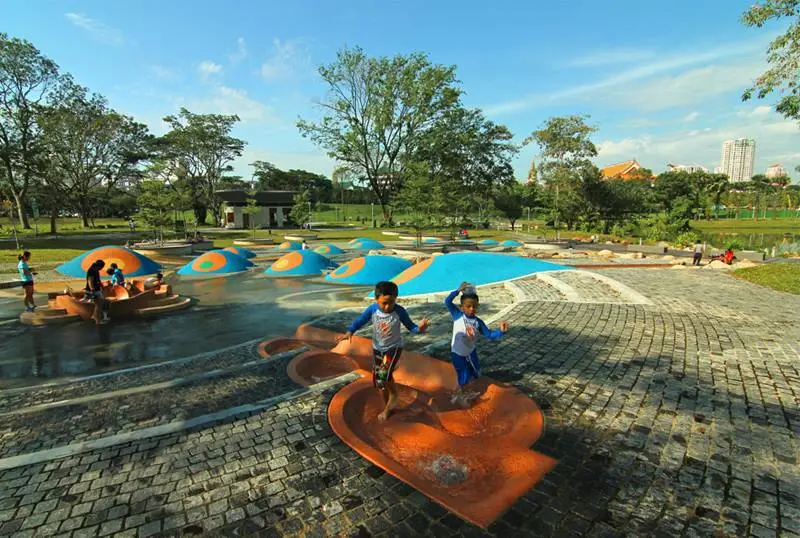
Singapore’s Bishan-Ang Mo Kio Park demonstrates how urban waterways can be redesigned to provide both recreational and environmental benefits.
The Kallang River originally ran through the area as a concrete drainage channel. Under Singapore’s Active, Beautiful, Clean Waters approach, the canal was transformed into a more natural river landscape.
The restored stream features winding waterways, landscaped banks, green spaces, and areas where visitors can relax and enjoy the surroundings.
The project shows how water management can serve a purpose beyond infrastructure by becoming part of the city’s public spaces. The park provides recreational areas while the river system continues to serve an important drainage function.
This example shows that waterfront renewal can involve more than beautifying a shoreline. It can also improve how cities manage water and create green spaces within urban neighborhoods.
What makes it notable: Bishan-Ang Mo Kio Park combines river naturalization, flood-management planning, biodiversity, and public recreation.
Source: Singapore PUB — Bishan-Ang Mo Kio Park
What These Waterfront Transformations Have in Common
Although these cities have different histories and urban environments, their projects reveal several shared principles.
1. Old infrastructure can have a new purpose
Former warehouses, shipping piers, shipyards, and industrial sites do not always need to be demolished. Some can be adapted for housing, businesses, cultural attractions, parks, or public facilities.
Reusing existing structures can also help preserve parts of a city’s history.
2. Public access should be a priority
Public access is essential to waterfront planning, as private developments, road infrastructure, and restricted industrial zones can disconnect shorelines from the communities around them.
Public promenades, parks, walking paths, and gathering spaces help reconnect people with the water.
3. Mixed-use development creates more active districts
Successful waterfront districts often combine several uses rather than relying on a single attraction.
Housing, offices, restaurants, shops, cultural facilities, and recreational spaces can help keep an area active throughout the day.
4. Environmental improvements matter
Waterfront redevelopment can create opportunities to restore waterways, improve green spaces, and strengthen flood-management systems.
Projects such as Cheonggyecheon and Bishan-Ang Mo Kio Park demonstrate how urban water restoration can become part of a broader public-space strategy.
5. Transformation takes time
Large waterfront projects rarely happen overnight. They require long-term planning, funding, coordination, and maintenance.
Some developments, including Nordhavn and parts of Toronto’s waterfront, are still evolving. Their long-term success will depend on how well future development serves residents and protects public access.
Comparing the 10 Waterfront Transformations
| City | Waterfront transformation | Main feature |
|---|---|---|
| Buenos Aires | Puerto Madero | Historic docks adapted into a modern district |
| Sydney | Darling Harbour | Industrial harbor redeveloped as a public destination |
| Copenhagen | Nordhavn | Former port becoming a mixed-use neighborhood |
| Hamburg | HafenCity | Large-scale redevelopment of former port land |
| Cape Town | V&A Waterfront | Active harbor combined with tourism and retail |
| New York City | Brooklyn Bridge Park | Former shipping piers transformed into a public park |
| Toronto | Toronto Waterfront | Shoreline improvements and public-space redevelopment |
| Oslo | Aker Brygge | Former shipyard transformed into a mixed-use district |
| Seoul | Cheonggyecheon | Covered urban stream restored as a public corridor |
| Singapore | Bishan-Ang Mo Kio Park | Concrete canal transformed into a natural river landscape |
Can Other Cities Learn From These Projects?
Waterfront redevelopment involves far more than adding restaurants, apartments, and attractive pedestrian paths. Each city must consider its geography, existing infrastructure, environmental risks, local communities, and economic priorities.
However, several practical ideas can guide future projects.
- Protect public access: Waterfronts should include spaces where residents can walk, relax, and enjoy the water without needing to spend money.
- Preserve useful historic structures: Old warehouses, docks, and industrial buildings can sometimes be adapted instead of demolished.
- Include green spaces: Trees, parks, natural riverbanks, and landscaped areas can improve the quality of urban environments.
- Plan for climate risks: Flooding, rising sea levels, and coastal erosion should be considered before major construction begins.
- Balance development with community needs: New commercial and residential projects should not push public access aside or make waterfront areas useful only to visitors and wealthy residents.
- Maintain the improvements: Parks, promenades, waterways, and public facilities need long-term funding and maintenance.
The strongest waterfront projects are not simply attractive places to visit. They improve the relationship between a city, its residents, and its natural environment.
Frequently Asked Questions (FAQs)
Waterfront redevelopment is the process of improving or repurposing land beside rivers, lakes, harbors, or coastlines. It can involve turning former industrial areas into parks, housing, cultural facilities, commercial districts, and public spaces.
Many cities redevelop waterfronts because shipping and industrial activities have changed or moved elsewhere. These areas can offer valuable opportunities for public recreation, tourism, housing, business, and environmental improvements.
Waterfront redevelopment has no single definition of success. What works for Puerto Madero may not work for Darling Harbour, HafenCity, or Brooklyn Bridge Park. Each city needs a waterfront that suits its people and local conditions.
That depends on how the project is designed. Restoring waterways, adding green spaces, improving drainage, and protecting natural habitats can provide environmental benefits. However, poorly planned development can also damage ecosystems or increase flood risks.
No. Some projects are developed in phases over many years. Nordhavn in Copenhagen and parts of Toronto’s wider waterfront are examples of ongoing transformations.