
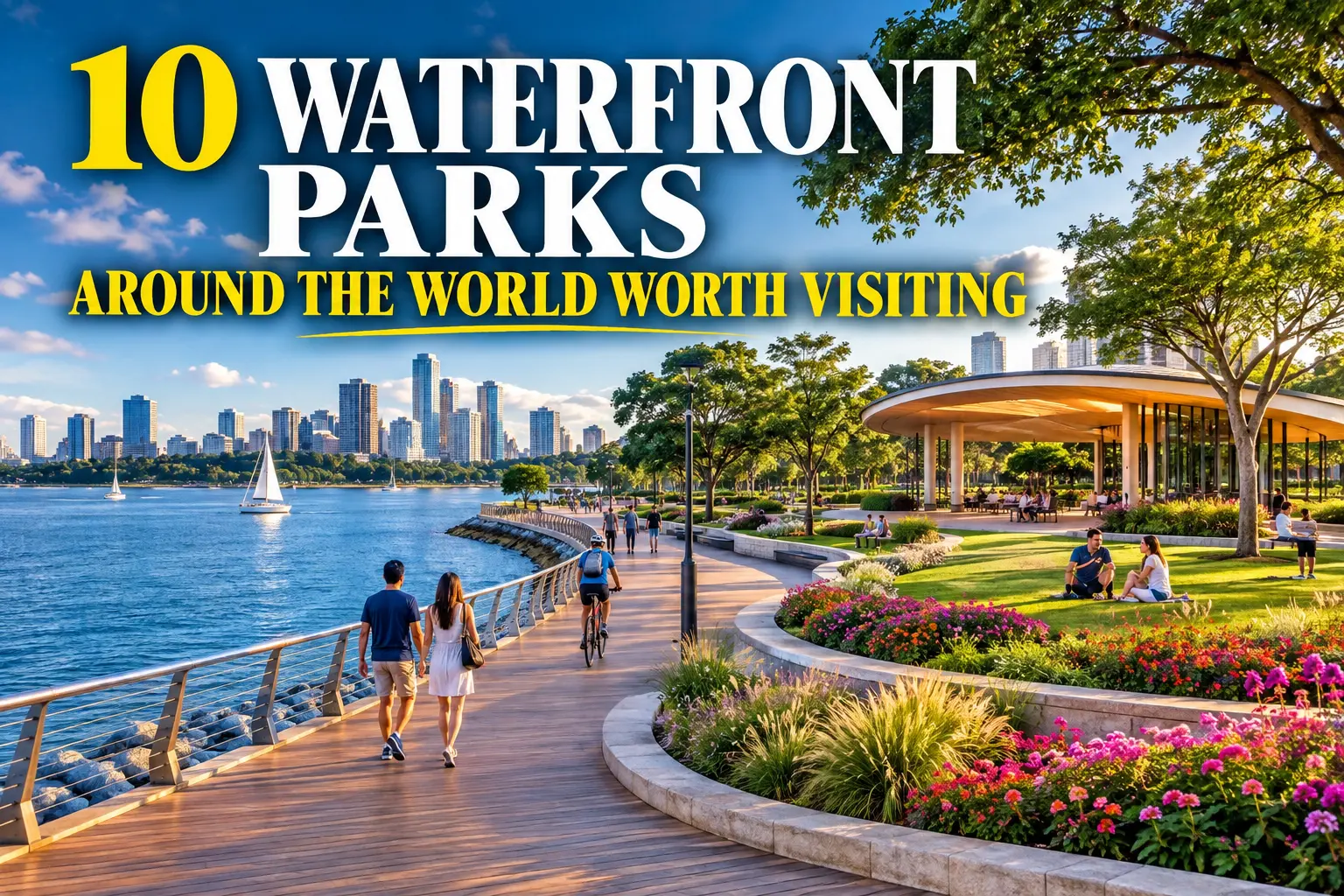
A city waterfront can be one of the most enjoyable places to spend time outdoors.
They create inviting spaces where people can slow down, enjoy the scenery, get some exercise, or spend time by the water.
Some waterfront parks are carefully landscaped gardens beside famous skylines. Some follow rivers through crowded urban areas, while others are built on former industrial land converted into public spaces.
Each offers a different way to experience the relationship between a city and its surrounding water.
Beyond providing green space, these parks help make cities better places to live and spend time. Cities are investing in greener public spaces, better walking and cycling connections, and more opportunities for residents to spend time outdoors.
These changes are part of the wider movement toward more people-friendly urban environments, as seen in 10 Cities That Are Redesigning Urban Life for the Future.
Here are 10 waterfront parks around the world that deserve a place on your travel list.
1. Brooklyn Bridge Park, New York City, USA
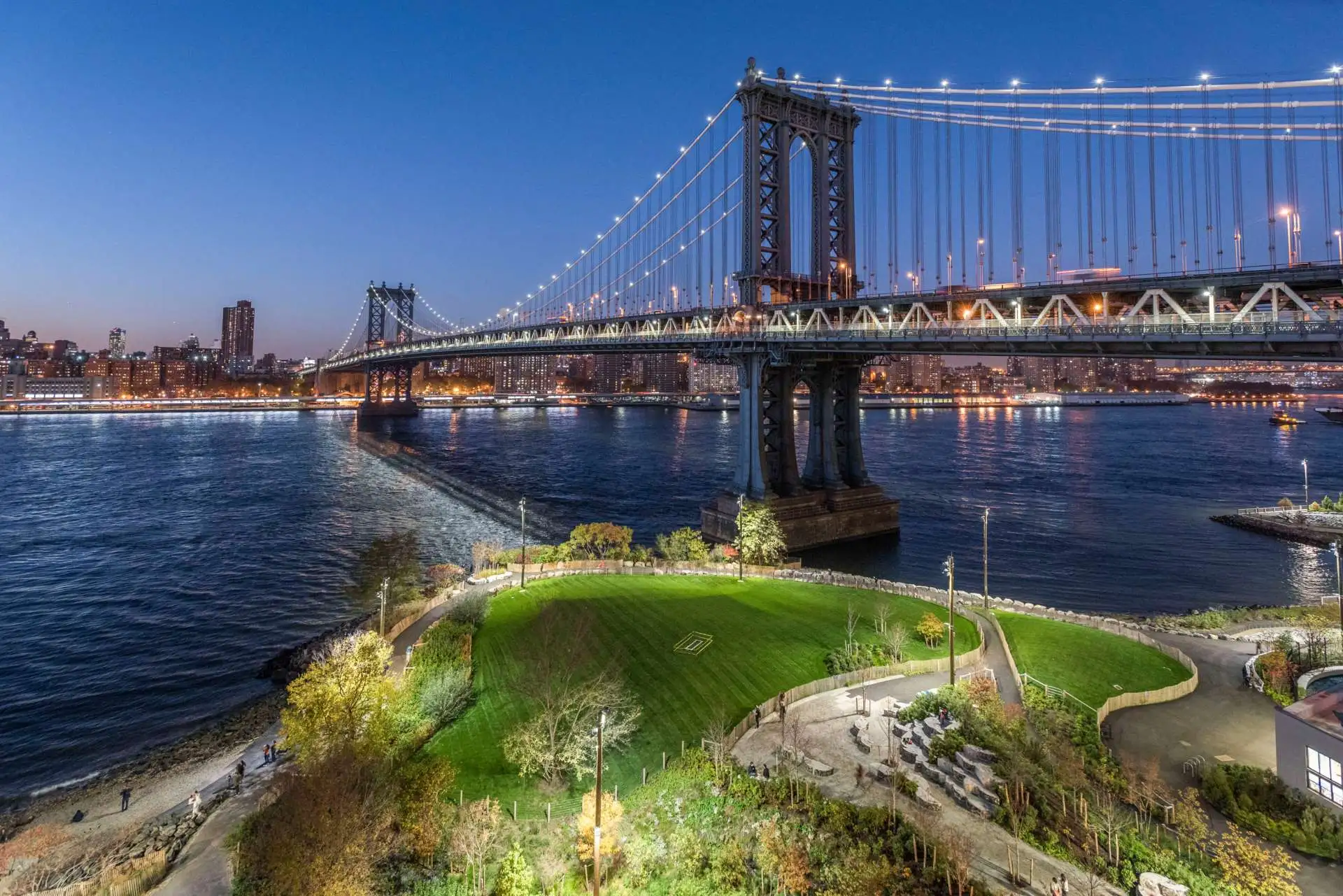
Few waterfront parks offer a more recognizable city backdrop than Brooklyn Bridge Park. Stretching along the East River in Brooklyn, this 85-acre public space combines landscaped lawns, gardens, recreational facilities, and walking paths with impressive views of Lower Manhattan.
The park has several piers with sports facilities, playgrounds, picnic areas, and open spaces. Pier 1 features spacious lawns, tree-shaded walkways, and views across the harbor.
One of the best ways to experience the park is to walk along the waterfront promenade. The Manhattan skyline provides a dramatic background, especially around sunset when the buildings begin to light up.
Brooklyn Bridge Park turned an old industrial waterfront into a place for everyone to enjoy. Instead of remaining disconnected from the surrounding neighborhoods, the shoreline now offers residents and visitors a place to enjoy the river.
Why visit: Enjoy beautiful waterfront views, outdoor activities, and memorable walks at sunset in New York City.
2. Barangaroo Reserve, Sydney, Australia
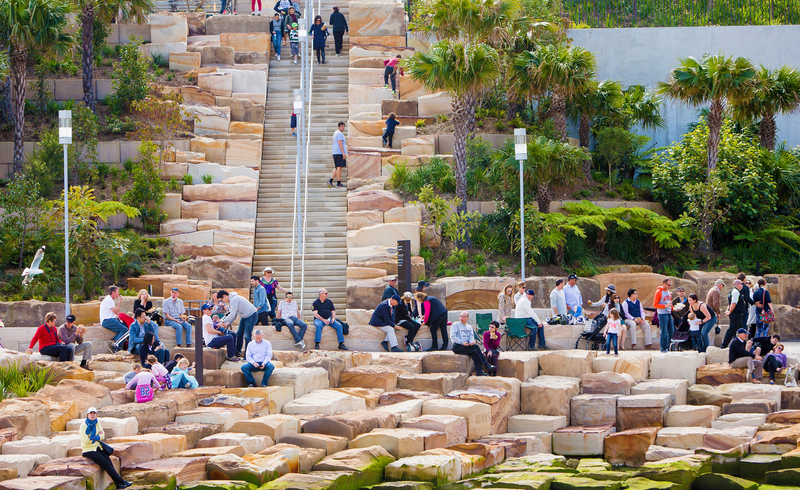
Sydney is famous for its harbor, but Barangaroo Reserve offers a particularly interesting way to enjoy it. Located close to the central business district, the six-hectare park combines native vegetation, open lawns, walking paths, and sandstone formations along the water.
The reserve occupies a site that was once used for container storage. The redevelopment created a public green space featuring native Australian plants and reflecting the surrounding natural landscape.
The reserve is home to over 75,000 native trees and shrubs, creating a landscape that feels closer to nature than a traditional city park. Visitors can walk along the foreshore, enjoy harbor views, find a quiet place to sit, or have a picnic on the lawns.
The park is also part of the wider Barangaroo area, which has waterfront walkways, public spaces, and restaurants. This makes it easy to combine a visit with a longer walk around Sydney Harbour.
Why visit: For native Australian landscaping, peaceful harbor views, and a green escape close to central Sydney.
3. Hangang Parks, Seoul, South Korea
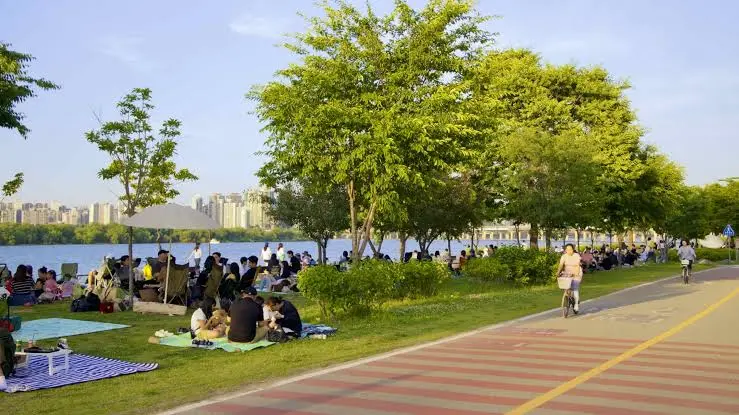
Stretching along the Han River, the Hangang Parks are a major part of outdoor life in Seoul. Rather than being a single park, the system consists of 11 riverside parks along the Han River, each with its own atmosphere and facilities.
Some areas are ideal for peaceful walks and nature watching, while others are popular for cycling, sports, picnics, and community events. The riverside parks offer a fresh perspective on Seoul, with sweeping views of its bridges, skyline, and the Han River.
Banpo Hangang Park is especially popular with visitors. It offers cycling paths, sports facilities, picnic areas, and views of Banpo Bridge. The illuminated Rainbow Fountain beneath the bridge is a popular attraction, although performance times may vary.
Those who prefer a quieter visit can choose another riverside area to walk, relax, or enjoy the view. The large park system offers different experiences for different visitors.
The Hangang Parks show how a major river can become part of everyday city life rather than simply serving as a physical boundary.
Why visit: For riverside recreation, cycling, city views, and a chance to experience how Seoul residents enjoy the outdoors.
4. Hudson River Park, New York City, USA
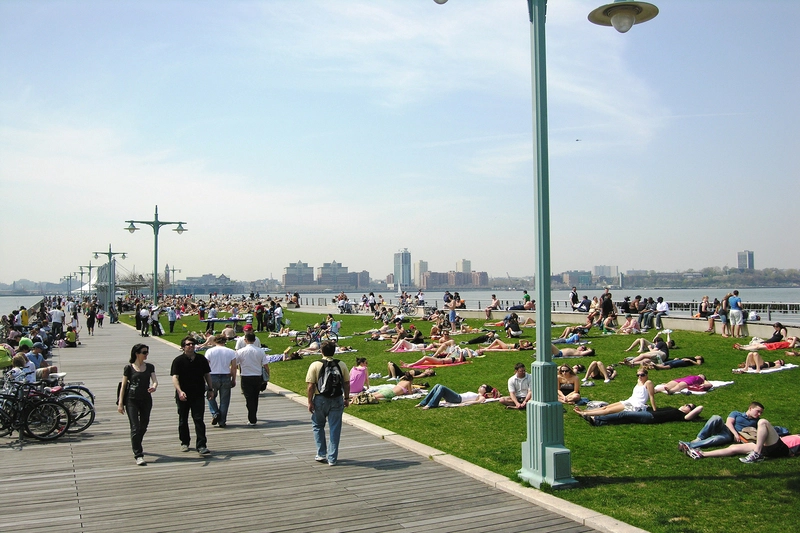
Hudson River Park gives Manhattan a beautiful stretch of public green space where visitors can walk, relax, and enjoy the riverfront. Its network of piers, lawns, paths, and recreational areas provides a welcome break from the surrounding streets.
Stretching about four miles, the park offers several places to sit, relax, and enjoy the surroundings. Visitors can choose between quiet places to unwind, areas for sports and play, and activities along the water.
Its piers are among its most distinctive features. These spaces make the riverfront more useful to the public by providing areas for recreation, community events, and waterfront access. Visitors can enjoy bike paths that connect the park with surrounding neighborhoods.
Hudson River Park combines waterfront recreation with environmental protection. Its estuary sanctuary gives local wildlife a place to live while helping protect the river environment.
For travelers who want to experience Manhattan beyond its crowded commercial streets, the park provides a different perspective on the city.
Why visit: For a long riverside walk, recreational activities, and open views across the Hudson River.
5. Waterfront Park, Seattle, USA
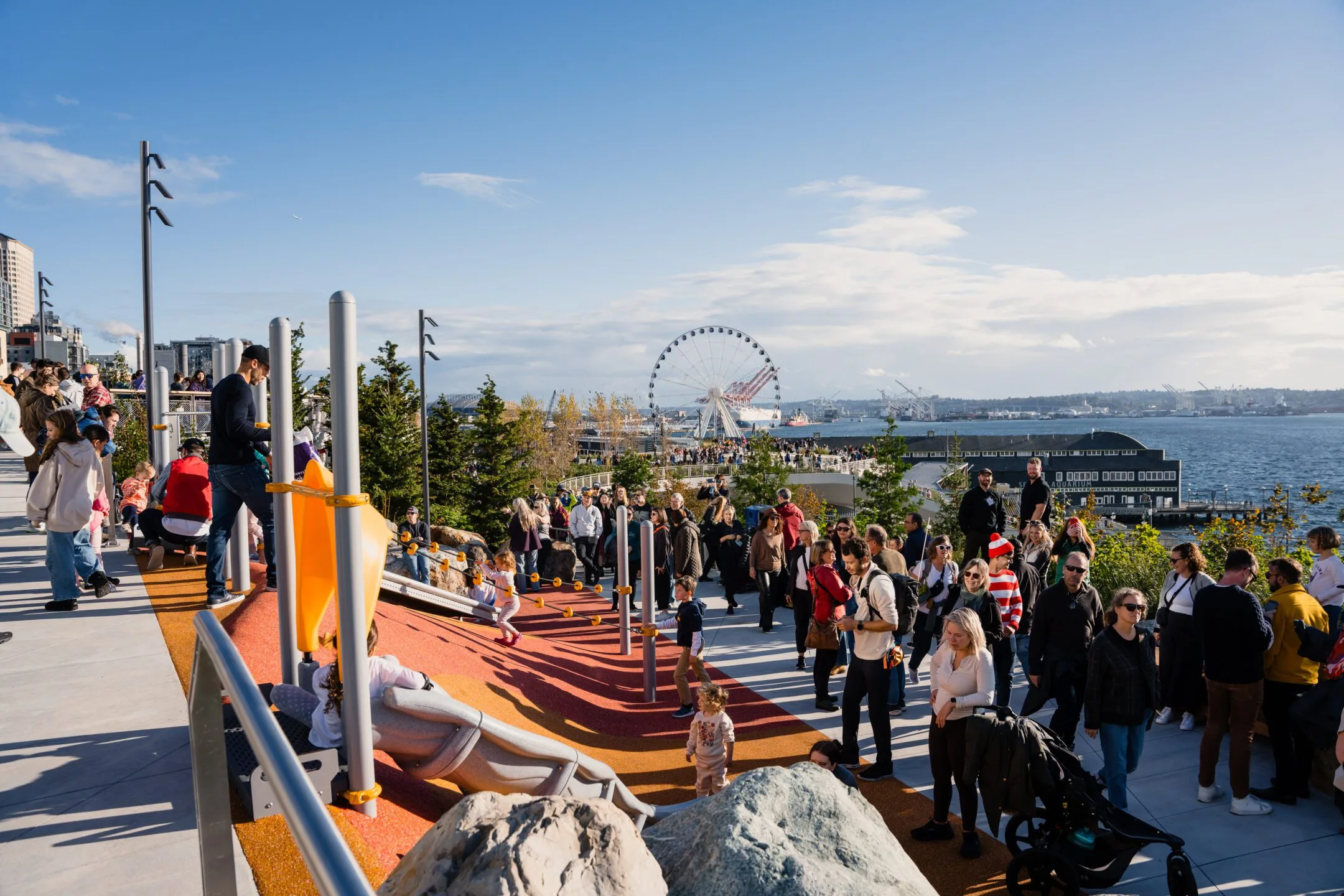
Seattle has transformed its central waterfront into a more welcoming place for people to gather and enjoy the Bay. Visitors can walk, gather, enjoy public art, and spend time near the water.
Removing the Alaskan Way Viaduct gave Seattle the chance to redesign parts of its central waterfront. The result is a more pedestrian-friendly environment that connects the city with the water.
Visitors can walk along the promenade, enjoy views of Elliott Bay, and stop at public spaces and piers. The waterfront also provides connections to nearby attractions, including Pike Place Market.
The park combines public art, gathering spaces, and walking paths to make the waterfront more inviting and accessible.
Although redevelopment continues, the waterfront already has public spaces where visitors can walk, relax, and enjoy views of Elliott Bay.
Why visit: For waterfront walks, public art, bay views, and easy connections to central Seattle attractions.
6. Biidaasige Park, Toronto, Canada
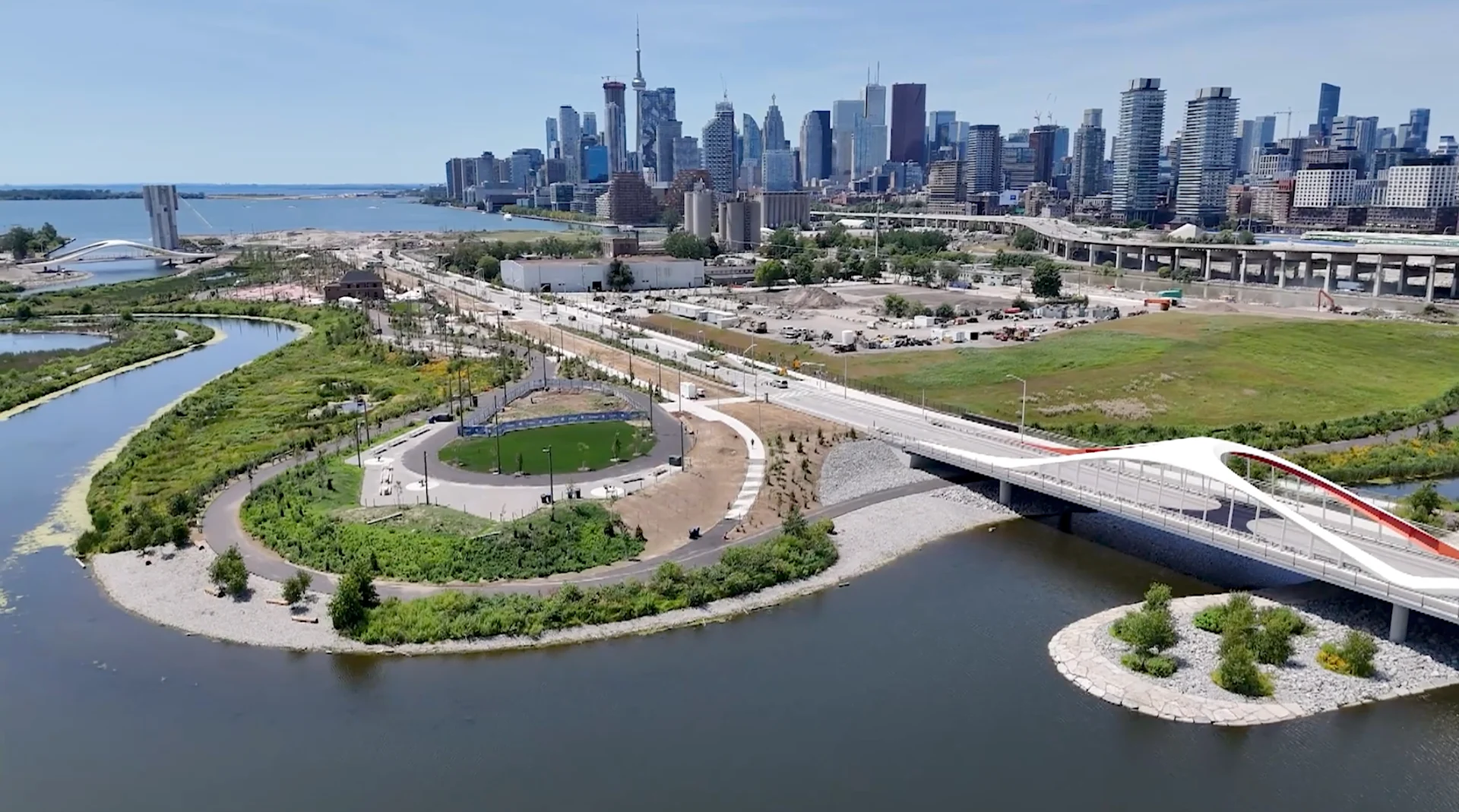
Biidaasige Park occupies a new waterfront area at the mouth of the Don River, beside Lake Ontario. It is part of a major project to protect the area from floods and improve the waterfront.
The park is part of a major project that changed the river and improved flood protection. It also created new public spaces for people to enjoy.
Its landscape brings visitors closer to the river and its natural surroundings. Walking paths, open spaces, and recreational areas give visitors room to enjoy the outdoors in a part of Toronto once used mainly for industry.
The park is opening in phases, with additional areas and features becoming available over time. Visitors should check the official project information before planning a trip, as access and facilities may change as work continues.
Biidaasige Park represents a different kind of waterfront destination: one where public recreation and climate resilience are closely connected.
Why visit: Visit a new urban park created through river restoration and flood protection as Toronto reshapes its waterfront.
7. Green Point Urban Park in Cape Town, South Africa
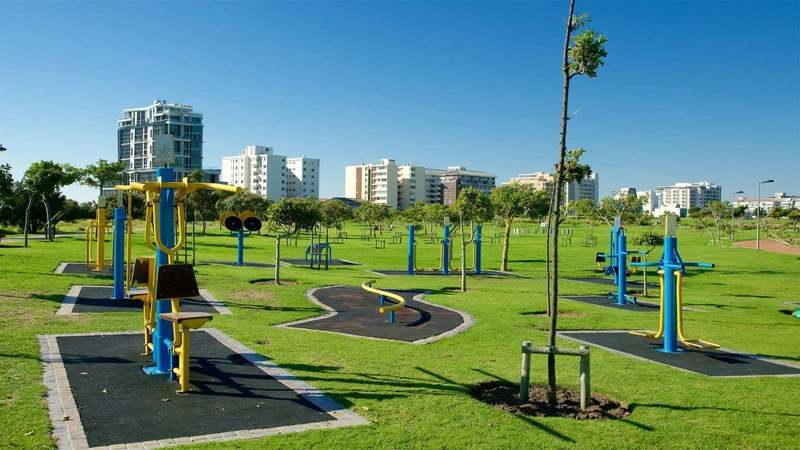
Just a short distance from Cape Town Stadium and the Atlantic Seaboard, Green Point Urban Park provides a welcome break from the busy city.
The park features landscaped gardens, walking paths, open lawns, and a biodiversity garden showcasing indigenous plants. The park offers space for exercise, family outings, picnics, and quiet breaks outdoors.
The park features a biodiversity garden with native plants, giving visitors a chance to learn about local nature and the need to protect it.
Green Point Urban Park is also close to the Mouille Point promenade and the V&A Waterfront, making it easy to include in a longer coastal walk.
Located near the Atlantic coast rather than directly along it, the park provides a convenient place to relax while visiting the waterfront district.
Why visit: Visit for its native plant displays, family-friendly spaces, and convenient location near the coast.
8. Silo Park, Auckland, New Zealand
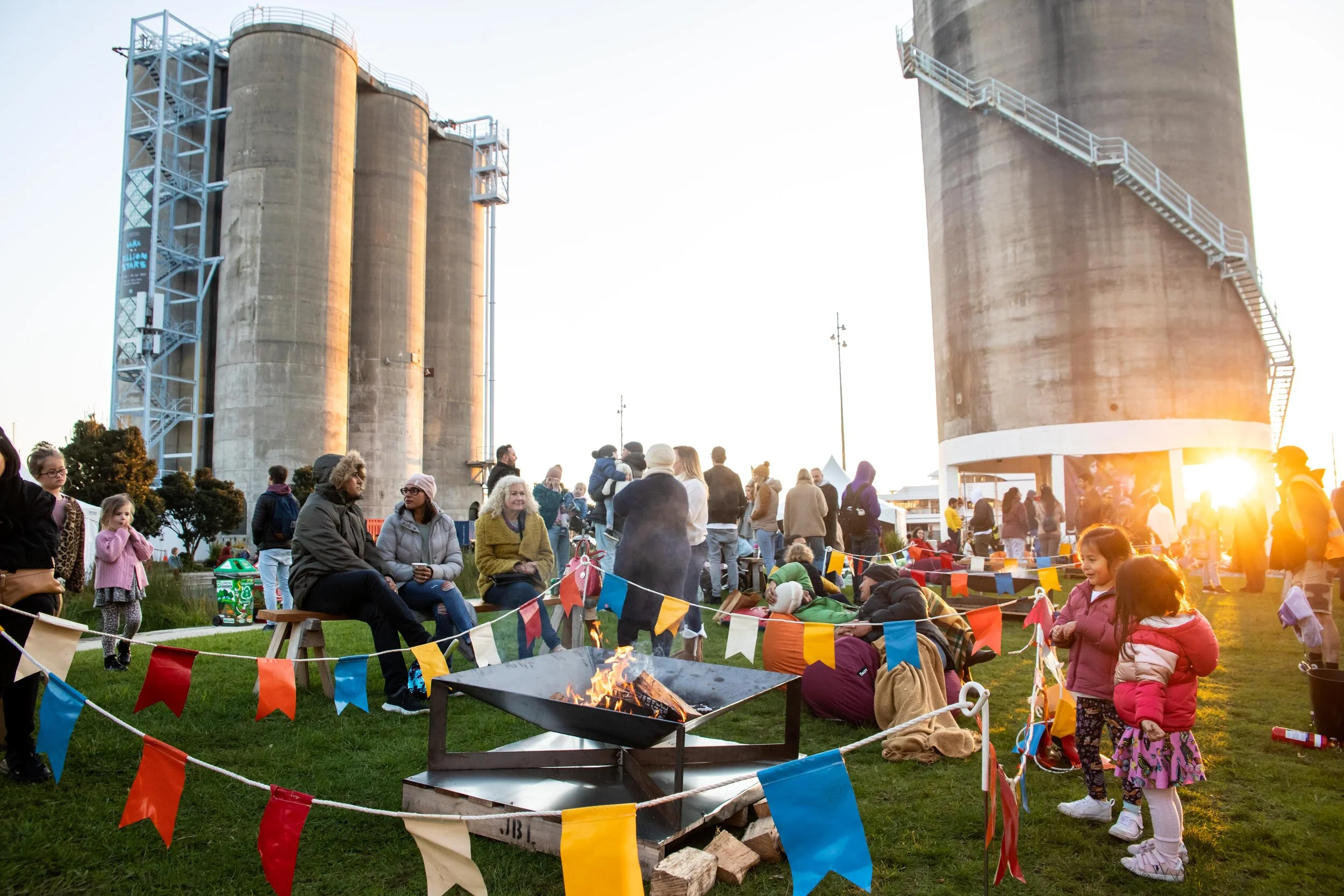
Auckland has transformed part of its former industrial port into Silo Park, a distinctive public space in Wynyard Quarter. The park combines open waterfront areas with preserved industrial structures, giving it a character that differs from more traditional landscaped parks.
Its large silos are a defining feature. The project retained historic industrial features and incorporated them into the redesigned public area. Today, the area blends its maritime and industrial past with a lively new waterfront atmosphere.
Visitors can enjoy the waterfront, take in the harbor views, and attend local events. Seasonal outdoor film screenings and community events give visitors even more reasons to stop by.
Silo Park is part of the wider Wynyard Quarter, a waterfront neighborhood with walking routes, public spaces, restaurants, and places to enjoy the harbor.
It shows how an old working waterfront can become a popular public space while keeping its character.
Why visit: For its industrial character, harbor views, public events, and relaxed atmosphere.
9. Gardens by the Bay, Singapore
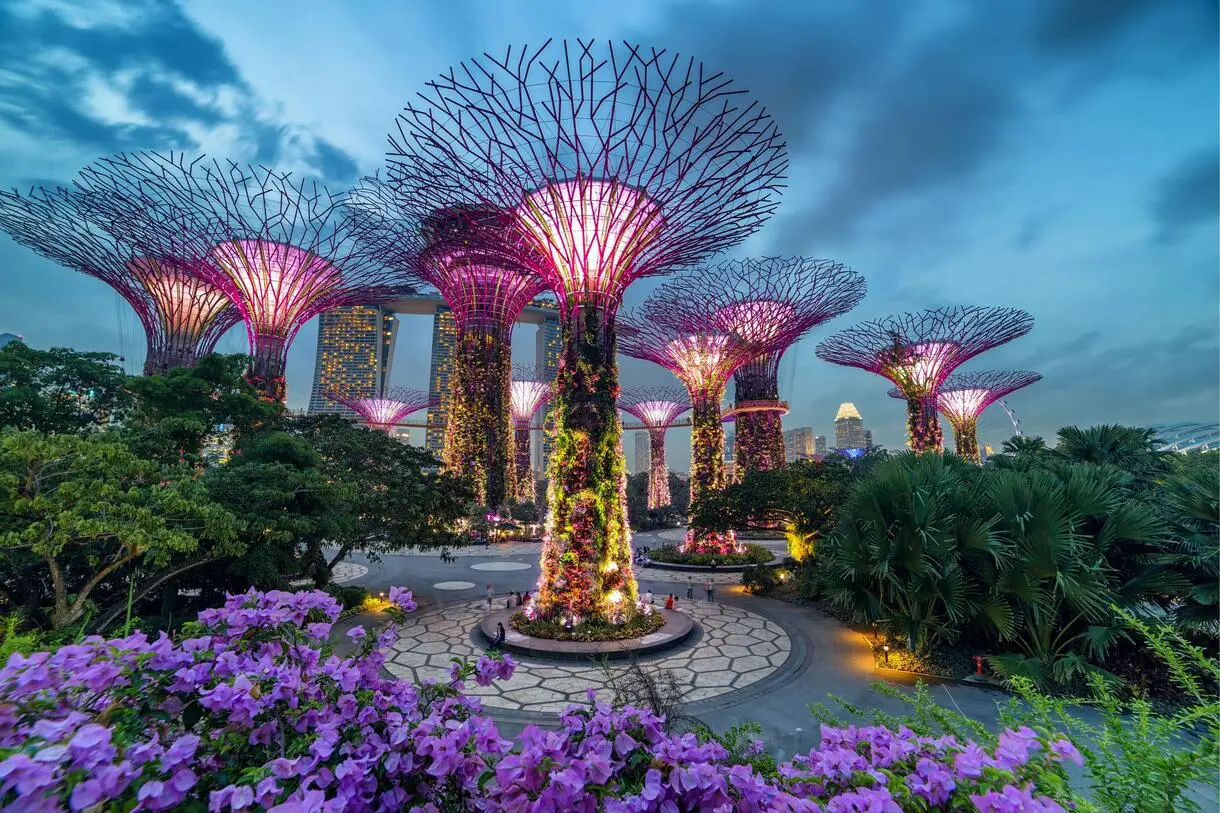
Gardens by the Bay brings together impressive garden landscapes and futuristic structures in the heart of Singapore. Located beside Marina Bay, this large garden complex combines landscaped outdoor spaces, dramatic architectural features, and indoor conservatories.
Its most recognizable feature is the Supertree Grove, where towering structures covered in vertical gardens create an extraordinary skyline. Visitors can walk among the Supertrees, enjoy the surrounding gardens, or take the elevated OCBC Skyway for views from above.
The cooled conservatories offer another experience. Cloud Forest features a dramatic indoor waterfall and lush vegetation, while Flower Dome presents plants from different regions and climates.
Not every part of Gardens by the Bay requires an admission ticket. Many outdoor areas are free to visit, so people can enjoy the gardens and waterfront without paying to enter the attractions.
The park shows how a busy city can create large green spaces and make nature an important part of urban life.
Why visit: For spectacular garden design, the Supertrees, waterfront scenery, and a mix of free outdoor spaces and indoor attractions.
10. Yamashita Park, Yokohama, Japan
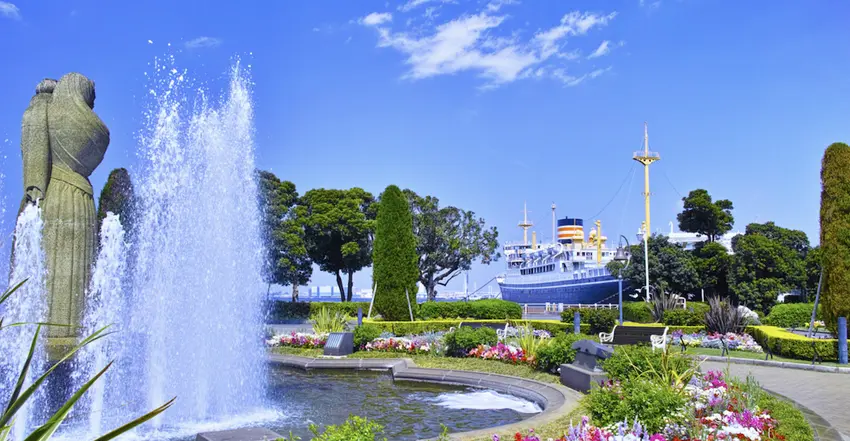
Yokohama is home to Yamashita Park, a historic seaside retreat overlooking the port. Built partly with debris from the Great Kanto Earthquake, the park reflects how Tokyo rebuilt after the disaster.
Today, it offers a pleasant combination of waterfront paths, lawns, flower beds, monuments, and harbor views. The park offers lovely harbor views, peaceful places to relax, and a rose garden worth visiting.
The garden is a particular highlight during the flowering seasons, when its rose displays add color to the waterfront landscape. Scattered throughout the park, monuments and statues offer glimpses of Yokohama and its international past.
Visitors can easily combine a walk through Yamashita Park with trips to nearby places such as Yokohama Chinatown and the historic harbor.
Unlike the grand waterfront attractions of Singapore and New York, Yamashita Park offers a quieter experience, with peaceful paths, harbor views, and a relaxed seaside atmosphere.
Why visit: For harbor views, seasonal roses, historic monuments, and a relaxing seaside walk.
What Makes a Great Waterfront Park?
A beautiful waterfront setting is only one part of what makes a park worth visiting. The best examples combine beautiful scenery with useful public facilities and a comfortable environment.
Several features help make these spaces enjoyable:
Easy access to the water
People should be able to enjoy the shoreline up close, not just see it from a distance behind barriers or buildings. Promenades, viewing areas, and accessible paths can make the water a more meaningful part of public life.
Space for different activities
Good parks offer more than one reason to visit. Walking routes, cycling paths, playgrounds, gardens, picnic areas, and open lawns help serve different age groups and interests.
A strong connection with local identity
Some parks preserve industrial structures, while others highlight native plants, maritime history, or local cultural traditions. These features give each park its own character and make it different from others.
Environmental value
These parks do more than provide places to relax and visit. They can also support local wildlife, protect habitats, and help cities deal with climate-related challenges.
Connections with the surrounding city
Parks become more useful when people can reach them easily from nearby neighborhoods, public transportation, and other attractions. This is one reason waterfront spaces are increasingly important in discussions about more livable cities.
Comparing These Waterfront Parks
| Park | City and country | What makes it special |
|---|---|---|
| Brooklyn Bridge Park | New York City, USA | Manhattan skyline views and recreational piers |
| Barangaroo Reserve | Sydney, Australia | Native plants and sandstone harbor landscapes |
| Hangang Parks | Seoul, South Korea | Extensive riverside recreation and cycling routes |
| Hudson River Park | New York City, USA | Long riverfront paths and recreational piers |
| Waterfront Park | Seattle, USA | Public art and a redesigned central waterfront |
| Biidaasige Park | Toronto, Canada | New river landscape and flood-resilient design |
| Green Point Urban Park | Cape Town, South Africa | Indigenous plants and landscaped gardens |
| Silo Park | Auckland, New Zealand | Preserved industrial structures and harbor views |
| Gardens by the Bay | Singapore | Supertrees, conservatories, and landscaped gardens |
| Yamashita Park | Yokohama, Japan | Historic seaside setting and rose garden |
Why Waterfront Parks Matter to Modern Cities
Waterfront parks are not simply attractive places for visitors. They can improve everyday urban life by giving residents more access to nature, recreation, and public gathering spaces.
These parks can reconnect neighborhoods with nearby waterways that were once difficult to reach because of industrial sites, major roads, or restricted areas.
This reflects a wider trend of cities changing how they use their waterfronts. Some have turned old industrial areas into public spaces, while others have created parks to help manage flooding and protect the environment.
The wider story is covered in 10 Cities That Have Transformed Their Waterfronts, which looks at how urban shorelines have been reshaped for public use.
The most successful parks show that waterfront development does not have to be limited to commercial buildings or private attractions. It can also create public spaces that everyone can enjoy.
Frequently Asked Questions (FAQs)
There is no single answer because beauty depends on personal preference. Gardens by the Bay in Singapore stands out for its dramatic garden architecture, while Barangaroo Reserve offers a more natural harbor setting. Brooklyn Bridge Park is especially memorable for its skyline views.
Visitors can enjoy waterfront walks at Brooklyn Bridge Park, Hudson River Park, Hangang Parks, and Yamashita Park. The best choice depends on whether you prefer a city skyline, a river landscape, or a more traditional seaside setting.
Many waterfront parks are free to enter, including Brooklyn Bridge Park, Barangaroo Reserve, and Yamashita Park. However, some attractions within larger park complexes, such as conservatories or elevated viewing walkways, may charge admission.
Cities invest in waterfront parks to improve public access, provide recreational space, support urban nature, and make neighborhoods more attractive and resilient. Some projects also help reconnect communities with shorelines that were previously used for industrial or transport purposes.
Comfortable walking shoes, drinking water, sun protection, and a camera are useful for most visits. Visitors should also check local weather, park rules, opening hours, and any temporary closures before setting out.
Sources
- Brooklyn Bridge Park — Park information and visitor guide
- Barangaroo Reserve — Official visitor information
- Seoul Metropolitan Government — Hangang Parks
- Hudson River Park — Plan Your Visit
- City of Seattle — Waterfront Park
- Waterfront Toronto — Biidaasige Park
- Cape Town Tourism — Green Point
- Auckland Council — Wynyard Quarter
- Gardens by the Bay — Official attractions and visitor information
- Yokohama Official Visitors Guide — Yamashita Park
Note: Park facilities, access arrangements, events, and opening hours can change. Check official visitor information before travelling. Biidaasige Park is opening in phases, so some facilities and areas may still be changing.