

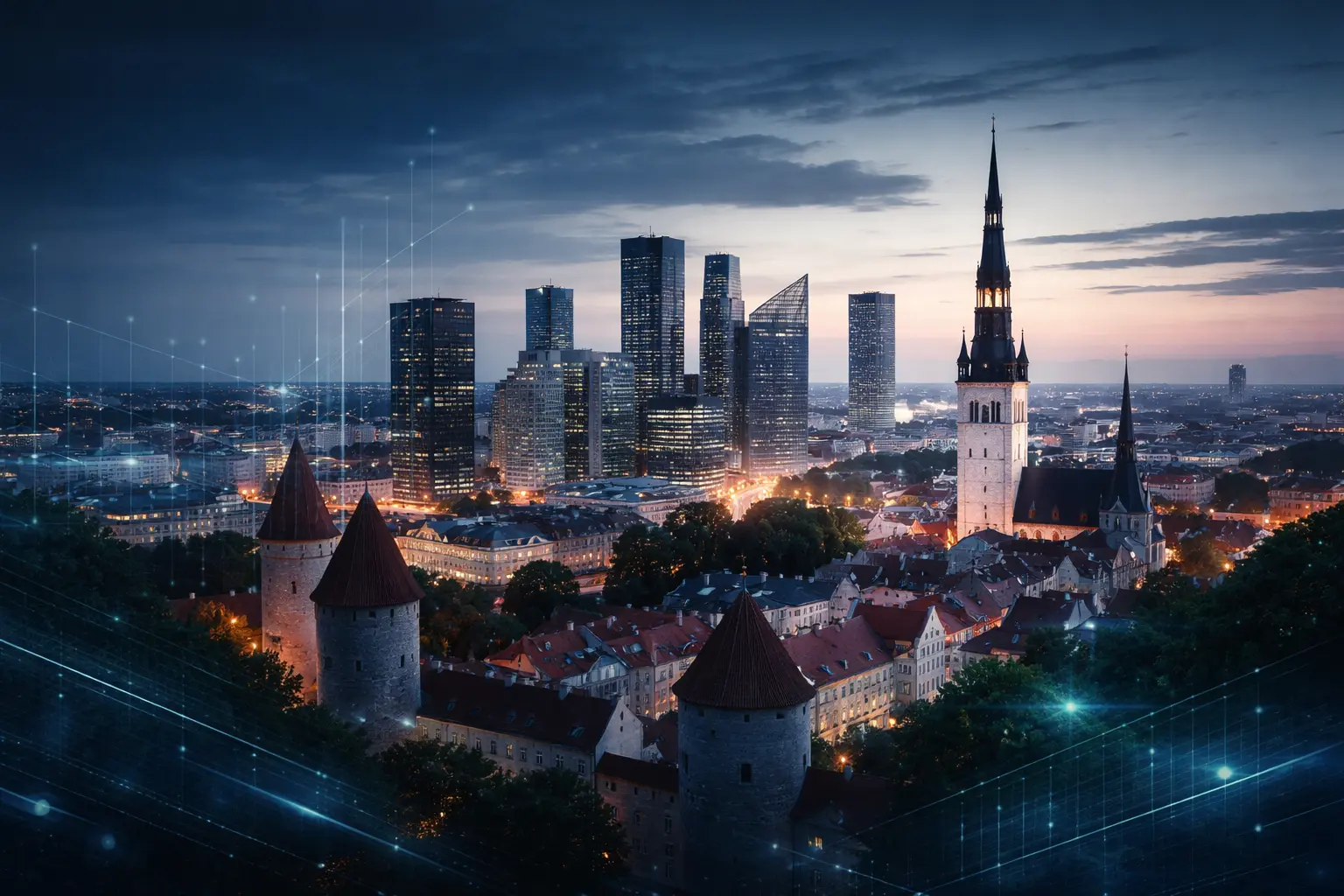
Estonia is recognized worldwide for its pioneering digital infrastructure.
Behind the facade of innovation and efficiency lie hidden challenges that often go unreported.
Economic strains and demographic changes demonstrate that even the most modern nations encounter real challenges.
According to the OECD and the International Monetary Fund, Estonia has experienced slower growth and inflation pressures in recent years, despite its strong digital economy.
A closer look at the forces shaping Estonia today
Sluggish Economic Growth
Economic growth in Estonia is occurring, but progress remains slow.
Estimates from the International Monetary Fund indicate that growth has remained modest during periods of weak global demand.
Weak external demand and limited domestic spending constrain businesses and job creation.Persistent Inflation
High prices, especially for energy and consumer goods, have reduced household purchasing power.
Data from Eurostat shows that Estonia has experienced some of the highest inflation rates in the eurozone in recent years.
Inflation remains a key challenge for everyday living costs.Fiscal Pressures
As defence spending rises and social programs expand, Estonia faces mounting budgetary challenges.
Without careful planning, public finances could face imbalances.
A detailed analysis of Hungary’s structural challenges, including inflation pressure, demographic decline, foreign industrial dependence, and productivity gaps.
👉 The 10 Biggest Problems in HungarySkills Mismatch in the Labour Market
Companies often struggle to recruit staff with the right expertise.
A mismatch between education and labor market needs often slows overall productivity growth.Small Domestic Market
With just over 1.3 million people, Estonia’s local market is limited.
Heavy reliance on exports makes businesses vulnerable to fluctuations in global demand.Export Vulnerability
The export-focused economy, heavily reliant on international trade, is vulnerable to geopolitical and trade disruptions.
Industries dependent on external markets face constant uncertainty.Productivity Challenges
Wage growth has at times outpaced productivity, weakening cost competitiveness.
It lowers competitiveness and makes it more difficult for Estonian businesses to expand globally.Housing and Living Costs
High housing prices and overall living costs have become a burden for households.
Many families struggle with affordability despite moderate wages.Demographic Pressures
An ageing population could create long-term labour and fiscal challenges.
According to the World Bank, demographic trends in Estonia point toward a shrinking workforce over time.
Pension sustainability is a concern for future generations.Digital Risks
The country is a pioneer in digital governance on the international stage.
But heavy reliance on technology also exposes the country to cyber threats and infrastructure risks.
Summary Table
| Economic Growth | Limited job creation and wage growth |
| Inflation | Lower household purchasing power |
| Fiscal Pressures | Potential budget imbalances |
| Skills Mismatch | Slowed productivity |
| Small Market | High export reliance |
| Trade Risks | Economic Instability |
| Productivity | Reduced competitiveness |
| Housing & Costs | Affordability pressure |
| Demographics | Labour shortages and pension strain |
| Digital Risks | Cybersecurity and infrastructure vulnerability |
Frequently Asked Questions (FAQs)
What is the growth rate of the economy in Estonia?
Yes, but growth is modest and sensitive to global demand.
Why is inflation high in Estonia?
Energy costs and consumption taxes have raised prices for households.
Are there labour shortages?
Yes — Skilled sectors are especially affected, which hampers business growth.
How does a small population affect the economy of Estonia?
A limited domestic market increases dependence on exports.
Are living costs a major problem?
High housing and general expenses strain many households.
What risks are associated with the digital focus in Estonia?
Yes — Advances in digital leadership improve efficiency—but increase cyber exposure.