
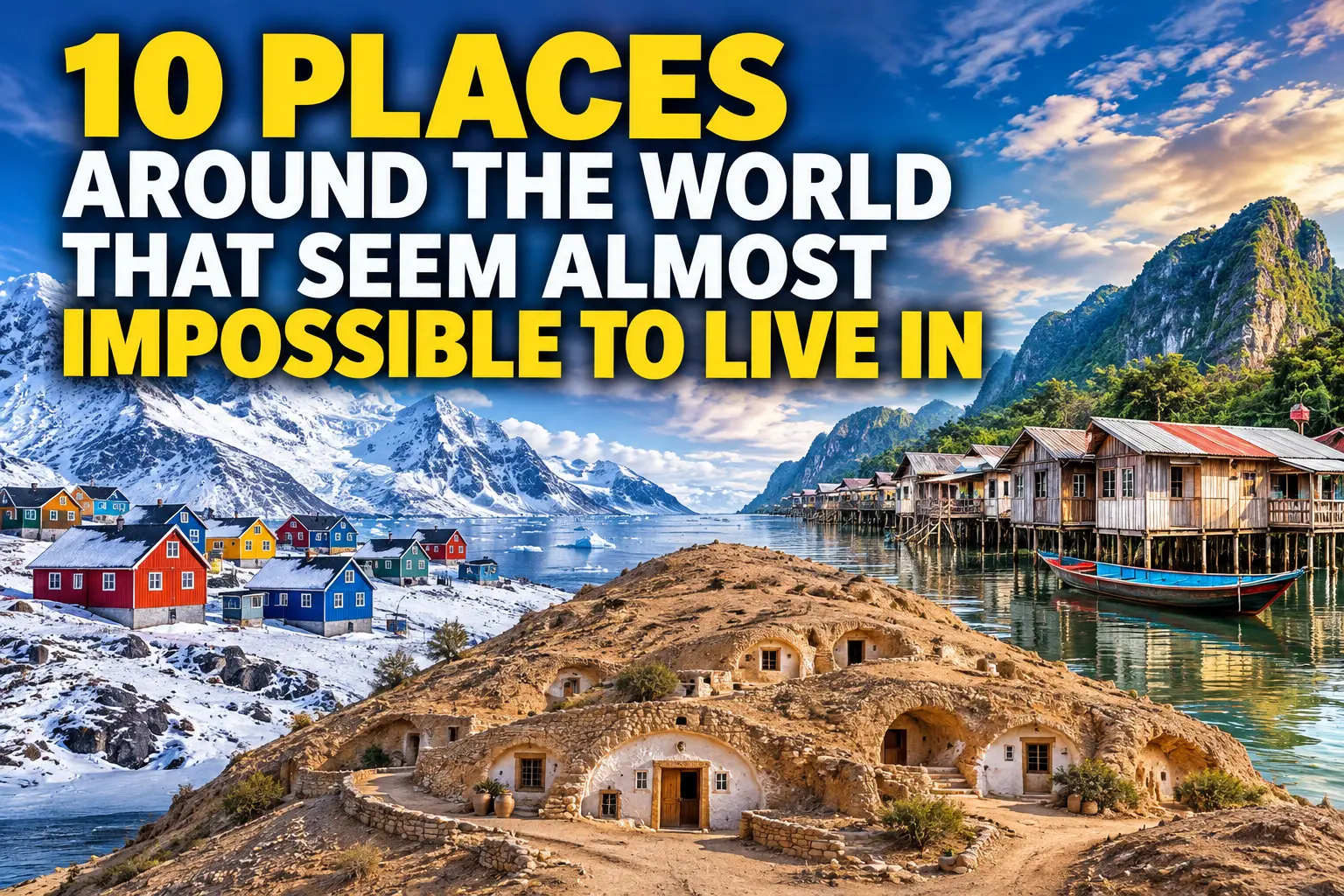
Imagine waking up in a town where temperatures can fall below minus 60 degrees Celsius. Or living thousands of metres above sea level, where even walking a short distance can leave you breathless.
For most people, these environments might seem unsuitable for everyday life. Yet communities around the world have built homes, established livelihoods, and developed ways to adapt to extraordinary surroundings.
Some live in places surrounded by ice and snow. Others live within unusual rock formations, underground, or on lakes, relying on boats to travel between homes and nearby communities.
What makes these places remarkable is not simply their unusual appearance. It is the people who have made them home.
If you enjoy unusual destinations and remarkable transformations, you may also like 10 Abandoned Places That Have Been Given a Second Life.
Here are 10 places around the world where everyday life presents challenges that many people would find difficult to imagine.
1. La Rinconada, Peru
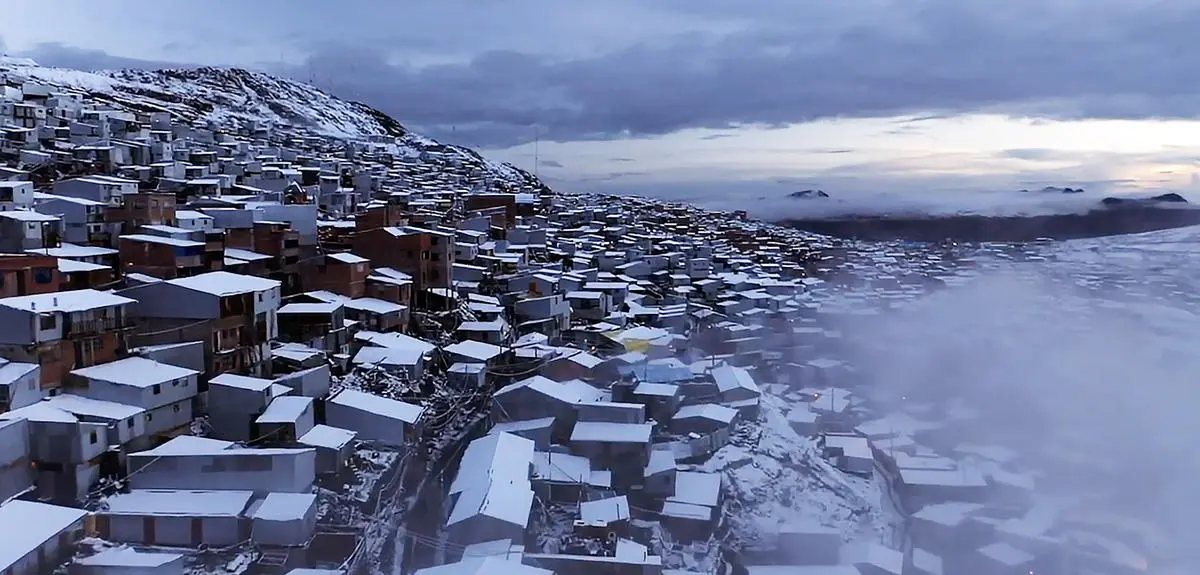
La Rinconada is a high-altitude settlement in the Peruvian Andes, situated approximately 5,100 metres above sea level. Its extreme elevation makes it the world’s highest permanently inhabited community.
At this elevation, atmospheric pressure is much lower than at sea level. Although oxygen still makes up approximately 21% of the air, each breath delivers less oxygen to the body. Even simple activities, such as walking uphill, can become physically demanding, particularly for people who are not accustomed to the altitude.
Despite these conditions, thousands of people have settled in the area because of its gold-mining opportunities.
The town developed around mining activities on Mount Ananea. Its rapid growth created serious challenges for infrastructure and public services. NASA has reported that the settlement lacks running water, a sewage system, and regular garbage disposal.
Life here is closely connected to the mining industry. For those who depend on gold mining, the hope of finding valuable deposits can make even the harshest living conditions worth enduring.
The settlement shows how the search for work and income can bring people to places with challenging living conditions.
What makes it remarkable: A permanent settlement at approximately 5,100 metres, where thin air and limited infrastructure make everyday life unusually demanding.
2. Oymyakon, Russia
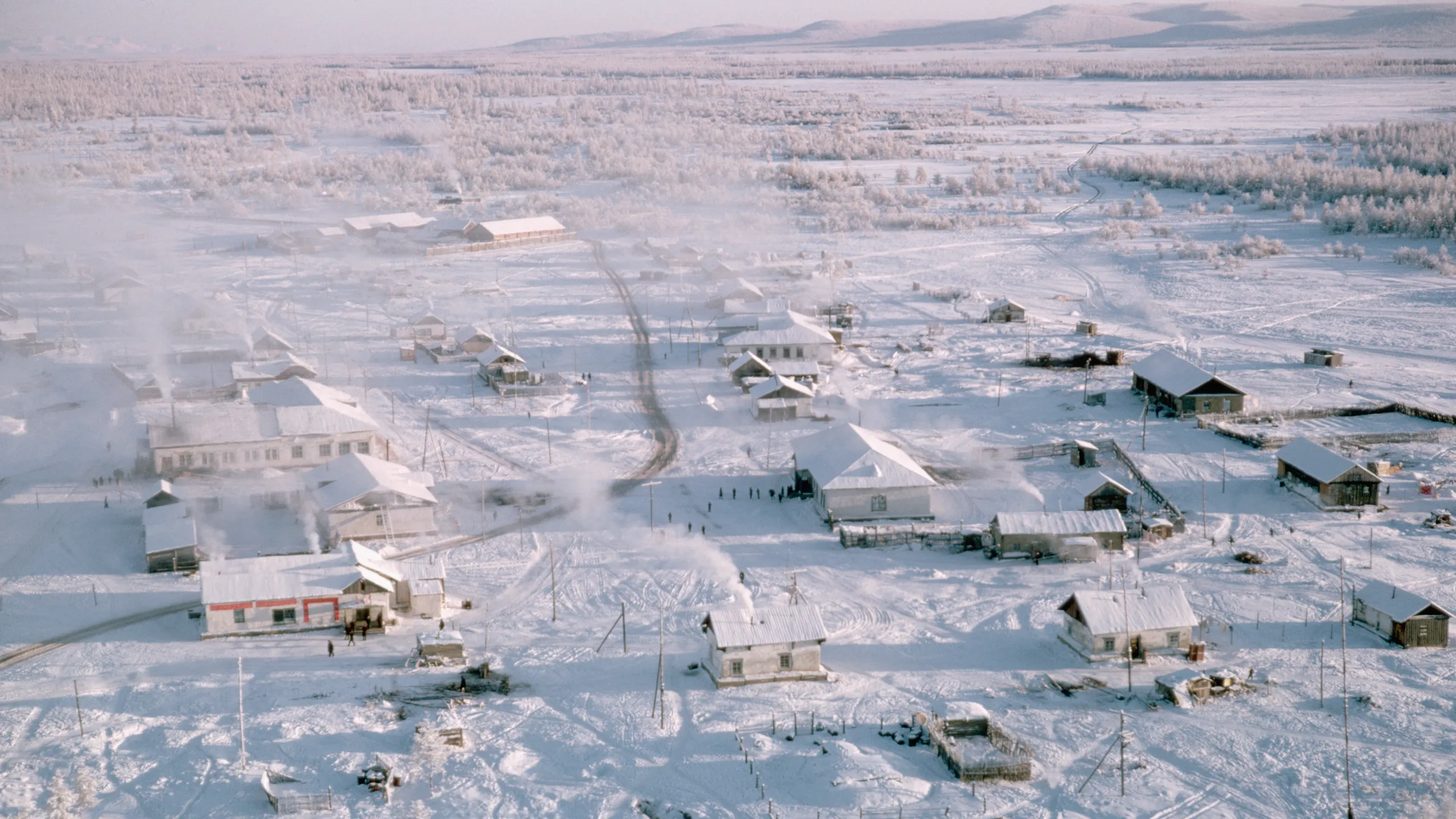
Oymyakon, located in the Sakha Republic of northeastern Russia, is famous for its extraordinary winter temperatures.
The settlement recorded a temperature of minus 67.7°C in 1933, placing it among the coldest inhabited settlements ever recorded. Verkhoyansk, another settlement in northeastern Russia, has also recorded a similarly extreme temperature.
At these temperatures, outdoor activities become difficult and potentially dangerous. Prolonged exposure to extreme cold can interfere with vehicle operation, damage household equipment, and disrupt water systems.
Yet Oymyakon remains home to a small community.
Residents have adapted their everyday routines to the climate. Warm clothing, insulated buildings, and careful preparation are essential parts of daily life.
The region also experiences significant seasonal differences. Summers can be surprisingly warm, despite the extreme winter conditions.
For visitors, the settlement offers a rare opportunity to experience one of the coldest inhabited environments on the planet. However, travelling there requires serious preparation and an understanding of the local climate.
What makes it remarkable: A community that continues to live in a place where winter temperatures can reach levels that most people rarely experience.
3. Coober Pedy, Australia
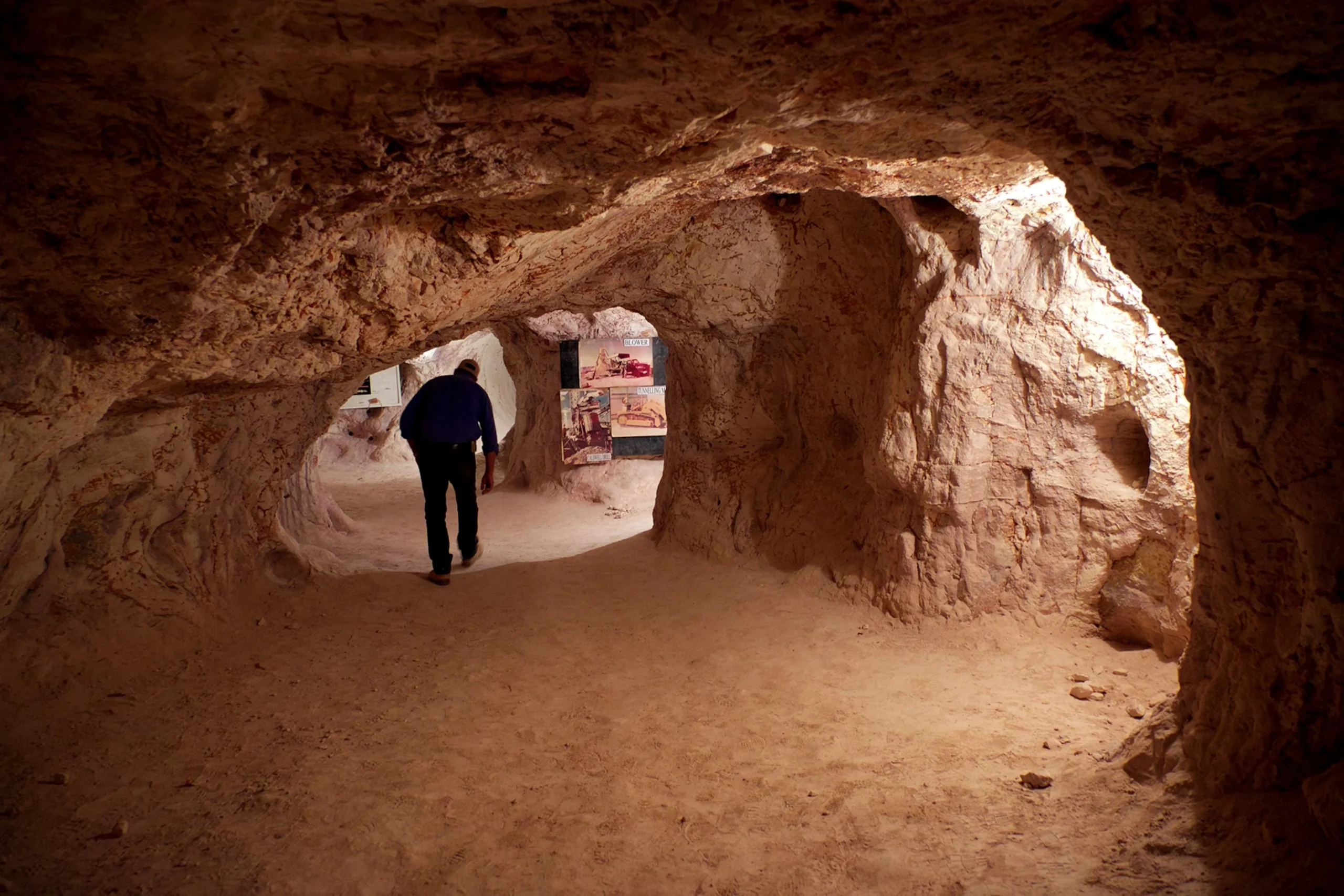
At first glance, Coober Pedy looks like an ordinary mining town surrounded by a dry and rocky desert landscape.
Yet, many people in the area live underground.
Located in South Australia, Coober Pedy is known for its opal mining industry and underground homes, commonly called dugouts.
The region experiences extremely hot summers, making conventional above-ground housing less comfortable. One advantage of living underground is the ability to maintain relatively stable temperatures indoors.
Some underground homes include bedrooms, kitchens, living areas, and other facilities found in conventional houses.
The unusual architecture developed alongside the local opal-mining industry. Residents discovered that excavating the surrounding rock could provide both valuable mining opportunities and suitable spaces for homes.
Today, Coober Pedy has become one of Australia’s most distinctive settlements. Visitors can explore underground accommodation, churches, and other unusual buildings.
It is an excellent example of how people can adapt architecture to the natural environment rather than simply trying to overcome it.
What makes it remarkable: Many residents live underground to escape the intense desert heat.
4. Longyearbyen, Svalbard, Norway
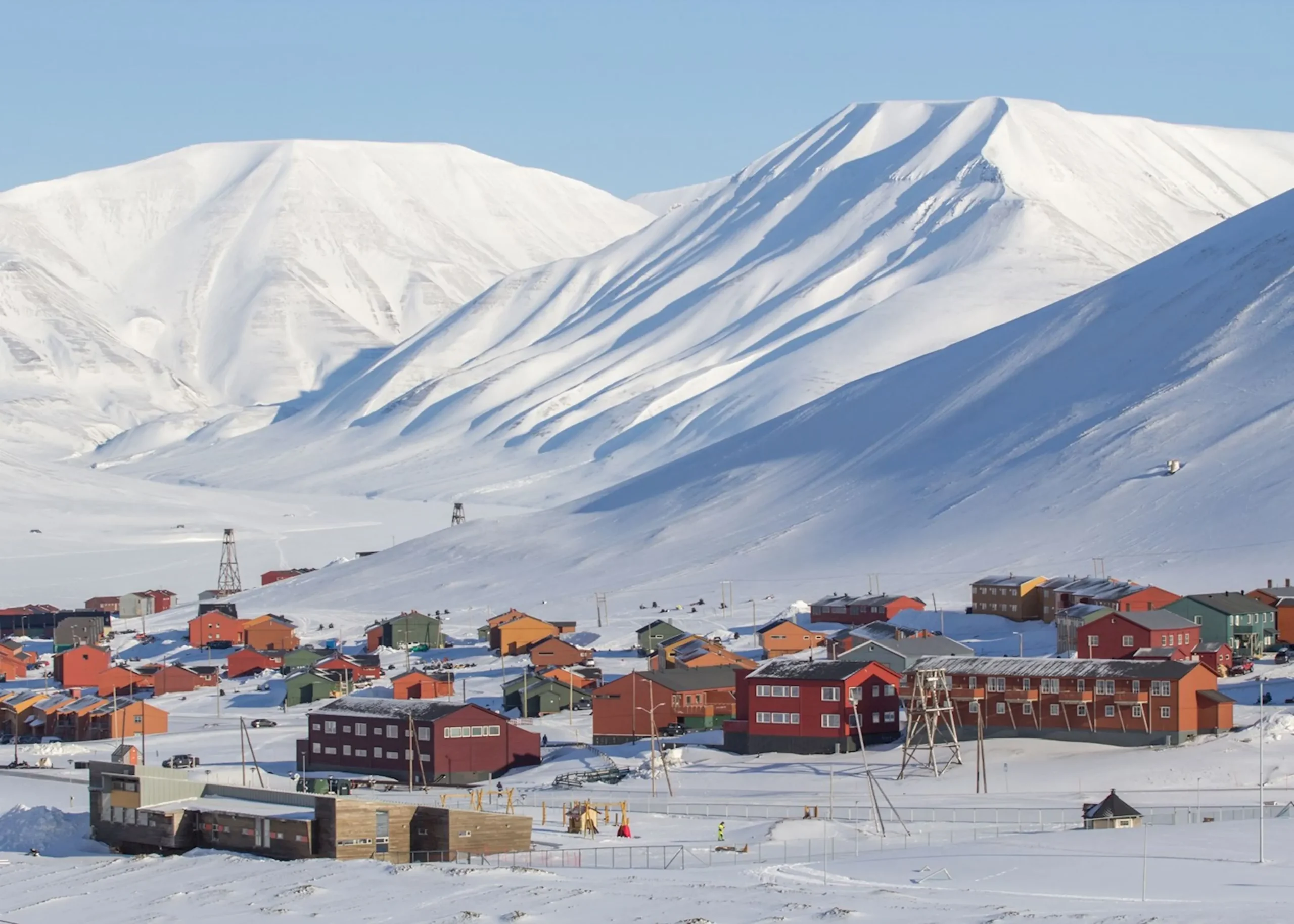
Few settlements with more than 1,000 permanent residents are located as far north as Longyearbyen, deep within the Arctic region.
The town sits in a remote part of Svalbard, surrounded by mountains, glaciers, and wide stretches of wilderness.
One of its most unusual features is the polar night. During part of the winter, the sun does not rise above the horizon for several months.
The absence of ordinary daylight changes daily routines. Residents use artificial lighting, headlamps, and other practical measures to manage the long period of darkness.
The environment also presents challenges beyond the weather. Polar bears inhabit the surrounding wilderness, so people must take special precautions when travelling outside the settlement.
Despite these conditions, Longyearbyen has schools, shops, restaurants, research facilities, and other services that support everyday life.
Tourism and scientific research have also become important parts of its economy.
For many residents, the unusual seasons and Arctic surroundings are part of what makes the community special.
What makes it remarkable: A functioning town where residents experience months of polar darkness and live close to Arctic wildlife.
For readers interested in experiencing cold-weather destinations, our guide to 10 Best Countries to Visit in Winter highlights countries with remarkable winter landscapes and seasonal attractions.
5. Aogashima, Japan
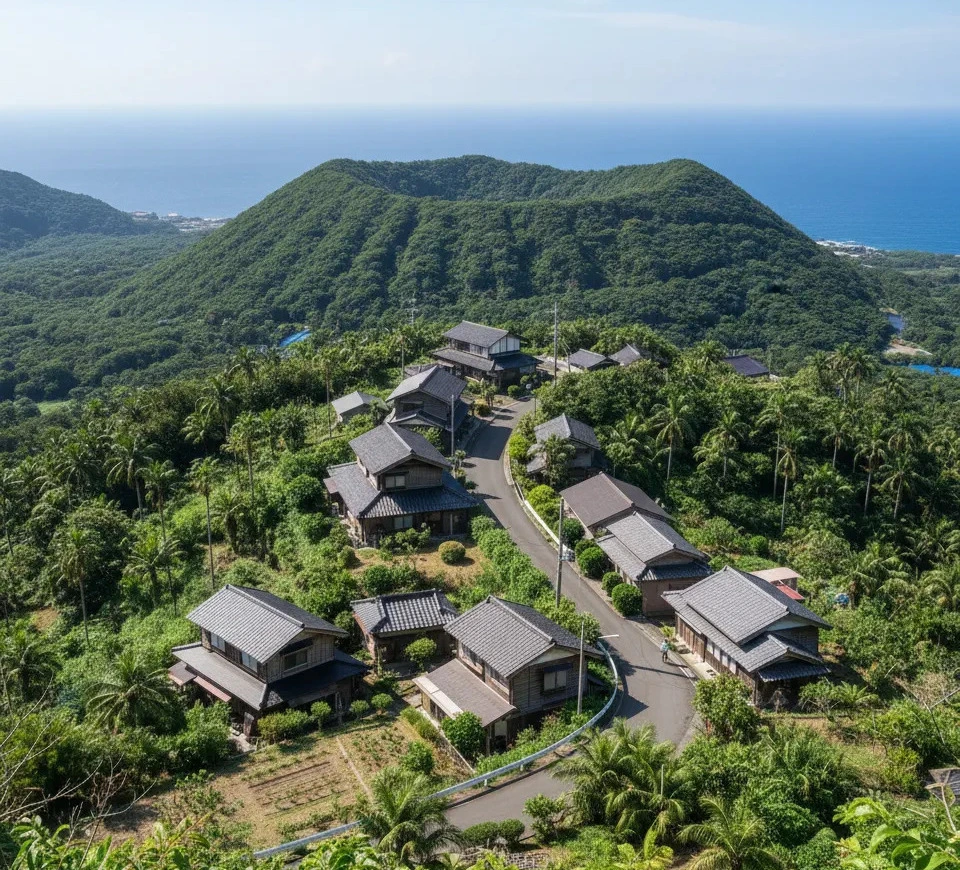
Aogashima is a small volcanic island located approximately 358 kilometres south of central Tokyo.
What makes it particularly unusual is its geography. The island features a large volcanic crater containing a smaller volcanic formation.
A small community lives on this remote volcanic island, surrounded by cliffs and the Pacific Ocean.
According to Tokyo Metropolitan Government information, Aogashima has around 160 residents. Reaching the island requires travelling through the neighbouring island of Hachijojima before continuing by ferry or helicopter.
Compared with larger Japanese communities, the island has fewer facilities and services. Accommodation options are limited, while transportation may be disrupted by unfavourable weather.
Beneath Aogashima’s striking landscape lies a history of volcanic disruption. A major eruption in 1785 killed many residents and forced survivors to evacuate to Hachijojima. The island remained uninhabited for approximately 50 years before people gradually returned.
Today, the island is known for its extraordinary scenery, quiet atmosphere, and unusual settlement.
What makes it remarkable: A small community living on a remote volcanic island formed by an unusual double-caldera structure.
6. Ganvié, Benin
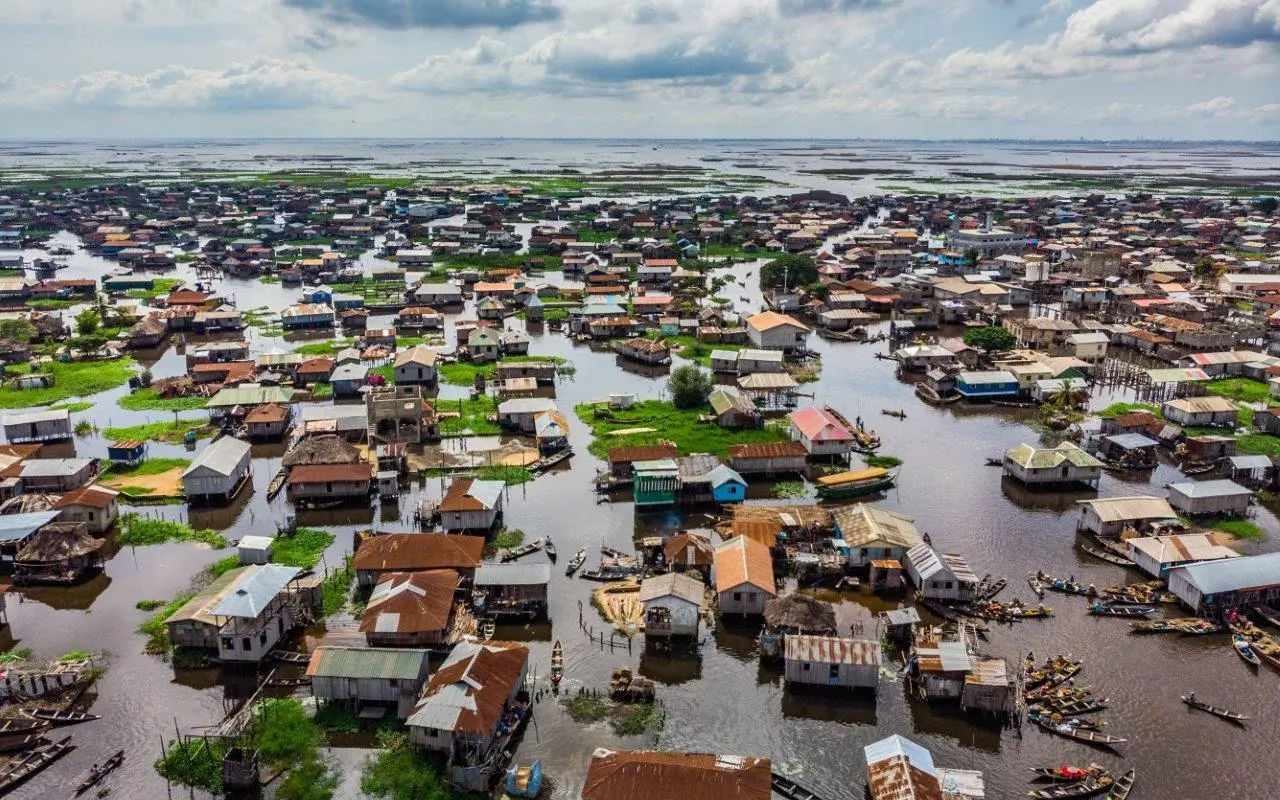
Rising above Lake Nokoué in southern Benin, Ganvié is a remarkable community shaped by life on the water.
Instead of ordinary streets and roads, the village has thousands of stilt houses connected by waterways.
Canoes and small boats are central to everyday transportation. Residents use them to travel between homes, markets, schools, and other community facilities.
The village dates back to the 17th or 18th century, when the Tofin people established a settlement on the lake. Historical accounts describe the community as having sought refuge from slave raiders who were less able to pursue people across the water.
Over generations, the community developed a way of life closely connected to fishing, trade, and the surrounding lake.
Today, Ganvié remains one of West Africa’s most distinctive lake settlements.
Visitors can see its floating markets, traditional fishing activities, and houses built above the water. The settlement is not merely a tourist attraction but a functioning community with permanent residents.
What makes it remarkable: An entire settlement where waterways take the place of ordinary streets and boats are essential to everyday life.
7. Supai, Arizona, USA
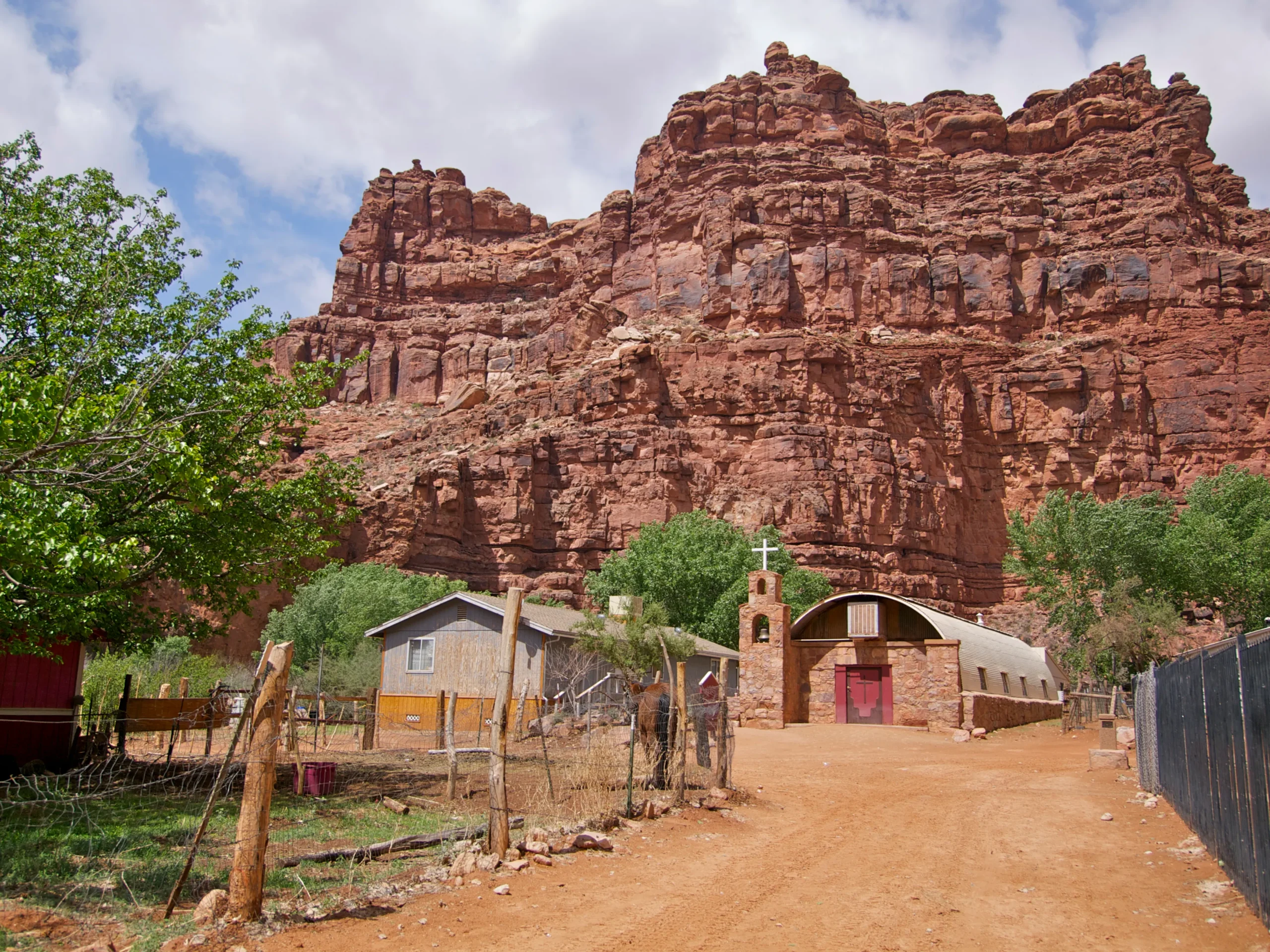
Supai is a remarkably remote community located deep inside Arizona’s Havasu Canyon.
The village is home to the Havasupai people and lies within the Havasupai Tribe Reservation near the Grand Canyon.
One of its most distinctive features is its limited road access. Supai stands apart from most American communities because it has no direct road access.
Reaching the village generally requires an approximately eight-mile hike from Hualapai Hilltop. Helicopter transportation may also be available, depending on arrangements and conditions.
Its remote canyon setting makes it difficult to transport goods and bring essential supplies into the village.
The community has maintained its connection with the land and water over generations. Nearby waterfalls and turquoise pools have also made the area famous among visitors.
The Havasupai Tribe controls access to Supai and the surrounding area. Entry requires reservations and permits, and access may be suspended when flooding or trail conditions create safety concerns.
Supai demonstrates how geographical isolation can shape communities that remain largely disconnected from modern road infrastructure.
What makes it remarkable: A community inside a canyon that has no ordinary road access and depends on carefully managed transportation.
8. Mawsynram, India
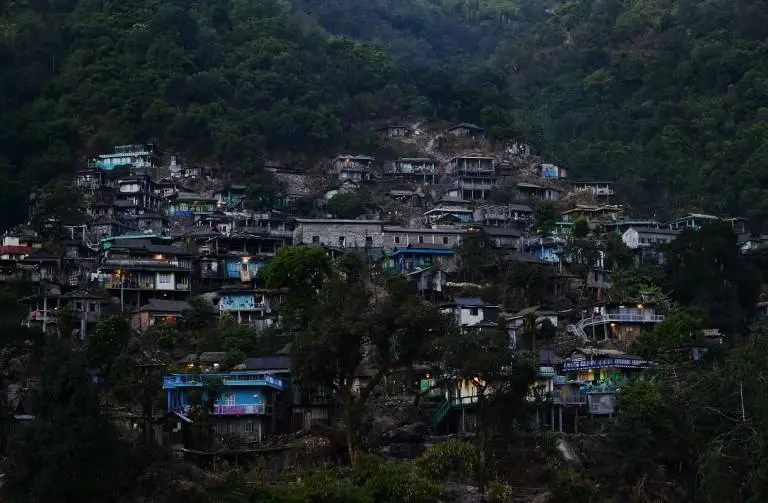
Mawsynram, located in the East Khasi Hills of Meghalaya, is famous for receiving extraordinary amounts of rainfall.
The village records approximately 11,872 millimetres of rainfall annually, according to the Meghalaya government. It is widely reported as one of the wettest places on Earth, although official records and comparisons with nearby Sohra (Cherrapunjee) have varied.
The region’s geography plays an important role. When moist monsoon air reaches the Khasi Hills, the hills push it upward, causing heavy rain.
For residents, the climate shapes daily routines, transportation, and the surrounding environment.
The area is known for its lush vegetation, caves, waterfalls, and unusual rock formations. Its natural scenery also makes it an appealing destination for visitors exploring Meghalaya.
The heavy rainfall contributes to the region’s scenic beauty, but it also makes travel and outdoor activities highly dependent on weather conditions.
Mawsynram shows how communities can develop in environments where rain is not an occasional event but a defining feature of daily life.
What makes it remarkable: A village where extraordinary rainfall shapes the landscape and influences everyday living.
9. Tristan da Cunha, South Atlantic Ocean
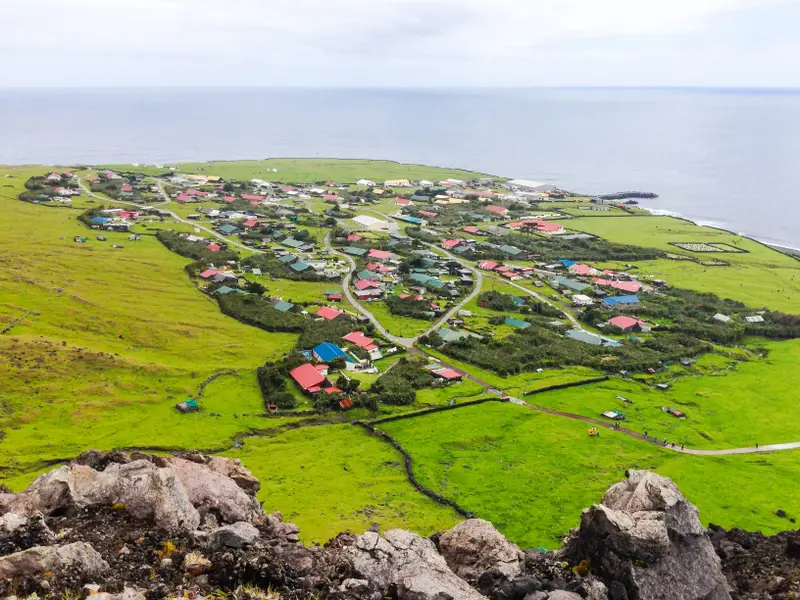
Few inhabited island communities are as remote as Tristan da Cunha, which lies far from major settlements and transportation routes.
Located in the South Atlantic Ocean, the volcanic island lies approximately 2,800 kilometres from South Africa.
Its isolation is immediately apparent. The island has no airport, and access depends on infrequent ship connections.
For residents, this creates practical challenges involving transportation, supplies, healthcare, and communication with the outside world.
The community has developed a largely self-reliant way of life. Farming, fishing, and local economic activities help support its population.
The surrounding landscape is equally remarkable. Steep volcanic slopes rise above the ocean, while the island supports unique wildlife and natural habitats.
Despite its isolation, Tristan da Cunha has a functioning community with its own local administration and established traditions.
For travellers, reaching the island requires careful planning and considerable patience. Access is possible only by boat, with limited spaces on scheduled fishing and supply vessels travelling from Cape Town. The voyage can take up to a week, and bad weather may cause further delays.
What makes it remarkable: A permanently inhabited island community separated from major population centres by thousands of kilometres of ocean.
10. Kandovan, Iran
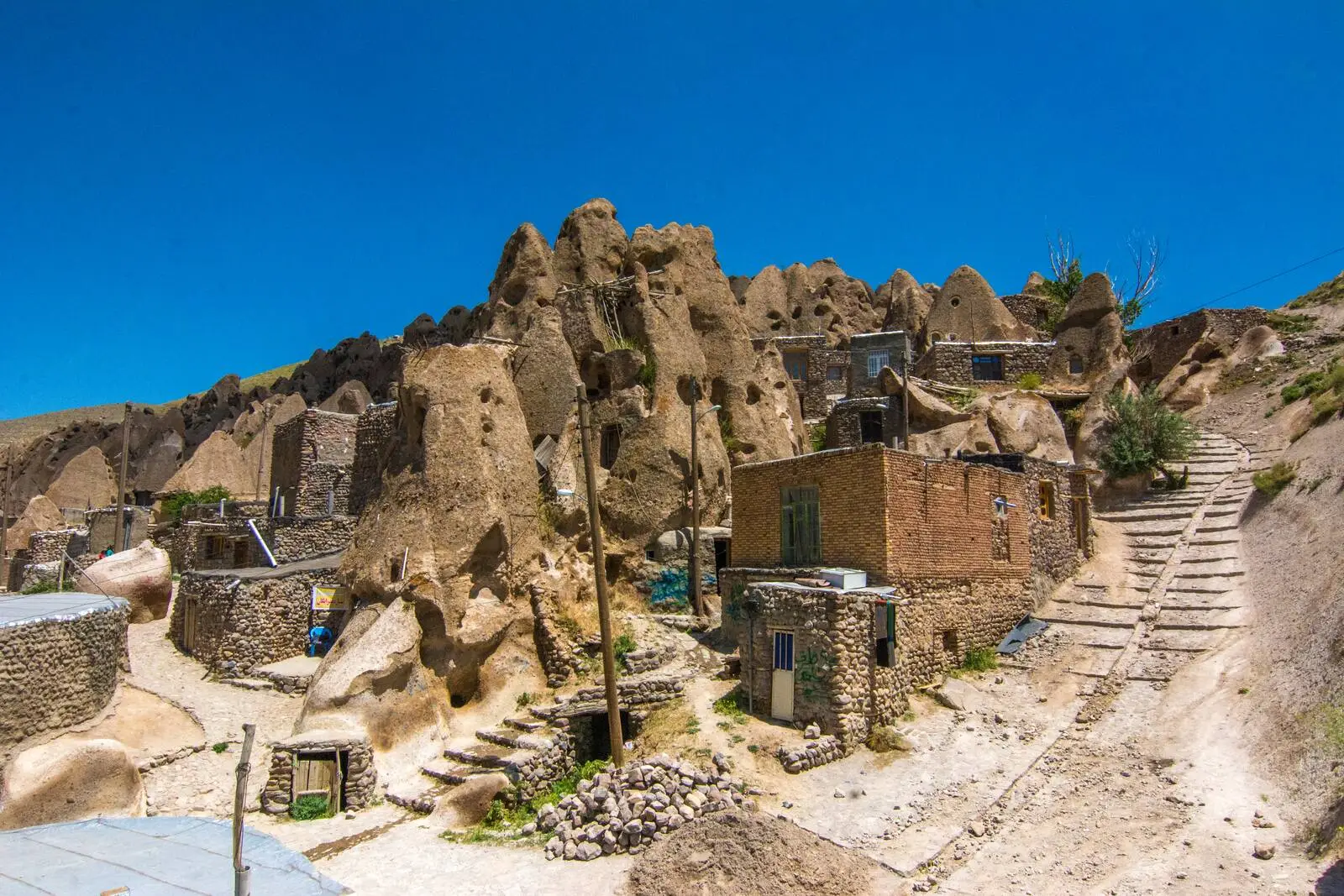
Kandovan is a village in northwestern Iran known for its extraordinary cone-shaped rock formations.
Unlike ordinary settlements, many of its homes are carved directly into unusual natural rock formations.
The distinctive structures developed through geological processes and natural erosion. Over generations, residents shaped parts of these formations into living spaces.
Some houses contain rooms, kitchens, and other domestic facilities carved into the rock.
Kandovan is particularly remarkable because it remains an inhabited rocky village. According to UN Tourism, it is one of the few settlements of its kind where people continue to live in these unusual homes.
The rock structures also give the village a distinctive appearance. From a distance, the formations resemble a collection of natural towers rising from the surrounding landscape.
Tourism brings additional income and supports efforts to preserve the village’s historic buildings.
Kandovan shows how people have used the landscape to create homes that are both useful and visually unique.
What makes it remarkable: A living village where homes have been carved into unusual natural rock formations.
What Makes These Places So Difficult to Live In?
These ten locations face very different challenges, but several common factors help explain why everyday life can be difficult.
Extreme temperatures
Places such as Oymyakon and Longyearbyen experience severe cold and long periods of darkness. Coober Pedy faces the opposite challenge, with intense desert heat.
Difficult geography
La Rinconada sits at an extraordinary altitude, while Supai is located deep inside a canyon. Steep volcanic cliffs and open ocean waters surround the island of Aogashima.
Limited transportation
Remote communities such as Tristan da Cunha and Aogashima depend on limited transportation connections. Residents must plan carefully when bringing in supplies or accessing services outside the community.
Unusual natural conditions
Ganvié depends heavily on its lake environment, while Mawsynram experiences extraordinary rainfall that influences the surrounding landscape and daily activities.
Architecture shaped by the environment
Coober Pedy and Kandovan demonstrate how communities have adapted their homes to unusual geological and climatic conditions.
Comparing the 10 Unusual Places
| Place | Main challenge | What makes it unusual |
|---|---|---|
| La Rinconada, Peru | Extreme altitude | Highest permanent settlement |
| Oymyakon, Russia | Extreme cold | Very low winter temperatures |
| Coober Pedy, Australia | Desert heat | Underground homes |
| Longyearbyen, Norway | Polar darkness | Months without ordinary daylight |
| Aogashima, Japan | Volcanic geography | Settlement on a double-caldera island |
| Ganvié, Benin | Water-based living | Homes built on stilts |
| Supai, USA | Limited road access | Canyon community |
| Mawsynram, India | Extreme rainfall | Exceptionally wet climate |
| Tristan da Cunha | Geographic isolation | Remote inhabited island |
| Kandovan, Iran | Rocky terrain | Homes carved into natural rock formations |
Why Do People Choose to Live in Such Challenging Places?
People do not always choose where they live based on convenience.
For some communities, their homes are connected to generations of family history, cultural identity, and traditional ways of life.
Others remain because their surroundings provide economic opportunities. Mining has supported settlements such as La Rinconada and Coober Pedy, while fishing and local trade remain important to communities such as Ganvié.
Geography can also shape a community’s identity. The people of Supai remain closely connected to their ancestral land, while Tristan da Cunha residents have developed a way of life shaped by their island’s isolation.
These places show that human settlement is not limited to comfortable climates or easily accessible landscapes.
Frequently Asked Questions (FAQs)
There is no single answer because living conditions depend on several factors. La Rinconada faces extreme altitude, Oymyakon experiences severe winter cold, and Tristan da Cunha faces extraordinary geographic isolation.
Oymyakon is widely recognized as one of the coldest permanently inhabited places on Earth. Its temperature dropped to −67.7°C in 1933. Verkhoyansk has also recorded the same temperature, although the historical measurement has been disputed.
Yes. Many Coober Pedy residents live in homes built underground, known as dugouts. These homes help keep indoor temperatures more stable during summer.
In southern Benin, Ganvié is widely recognized for its distinctive location on Lake Nokoué. Its houses stand on stilts, and boats are essential for transportation.
Some are open to visitors, but access varies. Aogashima, Coober Pedy, and Longyearbyen receive visitors, while Supai requires permits and reservations. Tristan da Cunha requires much more extensive travel planning and advance permission.
People remain for many reasons, including family connections, cultural traditions, employment, economic opportunities, and a strong sense of belonging to their communities.
Sources
- NASA Earth Observatory — The Highest Settlement in the World
- Guinness World Records — Lowest Temperature in an Inhabited Place
- NASA Earth Observatory — Keeping It Cool in the Outback
- Visit Svalbard — Longyearbyen
- Tokyo Metropolitan Government — Aogashima
- Smithsonian Institution — Global Volcanism Program: Aogashima Volcano
- Benin National Tourism Promotion Agency — Ganvié
- U.S. National Park Service — Havasupai Tribe Reservation
- UK Government — Tristan da Cunha Travel Advice
- UN Tourism — Kandovan
Note: Climate records, transportation arrangements, visitor access, and local conditions can change. Check official information before planning a visit.