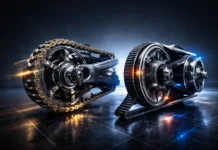


The Yamaha NMAX is one of the most popular maxi-scooters worldwide.
Newer models are generally reliable, but owners should be aware of some recurring issues.
This guide highlights the most common Yamaha NMAX issues and offers practical solutions to keep your scooter running smoothly, safely, and enjoyably.
Solve the Most Common Yamaha NMAX Problems with Ease
CVT Belt Wear and Noise
What Riders Report
• Whining or vibrating sounds from the CVT area
• Slight reduction in smooth acceleration over time
Why It Happens
The CVT belt naturally wears out, especially in stop-and-go traffic or heavy use.
How to Fix It
• Inspect the belt every 6,000–8,000 km
• Replace with genuine Yamaha or high-quality aftermarket belts
• Check rollers and sliders simultaneouslyFuel Efficiency Fluctuations
Symptoms
• Variable mileage, especially in urban traffic
• Dips in fuel economy after service or fuel type changes
Why It Happens
• Riding style and throttle use
• Air filter condition
• Fuel quality
Solutions
• Use the recommended fuel grade
• Clean or replace the air filter regularly
• Adjust riding technique for smoother acceleration
Reference: RobiMotophFront Brake Feel
Symptoms
• Softer initial bite
• Slight inconsistency before the pads warm up
Why It Happens
The NMAX prioritizes smooth modulation over aggressive braking.
Solutions
• Upgrade to high-performance brake pads
• Bleed brake fluid periodically
• Inspect rotor condition for even wearSuspension Firmness
Symptoms
• Feels firm on rough roads
• Slight vibration at certain speeds
Why It Happens
Sporty suspension tuning favors handling over plush comfort.
Solutions
• Adjust rear preload
• Consider aftermarket progressive springs
• Check dealer adjustments for your modelBattery Drain in Infrequent Use
Symptoms
• Fails to start after days/weeks of inactivity
• Flickering battery indicator
Why It Happens
Small batteries naturally discharge over time, especially when accessories are connected.
Solutions
• Use a clever battery tender
• Check terminals for corrosion
• Replace the battery every 2–3 years
Additional Tips for NMAX Owners
- Follow the manufacturer’s service intervals
- Always use quality parts
- Join owner communities for real-world feedback
- Keep maintenance logs for long-term reliability
Reference: ZigWheels
Quick Reference
| Common Issue | Typical Cause | Practical Fix |
|---|---|---|
| CVT noise/wear | Belt & roller wear | Belt check/replacement |
| Fuel economy dip | Filter/fuel conditions | Air/fuel maintenance |
| Brake feel | Pad/ fluid condition | Pad upgrade/bleed |
| Suspension firmness | Stock tune | Preload/spring upgrade |
| Battery drain | Idle discharge | Tender/battery replacement |
| Idle fluctuation | Mapping/ deposits | Cleaning/ECU update |
FAQs – Yamaha NMAX Common Issues
How often should I check the CVT belt on my Yamaha NMAX?
Inspect the CVT belt every 6,000–8,000 km, or sooner if you notice whining or vibration.
Why does my NMAX fuel efficiency fluctuate?
Fuel economy varies with riding style, air filter condition, and fuel quality. Regular maintenance helps stabilize mileage.
What causes the front brakes to feel soft or inconsistent?
Brakes may feel soft due to pad wear, the condition of the brake fluid, or minor rotor alignment issues. Upgrading pads and bleeding the brakes improves responsiveness.
Is the suspension on my new NMAX too stiff?
The stock suspension favors handling. Adjusting rear preload or upgrading springs can improve comfort.
My scooter battery drains when idle. What should I do?
Use an intelligent battery tender, check terminals, and replace the battery every 2–3 years to prevent issues.
Can CVT issues cause jerky acceleration?
Yes, worn belts or rollers can cause a jerky feel. Inspect and replace components as needed.
Are these problems severe enough to avoid buying an NMAX?
Not usually. Proper maintenance and timely servicing make most issues routine and manageable.
Conclusion
The Yamaha NMAX remains a reliable, stylish, and practical scooter.
Learn these common issues and apply the suggested fixes to enjoy a smooth, safe, and long-lasting ride.
- Top 5 Honda Winner X Issues and How to Fix Them
- Honda ADV 160 vs. Yamaha NMAX: Which Maxi-Scooter Is Better for Daily Riding?
- Top Honda ADV 160 Issues and How to Fix Them