
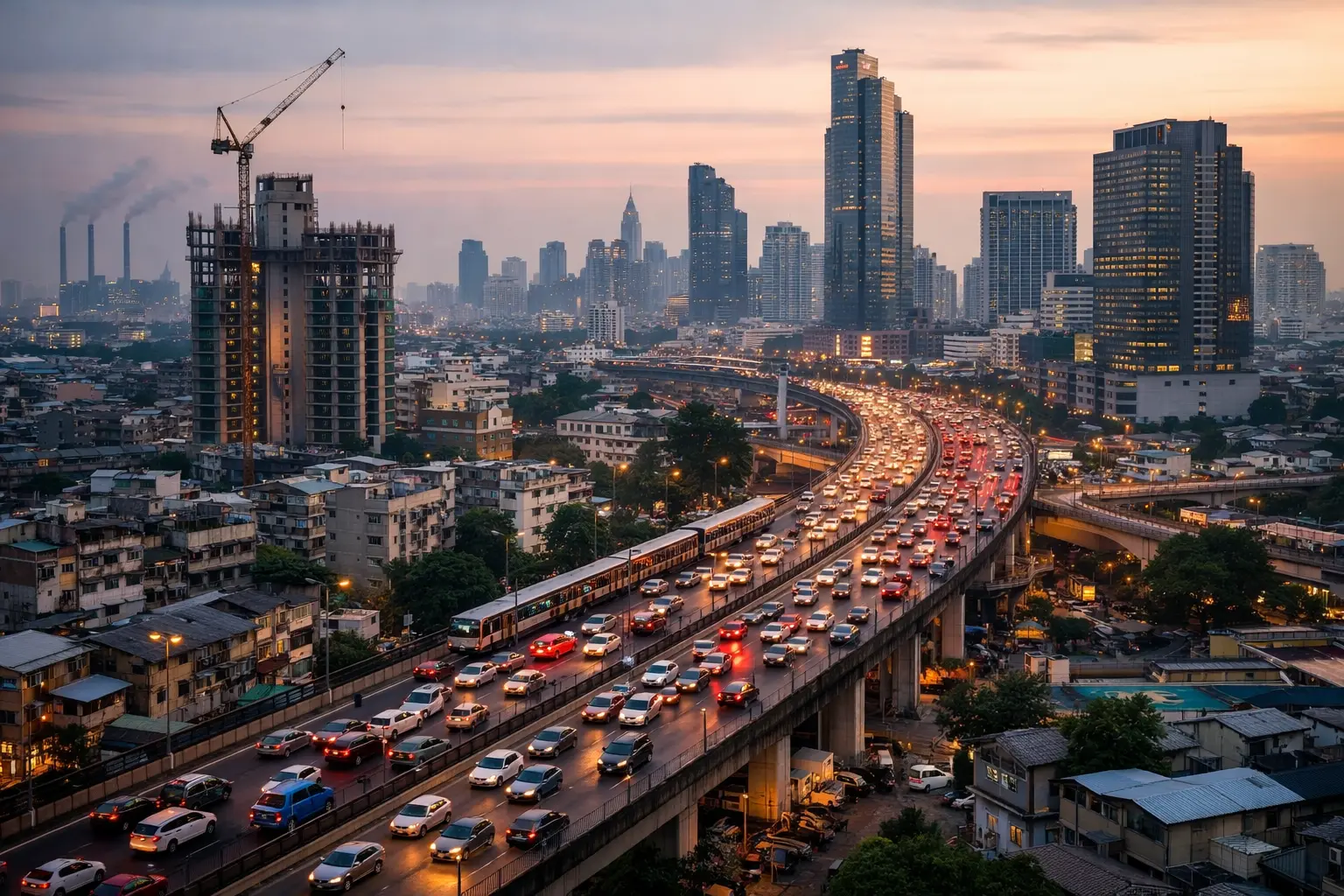
Rapid population growth is commonly associated with economic vitality.
But behind the numbers lie hidden structural costs that affect economies, societies, and the environment.
These challenges are complex and interconnected, with long-term implications.
Understanding them requires data-driven analysis from authoritative sources, such as the World Bank, the UN, the OECD, and the WHO.
Here Are The Hidden Costs of Rapid Population Growth
Economic Pressure
Rapid population growth increases demand for jobs, goods, and public spending.
Oversaturated labor markets can depress wages and widen income inequality.
According to World Bank labor market indicators, countries experiencing rapid growth often face fiscal strain as governments attempt to fund social services.Housing and Urban Challenges
Growing populations strain housing markets.
Urban areas face overcrowding, rising costs, and delayed infrastructure development.
OECD housing affordability data shows that cities with rapid growth often experience sharp spikes in rental and home prices.
When public transportation, utilities, and sanitation systems fail to keep pace, congestion and quality-of-life issues emerge.Education System Strain
More children mean higher demand for schools, teachers, and resources.
Class sizes increase, teacher-to-student ratios worsen, and access to quality education can decline.
UNESCO and World Bank education indicators highlight the link between population growth and the stress on educational resources.Healthcare and Public Services
Healthcare systems face higher demand for hospitals, clinics, and preventive programs.
Severe strain is jeopardizing vaccination coverage, routine care, and emergency response capacities.
WHO health system indicators confirm that countries with rapid population increases require proportional increases in healthcare spending to maintain service quality.Environmental and Resource Impacts
Population growth intensifies demand for food, water, and energy.
Deforestation, pollution, and waste generation rise.
Urban green spaces are shrinking, affecting the quality of life and environmental sustainability.
FAO and UN Environment Programme (UNEP) data show that resource depletion accelerates where population growth outpaces sustainable development.Social and Political Implications
Rising populations can exacerbate inequality and social tension.
Governments face challenges in planning, governance, and service delivery.
Migration pressures may increase within and between countries.
UNDP social cohesion indicators suggest that unmanaged growth can lead to social fragmentation.Long-Term Sustainability
Unchecked population growth can threaten economic stability, environmental health, and social cohesion.
Balanced policy interventions—such as investment in education, healthcare, and infrastructure—are essential to mitigate hidden costs.
Hidden Costs of Rapid Population Growth
| Area | Core Challenge | Long-Term Impact | Authority Source |
|---|---|---|---|
| Economy | Labor market strain | Slower wage growth, income inequality | World Bank |
| Housing | Affordability & overcrowding | Urban congestion, high cost of living | OECD |
| Education | Resource shortages | Reduced quality and access | UNESCO |
| Healthcare | Demand surge | Overloaded hospitals and clinics | WHO |
| Environment | Resource depletion | Sustainability risk | FAO / UNEP |
| Social | Inequality & tension | Social fragmentation | UNDP |
Frequently Asked Questions (FAQ)
Why does rapid population growth create economic strain?
Because more people require jobs, services, and infrastructure, which can outpace government capacity and resources.
Can governments prevent these hidden costs?
Yes, with targeted policies: urban planning, education expansion, healthcare investment, and sustainable resource management.
Are these challenges the same in developed and developing countries?
No. Developed countries face aging populations and infrastructure strain, while developing countries often grapple with rapid growth in youth populations.
How does population growth affect environmental sustainability?
Resource demand rises—food, water, energy—which can lead to pollution, habitat loss, and ecosystem degradation if unmanaged.
What strategies have worked globally to mitigate these costs?
Evidence shows that investment in education, healthcare, infrastructure, family planning, and sustainable urban design produces measurable outcomes.
- The 10 Biggest Problems in Israel
- The 10 Biggest Problems in Egypt Today
- How Aging Populations Are Changing the Global Economy