
Towns are often remembered for their architecture, landmarks, or beautiful surroundings.
Yet some have histories that are far more unusual than their appearance suggests.
Some developed around valuable mineral deposits and became centres of international trade. Others grew in remote landscapes, where residents created distinctive ways of living.
A few preserve difficult chapters of human history that continue to shape their identities today.
Their development and history have been shaped by the natural environments in which they emerged.
The natural world also holds remarkable landscapes shaped by unusual geological processes, as featured in our article about 10 Natural Wonders That Are Almost Too Strange to Believe.
Some communities have also developed distinctive ways of living in response to challenging climates and environmental conditions. See how this happens in 10 Places Around the World Where People Have Adapted to Extreme Weather.
Here are ten towns and historic settlements with unusual histories, each offering a different perspective on how communities have developed around the world.
1. Matera, Italy — The Town Where People Lived in Ancient Caves
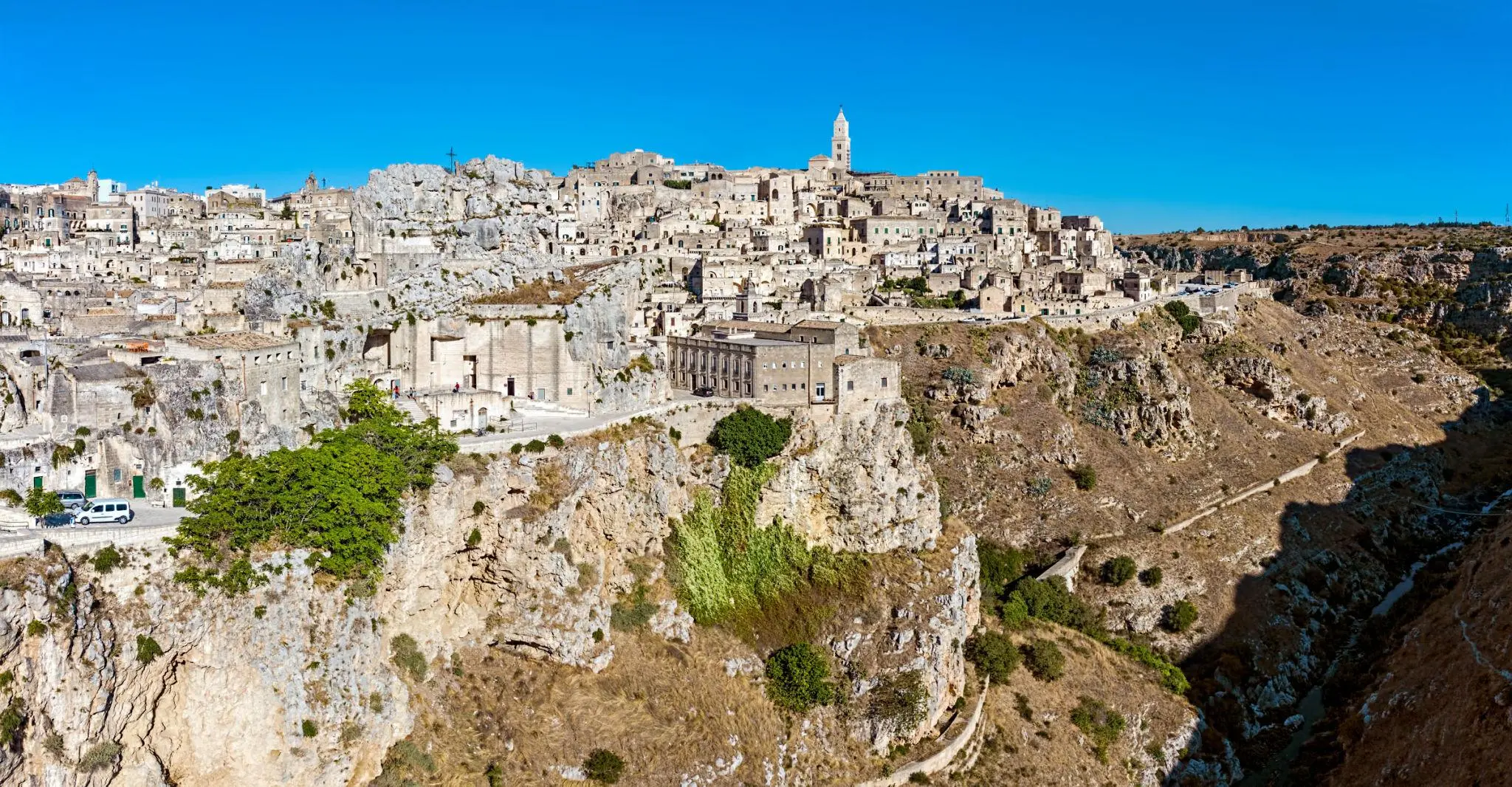
In southern Italy, Matera is famous for the Sassi, a remarkable network of homes, churches, and other buildings carved into limestone caves.
People have inhabited the area for thousands of years, gradually adapting its natural caves and rocky terrain to their needs. As the settlement grew, people transformed natural caves into living spaces and built homes that followed the contours of the rocky landscape. In some parts of the settlement, rooftops became pathways, courtyards, or foundations for neighboring dwellings.
However, Matera also has a difficult chapter in its history. By the 20th century, overcrowding, poverty, and poor sanitation had made living conditions in parts of the Sassi extremely difficult. In the 1950s, the Italian government launched a relocation programme that moved many residents into modern housing.
Restoration later revived parts of the historic districts, allowing some residents to return. Today, Matera is recognized for its extraordinary rock-cut settlement and long history of human occupation.
UNESCO inscribed the Sassi and the Park of the Rupestrian Churches of Matera on the World Heritage List in 1993.
2. Potosí, Bolivia — The Silver-Mining Town That Changed Global Trade
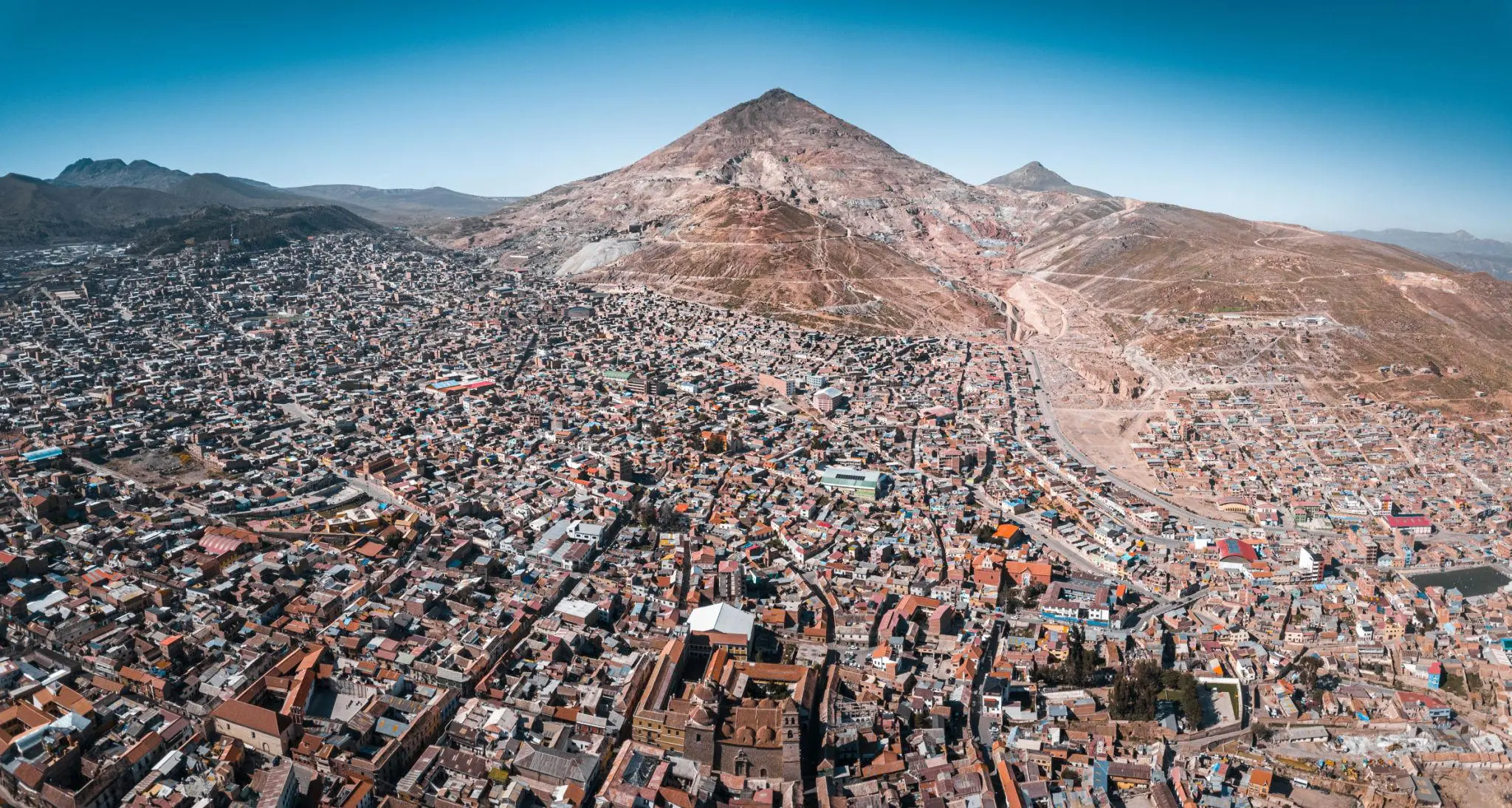
The discovery of enormous silver deposits in Cerro Rico transformed Potosí into one of the world’s leading mining centres in the 16th century.
The discovery turned a modest settlement into a major city under Spanish colonial rule. Silver extracted from the mountain helped finance the Spanish Empire and entered international trade networks, influencing economies far beyond South America.
At its height, Potosí became an enormous industrial centre. Its mining operations relied on hydraulic mills, reservoirs, aqueducts, and processing facilities. The growing city also built churches, colonial buildings, and a Royal Mint to turn silver into coins.
But this wealth came at a tremendous human cost. Indigenous people were subjected to the colonial mita system, which forced many to work in the mines under dangerous conditions. Mining wealth came with widespread exploitation and severe social inequality.
Mining activity declined over the years, but some operations remain active today. The historic city and Cerro Rico remain important reminders of the economic and human consequences of colonial resource extraction.
UNESCO inscribed the City of Potosí as a World Heritage Site in 1987. UNESCO later added the site to its List of World Heritage in Danger due to continued mining activity on the mountain.
3. Shibam, Yemen — The Ancient City Built Like a Vertical Metropolis
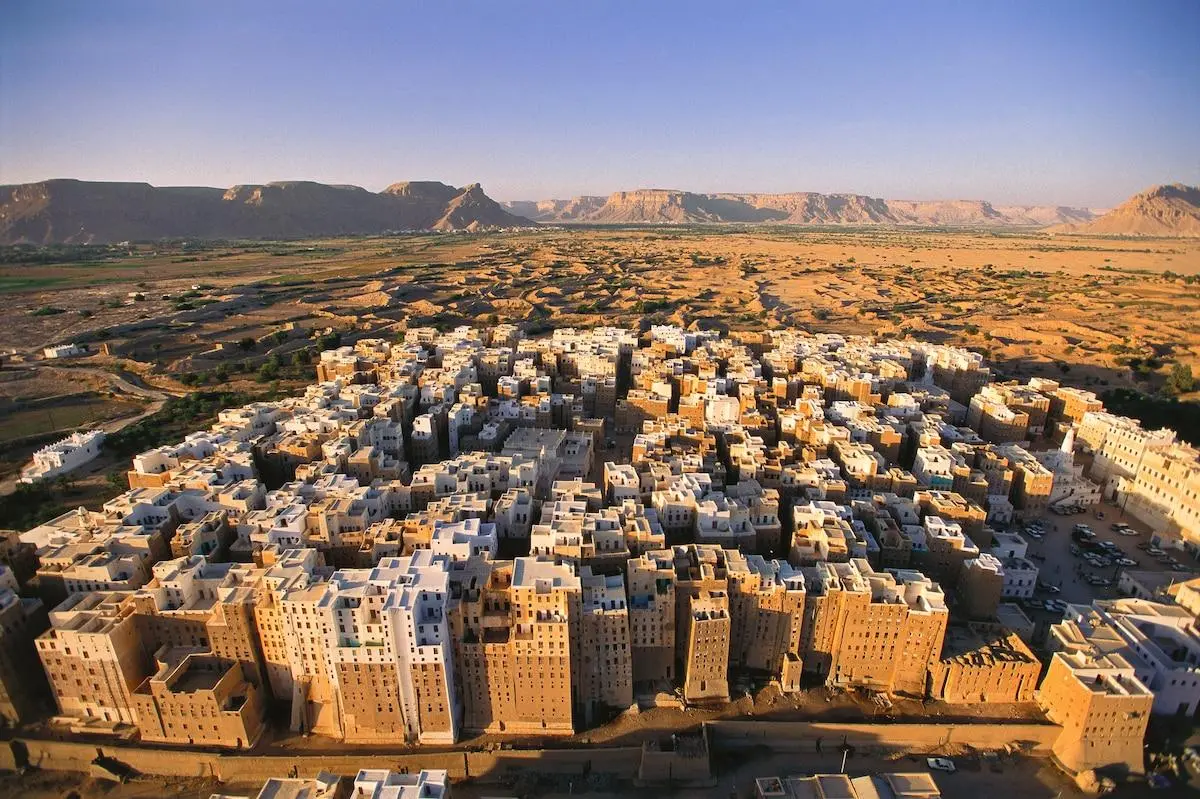
Shibam in Yemen looks surprisingly modern from a distance. Tall towers rise close together, creating a skyline that looks surprisingly modern despite the settlement’s centuries-old architecture.
Located in the Hadramaut Valley, the historic walled city is famous for its multi-storey mud-brick houses. Reaching up to seven floors, these centuries-old towers show how traditional communities built upward long before modern skyscrapers.
Shibam developed around important trade routes across the Arabian Peninsula. Its position along the spice and incense routes helped connect merchants and communities travelling through the region.
The tall buildings also reflected the need for protection. Their compact arrangement within fortified walls provided security in a region where rival families and competing political groups could threaten local communities.
The city was partly rebuilt after a major flood in 1532–1533 damaged an earlier settlement. Its surviving tower houses became a defining feature of the urban landscape.
UNESCO recognizes Shibam as an outstanding example of traditional urban planning and earthen architecture.
4. Vigan, Philippines — A Town Where Asian and European Traditions Meet
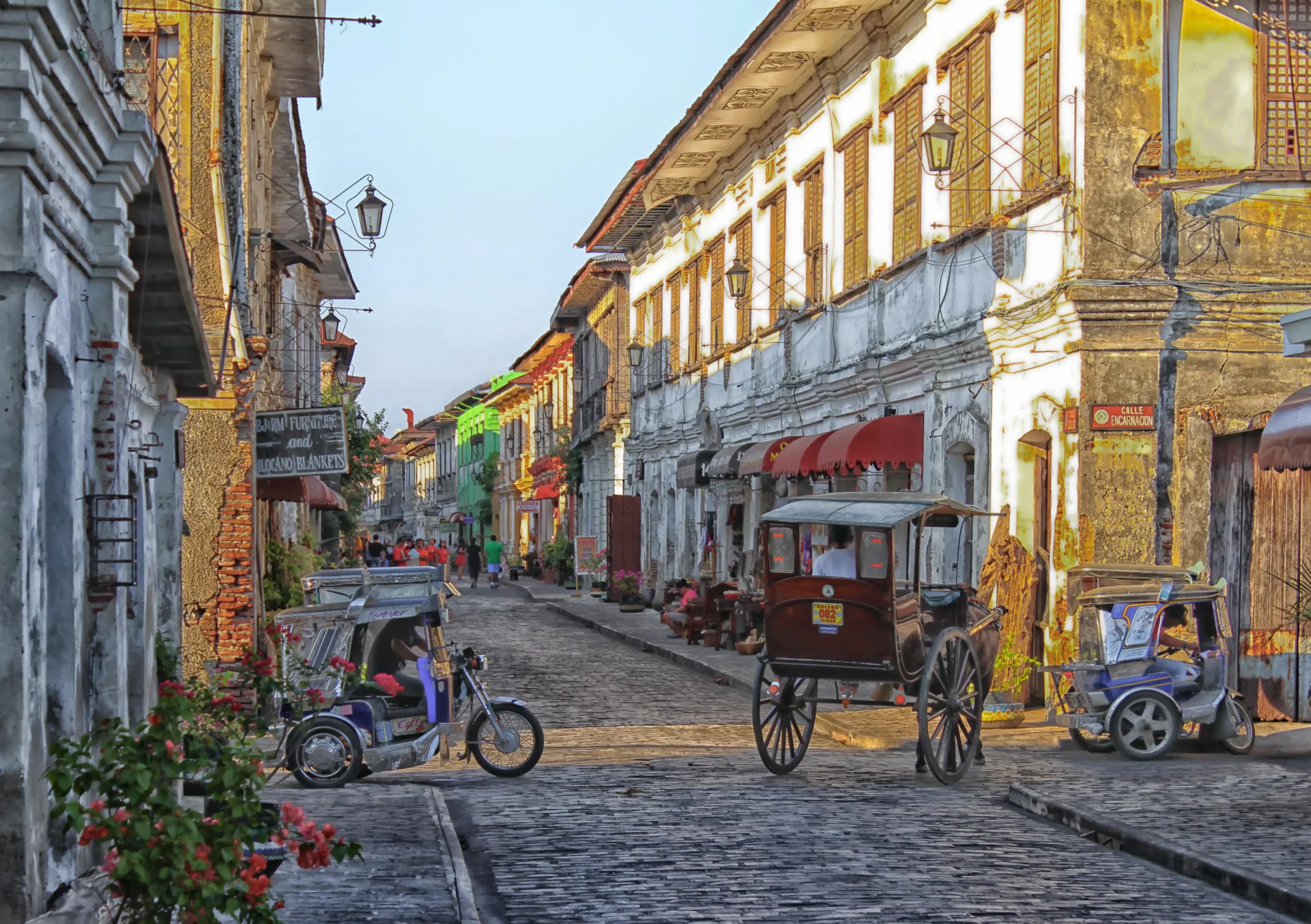
Vigan in Ilocos Sur shows visitors what life and architecture were like during the Spanish colonial period. Its historic centre preserves a distinctive townscape shaped by Filipino, Chinese, European, and Mexican influences.
Vigan had developed into a significant trading settlement before Spanish colonization. Its location near the coast and the Abra River made it a useful centre for commerce and contact with other communities.
During the Spanish colonial period, the town developed into an important administrative and trading centre. Its streets, houses, and public buildings reflected a combination of Asian construction traditions and European urban planning.
The best-known area is Calle Crisologo, where historic houses and cobblestone streets preserve much of the town’s distinctive appearance. Many ancestral houses feature thick masonry walls, wooden upper floors, and large windows designed for the local climate.
Vigan is more than a preserved colonial setting. Its streets and architecture tell a story of cultural influences that helped shape the Philippines and remain part of its identity.
In 1999, UNESCO inscribed the Historic City of Vigan on the World Heritage List for its remarkably preserved Spanish colonial architecture and urban layout.
5. Alberobello, Italy — The Town of Unusual Stone-Roofed Homes
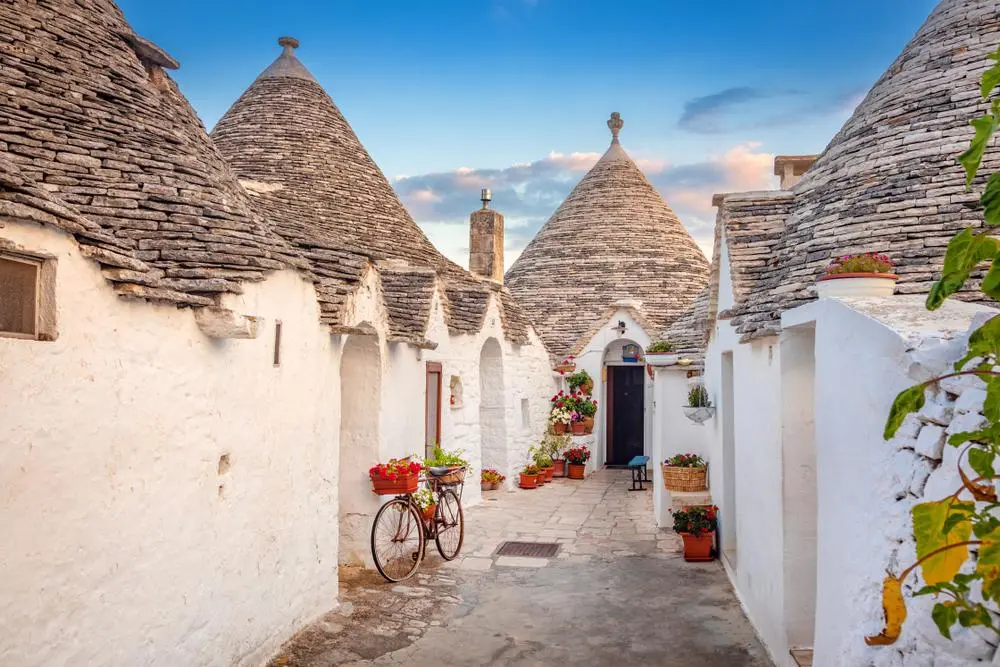
Alberobello in southern Italy is famous for its unusual houses called trulli. These small limestone buildings have thick walls and distinctive conical roofs, giving the town an appearance unlike most traditional European settlements.
Instead of relying on mortar or cement, builders used carefully fitted stones to create sturdy structures. Builders collected limestone from nearby fields and used it to create walls and layered roofs.
People used the buildings as homes, storage areas, and shelters for farming activities. The buildings also served practical needs, including collecting rainwater in underground storage tanks.
Alberobello’s settlement gradually expanded over several centuries. What began as a small settlement gradually grew in importance, earning royal town status from Ferdinand IV of Naples in 1797.
Today, more than a thousand trulli remain in the historic districts, making the town an exceptional example of traditional dry-stone architecture.
For more examples of remarkable architecture, read our article about 10 Buildings That Look Like They Belong in Another World.
6. Banská Štiavnica, Slovakia — The Mining Town That Became an Engineering Centre
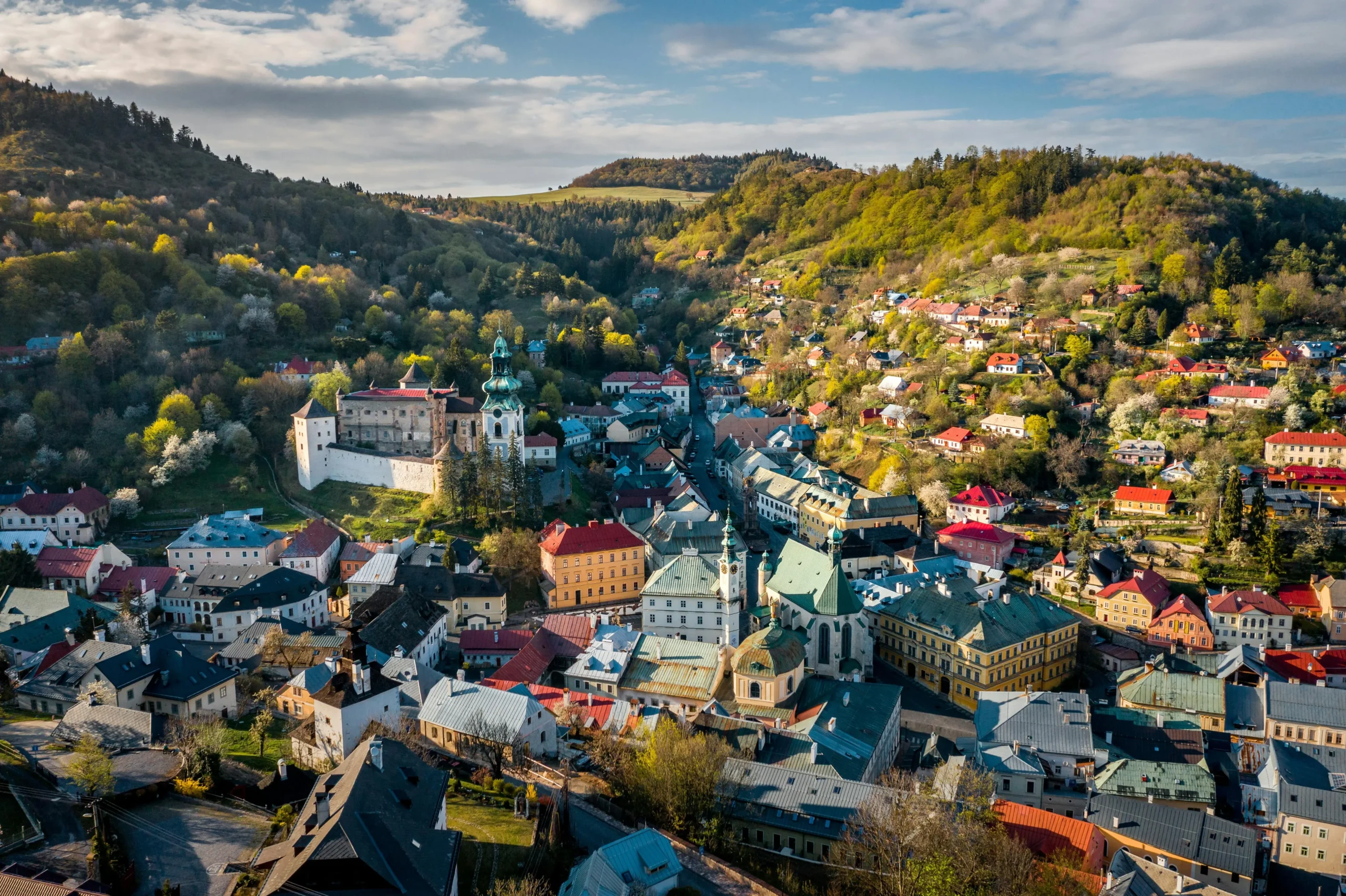
Banská Štiavnica developed around valuable mineral deposits in central Slovakia. Its history is closely connected to gold and silver mining, which brought wealth, skilled workers, and technical innovation to the region.
Mining activity in the area dates back many centuries, and the settlement grew into an important medieval mining centre. Its wealth helped finance churches, grand houses, fortifications, and other historic buildings.
One of its most impressive features was its well-developed water-management system. Artificial reservoirs, known locally as tajchy, and connecting channels supplied water needed to support mining operations.
The town also became an important centre for technical education. In 1762, the town became home to Europe’s first Mining and Forestry Academy, which trained specialists in mining and related disciplines.
As mineral resources became exhausted and mining activity declined, the town gradually changed. However, its historic centre and surrounding technical monuments still reveal how mining shaped its development.
UNESCO inscribed Banská Štiavnica and its technical monuments on the World Heritage List in 1993.
7. Gjirokastra, Albania — The Stone City Built Around a Medieval Fortress
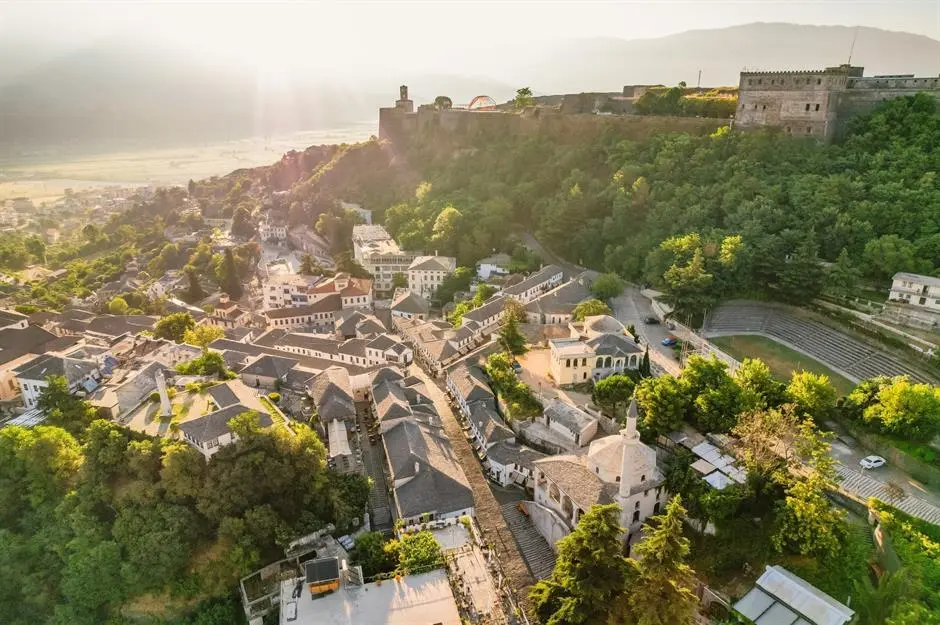
Gjirokastra in southern Albania is known for its stone-roofed houses, steep streets, and historic fortress overlooking the Drinos Valley.
Its medieval citadel shaped the town’s early development, while the Ottoman period gave its streets much of their distinctive architectural character. Wealthy landowners built large fortified houses with thick stone walls, defensive features, and carefully arranged interior spaces.
These buildings combined practical living spaces with defensive features, reflecting the need for security during uncertain times. Their distinctive tower-house forms became an important part of the town’s architectural identity.
Gjirokastra also reflects the cultural and religious influences that shaped the Balkans over centuries. Its historic centre includes a traditional bazaar, mosques, churches, and other buildings connected to different periods of its development.
Yet its history extends far beyond its architecture. It also experienced political changes, social transformations, and periods of conflict that influenced life in southern Albania.
UNESCO has inscribed the historic centres of Gjirokastra and Berat as outstanding examples of Ottoman-period urban and architectural heritage.
8. Lunenburg, Canada — The Colonial Town That Preserved Its Original Street Plan
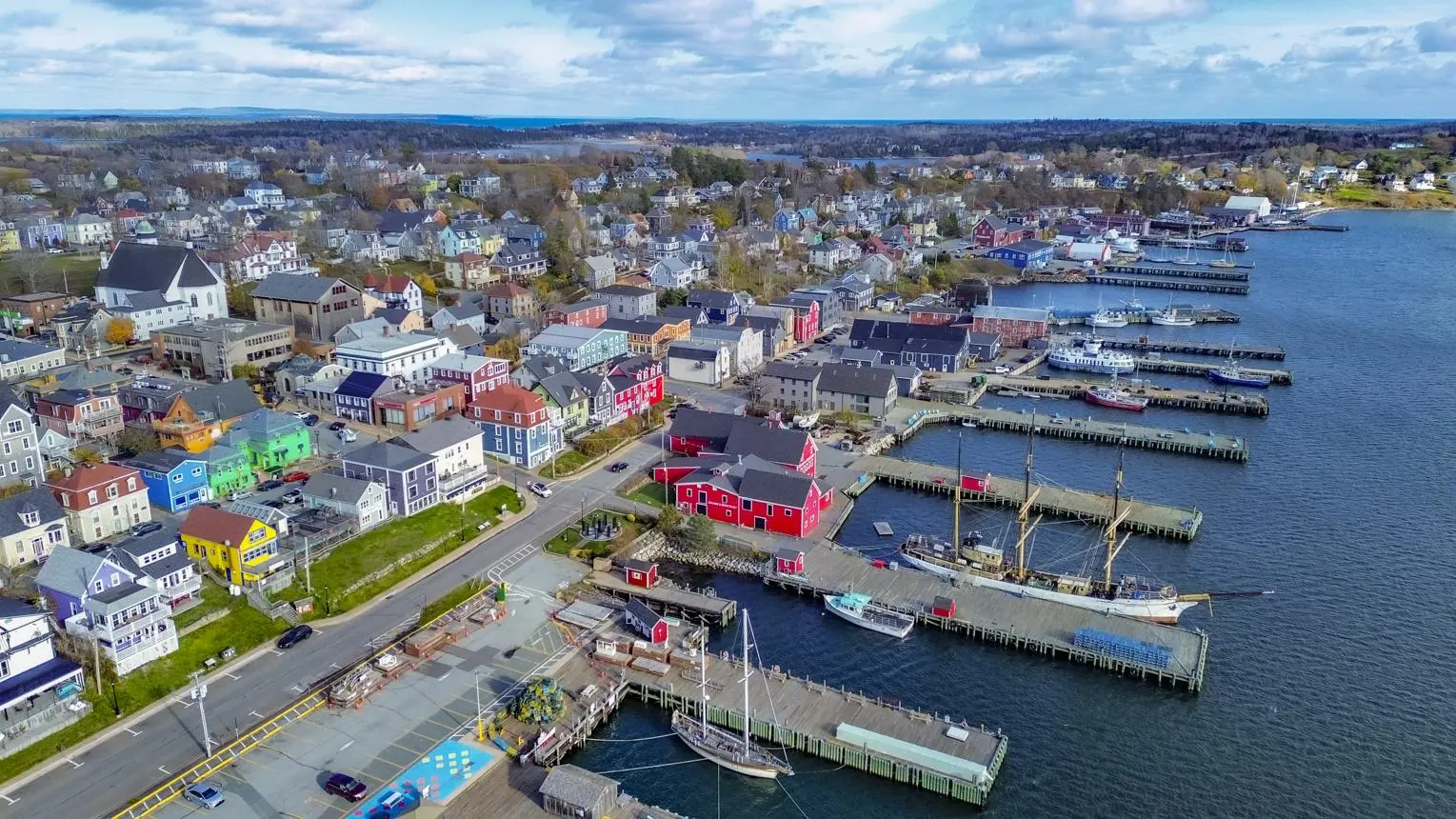
Lunenburg preserves the historic layout and architecture of an 18th-century British colonial town.
Founded in 1753, the town was laid out using a rectangular grid pattern designed in Britain. Its streets, public spaces, and wooden buildings have retained much of their original arrangement over the centuries.
The settlement was established as part of British colonial expansion in the region. Its early development involved the displacement of Indigenous communities and the arrival of European settlers, including German-speaking Protestants.
Fishing eventually became central to Lunenburg’s economy. The Atlantic fishery supported generations of residents and helped shape the town’s maritime culture.
Its historic waterfront and colourful wooden buildings reflect this long connection with the sea. Some structures date back to the 18th century, while later buildings continued the traditional architectural style.
UNESCO inscribed Old Town Lunenburg on the World Heritage List in 1995, recognizing its preserved colonial urban plan and historic wooden architecture.
9. Ouidah, Benin — A Town That Preserves the Memory of the Slave Trade
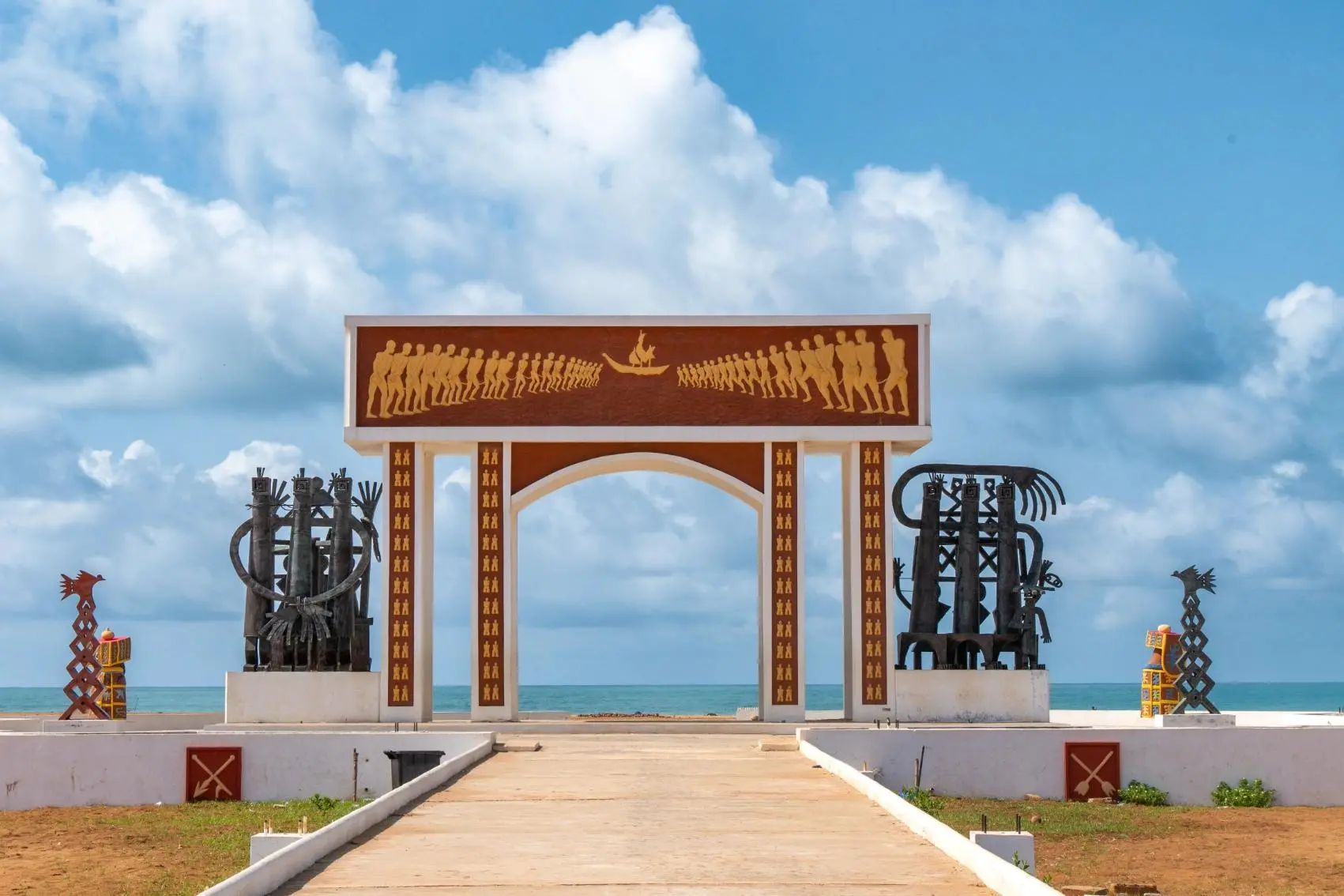
Ouidah in southern Benin holds an important place in the history of the transatlantic slave trade. During the 17th, 18th, and 19th centuries, it became one of the major coastal centres through which enslaved Africans were transported across the Atlantic.
The town’s history is closely connected to European trading forts, African political authorities, and commercial networks that supported the forced movement of people.
Today, one of its most important historical landmarks is the Route of the Enslaved, a memorial trail connecting the historic centre to the Atlantic coast.
The route includes sites associated with the capture, sale, confinement, and forced departure of enslaved people. The Gate of No Return stands as a solemn reminder of the people who were forced from their homeland and sent across the ocean.
The memorial route was developed as part of efforts to preserve the history of the slave trade and recognize the experiences of those who suffered under it.
Ouidah’s painful history offers an important reminder of the human cost of slavery and the need to preserve its memory.
10. Aït Ben Haddou, Morocco — The Fortified Settlement Along Ancient Trade Routes
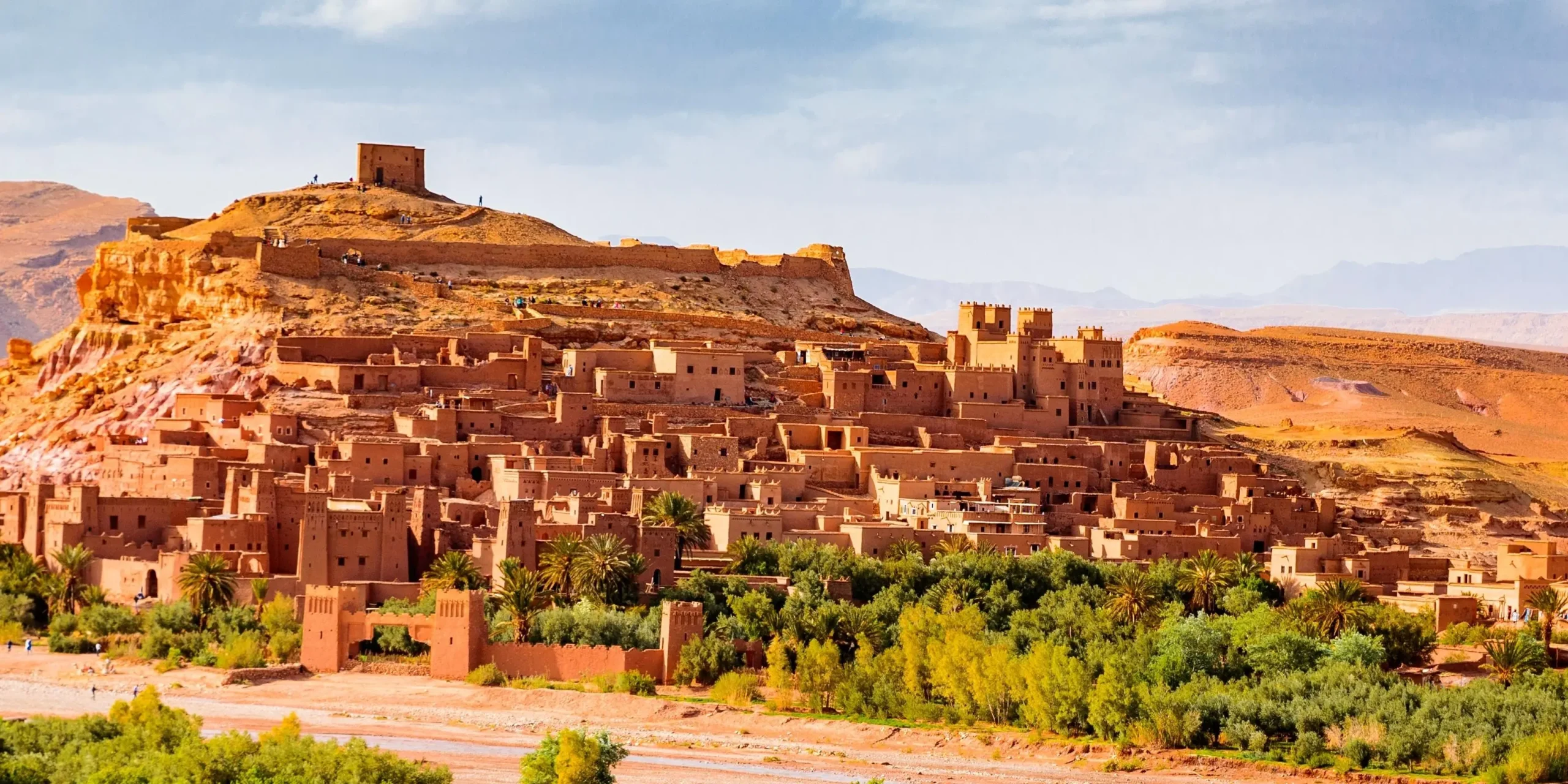
Aït Ben Haddou in southern Morocco is a historic fortified settlement built largely from earth and traditional building materials.
Known as a ksar, it consists of closely grouped homes and communal buildings enclosed within defensive walls. Its tall towers, narrow passageways, and compact arrangement reflect traditional settlement patterns in the pre-Saharan region.
The settlement stood along important trade routes connecting areas south of the Sahara to Marrakesh. Traders stopped there to rest, trade goods, and find shelter.
Its architecture reflects generations of adaptation to the dry climate and local environment. Builders used earth, clay bricks, and wood because these materials were readily available nearby.
Over time, changes in trade and transportation reduced the importance of older caravan routes. Many residents gradually moved to newer settlements across the river, although the historic ksar remains an important cultural landmark.
UNESCO inscribed the Ksar of Aït-Ben-Haddou on the World Heritage List in 1987, recognizing it as an exceptional example of traditional earthen architecture.
What These Towns Reveal About History
The histories of these towns show that communities develop in very different ways. Some grew around valuable resources, while others became important because of their locations along trade routes or their ability to adapt to difficult environments.
Their buildings and streets preserve evidence of the people who lived there, the industries that supported them, and the events that transformed their communities.
Some stories celebrate remarkable engineering and cultural exchange. Others reveal the consequences of colonialism, forced labour, and exploitation. Understanding both sides is essential to appreciating these places beyond their appearance.
Their stories also connect with the remarkable histories of islands around the world. Learn more about 10 Islands Around the World With Remarkable Stories for more examples of how geography and human history shape distinctive destinations.
These towns are not simply collections of old buildings. They are living records of human adaptation, ambition, conflict, and cultural change.
Frequently Asked Questions (FAQs)
A town’s unusual history often reflects the events, industries, cultures, and living conditions that shaped its development. Examples include settlements built around mining, ancient trade routes, cave dwellings, or unusual architectural traditions.
Archaeological evidence shows that people have inhabited Matera, Italy, for thousands of years. Its ancient cave dwellings illustrate one of Europe’s most enduring examples of human settlement.
Potosí rose to prominence as a major silver-mining centre after rich deposits were discovered in Cerro Rico during the 16th century. Its silver production influenced international trade and helped finance the Spanish Empire.
Shibam is famous for its centuries-old mud-brick towers, some rising seven storeys high. Shibam’s skyline resembles that of a modern city, yet its towering mud-brick buildings date back centuries.
Vigan preserves a distinctive combination of Filipino, Chinese, and European influences. Its historic streets and ancestral houses reflect centuries of cultural exchange during the Spanish colonial period and earlier trading connections.
Yes. Its traditional trulli houses are constructed mainly from limestone using dry-stone techniques, without mortar. Their distinctive conical roofs make the town one of Italy’s most recognizable historic settlements.
All ten featured places are associated with UNESCO World Heritage recognition, either individually or as part of a larger listed property. These include Matera, Potosí, Shibam, Vigan, Alberobello, Banská Štiavnica, Gjirokastra, Lunenburg, Ouidah, and Aït Ben Haddou. However, Ouidah’s relevant heritage sites and route should not be confused with a standalone UNESCO World Heritage inscription for the entire town.
Yes, many remain accessible to visitors and offer historic buildings, museums, cultural landmarks, and guided tours. However, travel conditions vary, particularly in places affected by conflict or security concerns, such as parts of Yemen.
Sources and References
The following sources provide historical, cultural, and heritage information about the towns and settlements featured in this article.
- Matera, Italy: UNESCO – The Sassi and ancient cave churches of Matera.
- Potosí, Bolivia: UNESCO – City of Potosí
- Shibam, Yemen: UNESCO – Old Walled City of Shibam
- Vigan, Philippines: UNESCO – Historic City of Vigan
- Alberobello, Italy: UNESCO – The Trulli of Alberobello
- Banská Štiavnica, Slovakia: UNESCO – Historic Town of Banská Štiavnica and the Technical Monuments in its Vicinity
- Gjirokastra, Albania: UNESCO – Historic Centres of Berat and Gjirokastra
- Lunenburg, Canada: UNESCO – Old Town Lunenburg
- Ouidah, Benin: UNESCO World Heritage Centre – Consult relevant heritage documentation alongside authoritative historical sources on the Route of the Enslaved and the transatlantic slave trade.
- Aït Ben Haddou, Morocco: UNESCO – Ksar of Aït-Ben-Haddou